AMOLATAR – Cultural and political leaders in Amolatar district have been called upon to set aside divisions and personal interests, and instead embrace reconciliation as a prerequisite for the district’s long-awaited development.
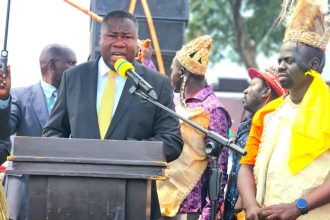
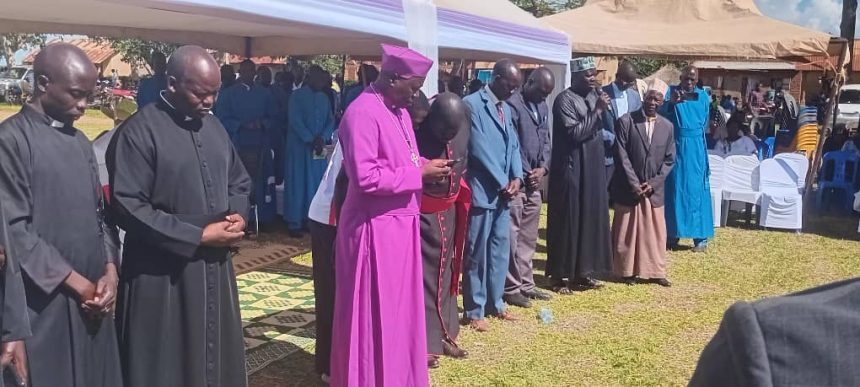
The clarion call was made on Tuesday during a prayer breakfast held at Amolatar Boma Ground, where the Kumam cultural leader, His Royal Highness Papa Rafael Otaya, appeared as chief guest.
“Follow the Law, Not Tribalism”
In his address, WonAteker Papa Rafeal Otaya praised President Yoweri Kaguta Museveni for restoring cultural leadership in Uganda, saying: “If it was not for a good leader, there would not be cultural leadership in Uganda.”
He also commended the Lango and Kumam communities in Amolatar for living together in love, unity, and coexistence, noting that they are following the laws of the land.

Citing Uganda’s national objectives, Otaya warned leaders who engage in divisive politics: “If you are a leader who likes dividing people, you are breaking the law of Uganda.” He further referenced Section 20 of the country’s legal framework, which cautions against segregation based on tribe or colour.
“A good leader is identified by the peace and fruits he or she bears,” Otaya said, appealing to newly elected leaders in Amolatar and beyond to stop confrontational politics and focus on service delivery.

He reminded them that after five years, voters will judge leaders based on their work and the “food given to the people.”
Forgiveness Before God
Otaya also urged the people of Amolatar to forgive one another, quoting scripture: “If you do not forgive your brother down here, even the Lord will not forgive you.”
He specifically requested elected leaders, including the Member of Parliament, to convene a reconciliation meeting as a public demonstration that they have truly forgiven each other and are ready to work together.
Bishop Olwa: God Answers Prayer
The Bishop of Lango Diocese, Rt. Rev. Professor Alfred Olwa, who officiated the prayer breakfast, also called on district leaders to forgive one another and unite for peace and development.
Bishop Olwa encouraged the congregation, saying that God always listens to people’s prayers and answers them — though not always as quickly as people expect. He expressed belief that the prayer breakfast would usher in peace across the district.
Museveni’s Message: Poverty and Corruption Are the Real Enemies
Delivering a message from President Museveni, Lt. Col. (Rtd) Ambako Kibrai — Senior Presidential Advisor on Mobilization — told the gathering that the President attributes the district’s conflicts and confusion to poverty.
“All people should get involved in the implementation of government programs and embrace poverty alleviation programs to transform their lives,” Ambako quoted the President.
Museveni also called on all Ugandans to join hands in fighting corruption, which he described as “too much in Uganda.” He urged citizens to identify corruption by actively participating in government programs.
The President further cautioned against opposing government initiatives, advising communities to embrace them instead, and reminded Ugandans to protect the environment by avoiding settlement in wetlands.
Ambako Blames Leaders for Stagnation
In strong remarks, Ambako blamed Amolatar’s leaders for the district’s lack of development, citing “long-standing politicking, self-interest, and divisive politics.”
He warned that no outsiders would solve the district’s problems, adding: “Amolatar residents must settle their conflicts among themselves without including outsiders.”
Ambako also criticised leaders who blindfold voters with empty promises and engage in politics of propaganda and lies, urging them to tell the people the truth and to respect their leaders.
Geoffrey Ocen Kirring, the LC5 Chairperson of Amolatar district, who also serves as MP-elect for Kioga North constituency, echoed the calls for forgiveness, saying it is “paramount to development.” He specifically asked leaders to forgive one another.
The prayer breakfast was organised by district leaders after realising that Amolatar — despite having abundant natural resources — is lagging behind in development due to disunity among its leaders.
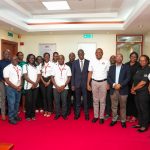
The event brought together all major denominations, including the Church of Uganda, Roman Catholic Church, Islamic faith, and the National Fellowship of Born-Again Christians.
However, turnout was notably low, with only a handful of key dignitaries and leaders in attendance.
Cultural, political, and religious leaders present reaffirmed their commitment to peace, but observers note that concrete action will be needed to translate Tuesday’s prayers into lasting unity.