South Sudan, a country in need of electricity to support its trade and industrialization, has made a formal request to Uganda for the supply of at least 100 megawatts (MW) of electricity.
The request was made during a recent meeting where Uganda’s State Minister for Energy, Okasaai Opolot, directed the Uganda Electricity Transmission Company Ltd (UETCL) to explore the possibility of fulfilling this request. South Sudan’s significant energy deficit has prompted this urgent appeal to Uganda.
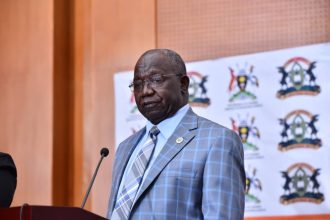
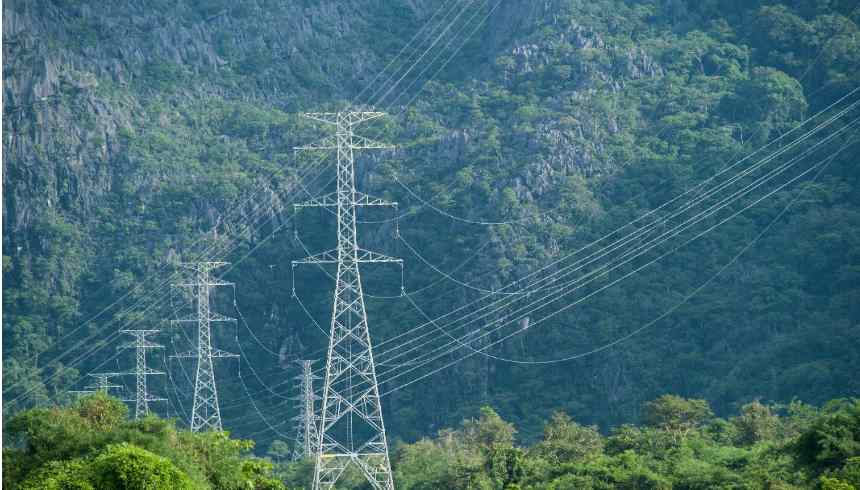
Opolot conveyed the request while speaking at the commissioning of the 83MW Agago-Gulu transmission line and associated substations in Angagura Town Council, Pader District. He highlighted the necessity of constructing a transmission line from Olwiyo in Nwoya District to Juba, the capital of South Sudan, emphasizing its importance as a priority project to address the energy needs of South Sudanese citizens.
During his address, Opolot underscored the importance of responding promptly to South Sudan’s request, stating that it represents a substantial market for Uganda’s surplus electricity. He emphasized the need to expedite measures to bridge the energy gap in South Sudan, recognizing Uganda’s pivotal role in achieving this objective.
Opolot outlined Uganda’s vision not only to enhance domestic transmission infrastructure but also to participate in the Power Pool Market, facilitating the trade of excess electricity generated within the region. Uganda’s current generation capacity exceeds 2,000MW, marking significant progress from 380MW in 2005. Various transmission projects are underway to ensure the reliable distribution of power across the country, with completion anticipated between 2024 and 2026.

Furthermore, Opolot encouraged local leaders to promote domestic consumption by establishing enterprises that can leverage the available electricity. He highlighted government initiatives such as free electricity connections aimed at enhancing accessibility to power for households, industries, mines, and institutions. Financial support from organizations like the World Bank is facilitating these efforts, with substantial funds allocated for free connections over the next five years.
Recent developments indicate support from international partners, with Uganda receiving a grant from the European Union for mini-grid projects in targeted areas. These initiatives align with Uganda’s commitment to expanding access to electricity while embracing sustainable practices.

Joshua Karamagi, the CEO of UETCL, emphasized the significance of completing and commissioning transmission projects to meet the country’s growing energy demands. The recently commissioned Gulu-Agago transmission line and associated substations represent a critical step in this direction, facilitating the evacuation of power from the Achwa Hydro Power Plant and extending electricity to regions like West Nile through strategic transmission corridors.
The completion of the Achwa-Gulu-Agago transmission line project, achieved within 18 months, signifies progress towards enhancing Uganda’s energy infrastructure. This milestone reflects the country’s commitment to meeting energy demands while embracing environmentally conscious practices.