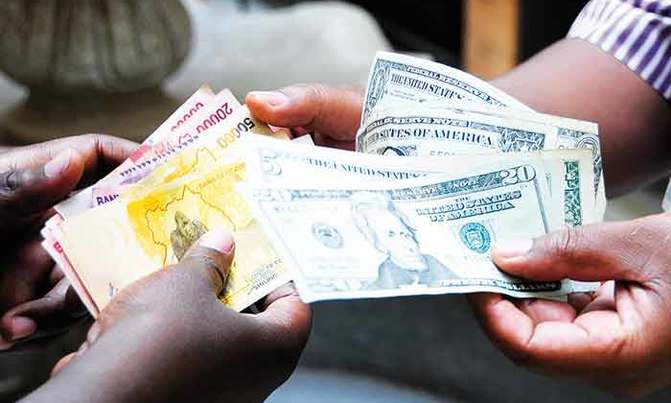
Inflation is one of the most direct and serious repercussions of a weak currency. As a currency depreciates, the cost of imported products and services rises, resulting in increased consumer costs. A weak currency can also go beyond affecting international trade, as it can also undermine internal production, resulting in increased prices for home made goods.
A weak currency and by extension, inflation, reduces regular residents’ purchasing power, making it more difficult for them to get the essentials such as food, gasoline, and medication.
For nations already dealing with poverty and inequality, this can intensify existing social tensions and cause widespread misery.
Furthermore, nations with weak currencies may struggle to recruit qualified workers and technological knowledge from overseas, restricting their potential to innovate and prosper.
With that said, here are the weakest currencies in Africa for August, using Forbes Currency Converter.
Top 10 African countries with the weakest currencies in August 2024
| Rank | Country | Currency per $ | Currency |
|---|---|---|---|
| 1. | São Tomé & Príncipe | 22,281.8 | Dobra (STD) |
| 2. | Sierra Leone | 20,969.5 | Leone (SSL) |
| 3. | Guinea | 8,630 | Guinean Franc (GNF) |
| 4. | Madagascar | 4,600 | Malagasy Ariary (MGA) |
| 5. | Uganda | 3,725.10 | Ugandan Shilling (UGX) |
| 6. | Burundi | 2,878 | Burundian Franc (BIF) |
| 7. | Democratic Republic of Congo | 2,871 | Congolese Franc (CDF) |
| 8. | Tanzania | 2,699.92 | Tanzanian Shilling (TZS) |
| 9. | Malawi | 1,734.5 | Kwacha (MWK) |
| 10. | Nigeria | 1,590 | Naira (NGN) |

© The Ankole Times. All rights reserved.
No part of this publication or its digital content may be reproduced,
distributed, published, broadcast, rewritten, or redistributed in whole
or in part without prior written permission from The Ankole Times.

For inquiries, contact: [email protected]
Stay informed and ahead of the curve! Follow The Ankole Times on WhatsApp for real-time updates, breaking news, and exclusive content.
Join The Ankole Times WhatsApp News Channel