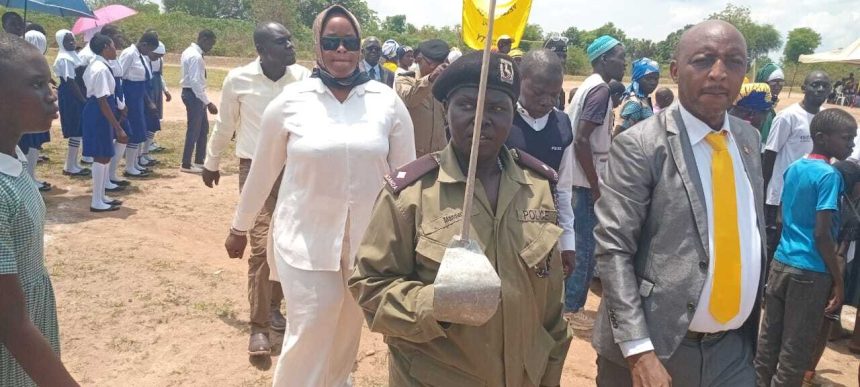
Obongi, Uganda — Authorities in Obongi District have established a Special Defilement Desk aimed at combating the rising cases of child defilement and gender-based violence (GBV) in the district.
The initiative was launched by the District Security Committee under the leadership of Resident District Commissioner (RDC) Samuel Mpimbaza Hashaka. The move is intended to fast-track investigations, ensure justice for victims, and eliminate the culture of impunity that has often surrounded such cases.
The newly created desk will be chaired by RDC Hashaka together with the two Assistant RDCs and the district’s Gender Department focal person. Its role will include monitoring investigations, ensuring proper documentation of cases, and sensitizing communities about the dangers of settling defilement cases informally.
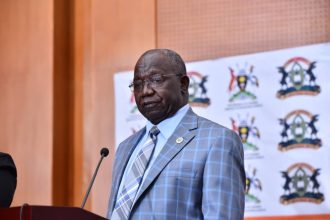
Speaking during a district security meeting in Obongi Town, Hashaka said the special desk was necessary to address long-standing concerns from residents about the mishandling of defilement cases.
“Too many children have suffered in silence because perpetrators manipulate the system using police bonds and court bail,” Hashaka said. “This is a deliberate move to ensure that anyone accused of defiling a child remains in custody until their case is properly heard.”

As part of the new measures, the security committee announced a ban on police bond for suspects accused of defilement. According to the RDC, previous cases were often compromised when suspects secured bond and later fled or interfered with investigations.
The committee also barred Local Council (LC) leaders from mediating defilement cases, noting that such practices have in the past led to secret settlements that deny victims justice.

“Defilement is a criminal offense, not a civil matter for LCs to resolve,” Hashaka emphasized. “We are reclaiming the justice process and ensuring it follows the legal path through the police and courts.”
The RDC further warned individuals who attempt to shield suspects from prosecution, including relatives who accept bribes to withdraw complaints.
“We will not hesitate to arrest anyone who helps a suspect evade justice, including family members who take bribes to remain silent,” he warned.
Residents across the district have welcomed the initiative, describing it as a long-overdue step toward protecting children and strengthening accountability.
Mary Atim, a mother of three from Moyo Sub-county, said many families had previously feared reporting cases because influential individuals often escaped punishment.
“Many of us have been afraid to report because we see powerful people walking free after paying a few thousand shillings to an LC,” she said. “Now we have hope. The RDC is standing with the voiceless.”
Another resident, Juma Anara, said the desk could help poor families who struggle to follow cases through the legal system.
“Most families cannot afford the costs involved in pursuing justice. If this desk ensures cases are handled properly and free of charge, it will be a big change for our community,” he said.
In addition to handling cases, the Special Defilement Desk will conduct community awareness campaigns through local radio stations and public gatherings. The campaigns will encourage reporting of abuse and educate communities about the legal and psychological consequences of defilement.
Officials say the desk will also work closely with schools, health centers, and religious institutions to strengthen child protection systems in the district.
With growing community support, leaders in Obongi believe the initiative will help break the culture of silence surrounding sexual abuse and ensure stronger protection for children.