Traditional and cultural institutions are a creation of Ugandan customs, cultures, and laws. Without acknowledgment by Ugandan laws, they would be null and void for lack of recognition. Within cultural institutions, customs and cultural practices are prevalent in daily life. These customs must adhere to certain features, including peaceful enjoyment and alignment with public policy. For instance, customs must not contradict public policy, and consistency in their practice is crucial.
Leadership within cultural institutions entails influencing the behaviors of subordinates to achieve organizational goals. Cultural leaders must command respect and followership from their subjects. Effective leadership requires formal and informal authority, which is perceived differently by individuals. Leadership qualities such as good judgment, communication skills, motivation, intelligence, and emotional stability are essential for cultural leaders.
A cultural leader’s educational background plays a significant role in their effectiveness. Well-educated leaders are better equipped to understand modern challenges and technologies. Moreover, a cultural leader should possess multilingual skills to effectively communicate with diverse communities.
Visionary leadership is paramount for cultural leaders to guide their people towards progress and development. Leaders without a vision burden their subjects and may resort to unproductive activities like begging for resources. Other important qualities for cultural leaders include wisdom, empathy, sociability, and sound judgment.
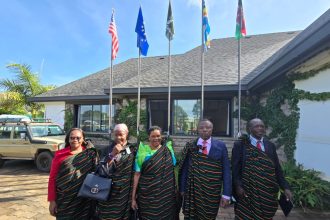
Cultural institutions are responsible for preserving native customs and traditions amidst modern influences. While cultural leaders must embrace modernity, they should maintain a connection with antiquity to uphold traditional values. Regalia and attire worn by cultural leaders symbolize their roles and traditions, serving as a reminder of their heritage.

Modern cultural leaders must also possess managerial skills to effectively oversee their institutions. This includes delegation, evaluation, consultation, and adherence to legal provisions. Cultural leaders are bound by the laws of the land and are prohibited from engaging in criminal activities such as murder, defilement, or rape. The role of cultural leaders is clearly defined in the Ugandan constitution and the Cultural Leaders Act of 2011.
In summary, cultural leaders play a crucial role in preserving and promoting Ugandan customs and traditions. They must possess a diverse set of skills, including leadership, communication, education, and managerial abilities, to effectively manage their chiefdoms and lead their communities towards progress.

(The writer is a researcher from Mbale and also the spokesperson for Inzuyamasaba. Contact: 0782231577.)