Harare / Addis Ababa / Kampala — Eastern and Southern Africa have taken a major step toward deeper regional electricity market integration following the signing of a landmark Memorandum of Understanding (MoU) between the Independent Regulatory Board (IRB) of the Eastern Africa Power Pool (EAPP) and the Southern African Power Pool (SAPP).
Signed on February 20, 2026, in Harare, the agreement formalizes institutional cooperation between the two regional power bodies and lays the foundation for expanded cross-border electricity trade between Eastern and Southern Africa.
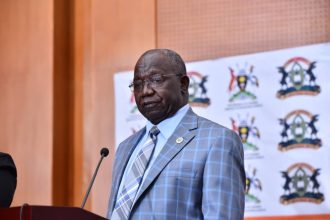
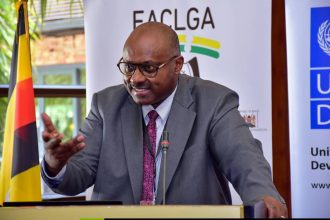
The MoU was signed by Eng. Ziria Tibalwa Waako, Acting Director General of the IRB, and Eng. Stephen Dihwa, Executive Director of SAPP. It establishes a structured framework for collaboration in regulatory harmonization, market monitoring, infrastructure coordination, and joint oversight of regional electricity trading.
The partnership is expected to accelerate efforts to deliver more reliable, affordable, and accessible electricity across both regions. By aligning regulatory standards and market rules, the two power pools aim to reduce trade barriers, enhance system stability, and strengthen investor confidence in regional energy markets.
Cross-border power trade is increasingly viewed as critical to addressing Africa’s energy deficit. Regional integration enables countries with surplus generation capacity to export electricity to deficit markets, optimizing infrastructure investments while improving energy security. Officials say the agreement signals a shared commitment to unlocking economic benefits such as reduced generation costs, improved grid resilience, and greater integration of renewable energy sources.

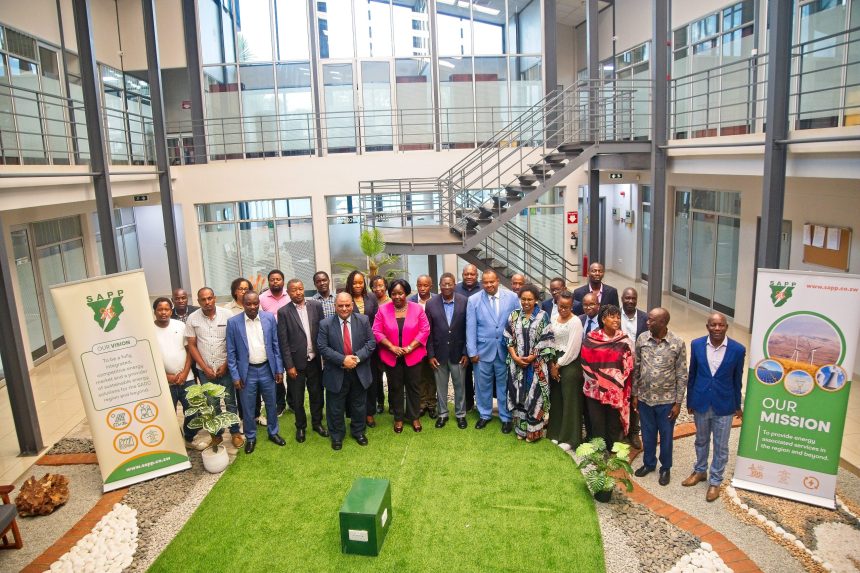
The signing ceremony followed a week-long study tour by the IRB delegation to SAPP, held from February 16–20, 2026, in Harare. The engagement focused on peer learning and benchmarking as part of a broader initiative to develop harmonized guidelines for regulating cross-border power trade, strengthening market monitoring procedures, establishing access rules, and designing a sanctions framework.
The mission, supported by GET.Transform, brought together 25 delegates, including Dr. John Watua representing the IRB Chairperson, Eng. James Wahogo, Secretary General of the EAPP, as well as development partners such as the African Union Commission and the African Development Bank.

Established in 1995 at a Southern African Development Community (SADC) Summit, SAPP is widely regarded as one of Africa’s most advanced regional electricity markets. It comprises 12 member countries, nine of which are currently interconnected, with full interconnection anticipated in the near future.
The interconnected SAPP region has an installed capacity of approximately 80 gigawatts (GW), with operating capacity of about 48 GW against a reported peak demand of roughly 50 GW. Serving nearly 390 million people, the region records an average electricity access rate of about 50 percent.
The IRB serves as the regulatory and oversight arm of the EAPP, which was established in 2005 and is headquartered in Addis Ababa. The EAPP promotes regional cooperation through interconnected transmission infrastructure and the facilitation of cross-border electricity trade among its 13 member states.
Energy analysts note that regulatory alignment between the two power pools could prove pivotal as Africa accelerates efforts toward continental power market integration under the African Union’s Agenda 2063 framework.
The IRB–SAPP partnership underscores a shared ambition to advance integrated African power markets, strengthen energy security, and accelerate progress toward universal electricity access. As regional grids become more interconnected and regulatory frameworks more harmonized, Eastern and Southern Africa are positioning themselves at the forefront of Africa’s evolving energy transition.