MBALE, Uganda — The Bugisu region, particularly Mbale City, is a cosmopolitan area with several major languages spoken openly in offices, shops, factories, and on the streets.
Notable languages spoken here, perhaps contributing to our profile as a diverse city, include Lumasaba, Shana, Arabic, Alur, Lusoga, street lingua (jargon), Kiswahili, Lingala, English, Spanish, Lugwere, Ateso, Nkaramojong, Kukusabany, Lusamia, Lubukusu, Luganda, Runyakitara, Chinese, French, Kinyarwanda, Kirundi, and Dinka, among others. Some of these languages are even taught in rural schools across Bugisu.
Language is one of the many aspects that define one’s culture and identity. It is considered one of the major tools for communication and information sharing.
In Mbale City, many dwellers and inhabitants have used either Chinese, English, or Hindi in one way or another. I know of people from other regions of the world who hardly speak more than their mother tongue languages.
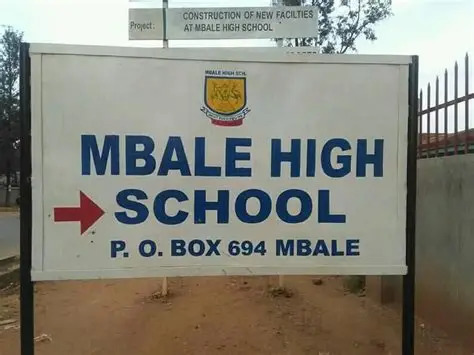
As the Bugisu Cultural Institution, we are promoting the learning and teaching of Lumasaba in all schools across the Bugisu region. Notable schools currently teaching Lumasaba as a subject include Mbale High School, Mbale Secondary School (Mbale SSS), Mulatsi Secondary School, Busiu Secondary School, and Bukonde Secondary School, among others.

The learning of Lumasaba in schools should be compulsory, and we shall work closely with the Ministry of Education and other stakeholders, such as the Uganda Law Reform Commission, to ensure this is achieved.
Mastery of one’s language fosters confidence and preserves cultural heritage, and above all, it leads to quicker mastery of other foreign languages.

In major European universities, it is almost a requirement for academicians such as professors to demonstrate mastery of a second language in addition to the official language.
Studying one’s language enhances cognitive development and improves academic performance, according to available cultural and academic studies.
Those studying Lumasaba or another local language often excel at A-Level. Such students are assured of successfully completing the A-Level curriculum and, when they join university, are better positioned to access employment opportunities more quickly after completing their studies.
The Bugisu Cultural Institution will work closely with all stakeholders—parents, school administrators, students, pupils, and Ministry of Education officials—to ensure that Lumasaba is rolled out in all schools in Bugisu.
Major challenges, such as the lack of Lumasaba teachers on the government payroll, will be raised to the highest levels of government by the cultural institution for attention.
I have noted with appreciation how schools are promoting the learning of the Lumasaba language across the Bugisu region by reciting the Lumasaba anthem during assemblies. City schools are particularly commendable in this regard. Among those I can credit for excellence in reciting the Lumasaba anthem are Hamdan High School and Nakaloke Secondary School at the secondary level, and North Road Primary School and Misoto Primary School at the primary level.
Let us collectively promote and defend our culture through learning. Without language, as a community we risk losing our identity in an instant. No one should feel shy about communicating in their own language. We should reject colonial and mental slavery.
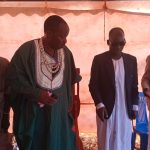
As a cultural institution, for example, our communication during meetings is conducted in Lumasaba.
Steven Masiga is the Cultural Spokesperson for the Bugisu Cultural Institution.
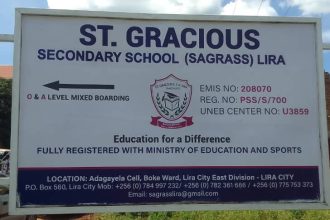
Below are signposts of Mbale High School and Mbale Secondary School (Mbale SSS), some of the notable schools teaching the Lumasaba language in Mbale City.