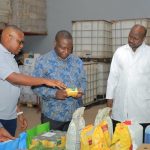
The Atomic Energy Council in Uganda has raised concerns about increasing exposure of Ugandans to toxic artificial radiation, attributing it to gaps in the country’s education systems and a lack of professionals to operate radiation-emitting systems. Ms. Lynn Ninsiima, a senior radiation protection officer at the Council, highlighted the lack of knowledge among operators of facilities emitting radiation and emphasized the failure of the formal education system to adequately address radiation protection, safety, and nuclear security.
According to Ms. Ninsiima, the education system, from primary to university levels, lacks comprehensive coverage of radiation protection, safety, and nuclear energy. She noted that while institutes offer courses in medical radiography and biomedical engineering, these programs need additional components to help professionals understand nuclear energy and radiation safety better.
The Council, responsible for monitoring and enforcing radiation safety, is working with the National Council for Higher Education (NCHE) to revise protocols and integrate key components of radiation safety into existing courses. A memorandum of understanding has been signed with a few universities, and efforts are underway to encourage others to include radiation safety in their curricula.
Uganda currently has 554 health facilities with active radiation sources, 729 radiation generators, and 224 radioactive sources. The Council has conducted inspections, issued authorizations, and implemented enforcement actions, including closures and suspensions, to address non-compliance and ensure facilities meet minimum quality requirements for radiation-emitting equipment.
The government is developing a national policy for the management of naturally occurring radioactive elements in collaboration with the International Atomic Energy Agency. The risks associated with exposure to artificial radiation include cancer, genetic damage, and occupational exposure. The Council emphasized the importance of addressing education gaps to safeguard the health and well-being of the population.

© The Ankole Times. All rights reserved.
No part of this publication or its digital content may be reproduced,
distributed, published, broadcast, rewritten, or redistributed in whole
or in part without prior written permission from The Ankole Times.
For inquiries, contact: [email protected]

Stay informed and ahead of the curve! Follow The Ankole Times on WhatsApp for real-time updates, breaking news, and exclusive content.
Join The Ankole Times WhatsApp News Channel