BUTAMBALA, Uganda — Researchers have raised concern over the increasing number of Ugandan migrant workers facing exploitation, calling for urgent reforms to improve safety and transparency in labour migration, especially to the Middle East.
For many young Ugandans, working abroad offers hope for better pay and improved livelihoods. However, this dream is increasingly being overshadowed by cases of fraud, abuse, and unsafe recruitment processes.
A study conducted by Makerere University reveals that many young people are travelling through unverified channels, exposing themselves to cultural isolation, exploitation, and financial loss. The research points to widespread misinformation and disinformation on social media as a major driver behind risky migration decisions.
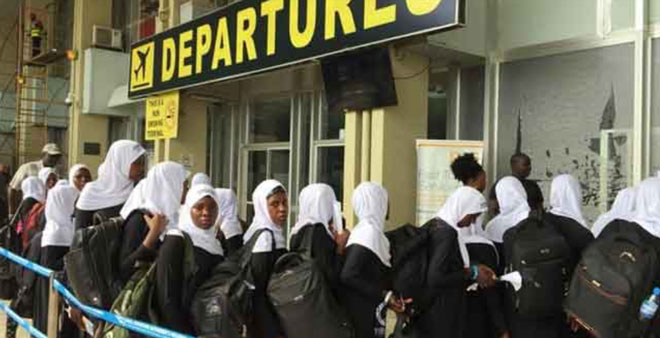
The study, funded by the Science for Africa Foundation under the Possible Africa Initiative, focused on Butambala District, an area identified as having a high number of young women leaving for domestic work abroad. Findings indicate that at least three girls from the district travel each month in search of employment.
Lead researcher Dr. Aisha Nakiwala, a senior lecturer, noted that many migrants face serious challenges upon arrival in the Middle East, often due to lack of accurate information before departure.

She emphasized the need for better systems to provide clear, reliable, and practical information to prospective migrant workers, enabling them to make informed decisions and remain safe while abroad.
To address the issue, Dr. Nakiwala’s team has been engaging communities in districts like Butambala to understand how local leaders and families can play a more active role in guiding young people toward safer and legal recruitment channels.

Meanwhile, the Ministry of Gender, Labour and Social Development attributes many of the challenges to illegal recruiters and companies operating without proper licenses.
Local leaders have also expressed concern over gaps in oversight at the community level, including cases where some officials approve migration documents without proper verification, and families fail to disclose details of their children’s travel.
Authorities are now calling for stricter enforcement of existing laws to ensure transparency in recruitment, so that migrant workers clearly understand their destinations, employers, and working conditions.
The Ministry is also reviewing pre-departure training programs, with proposals to extend the current two-week training period to up to two months. The aim is to better prepare workers for the cultural, social, and psychological realities of working abroad.
Government is considering introducing mandatory insurance for all migrant workers to cover emergencies such as illness, death, or repatriation, reducing the financial burden on families.
Experts maintain that empowering communities, strengthening regulation, and promoting the use of official recruitment channels remain critical steps in reducing exploitation and ensuring safer labour migration for Ugandans.