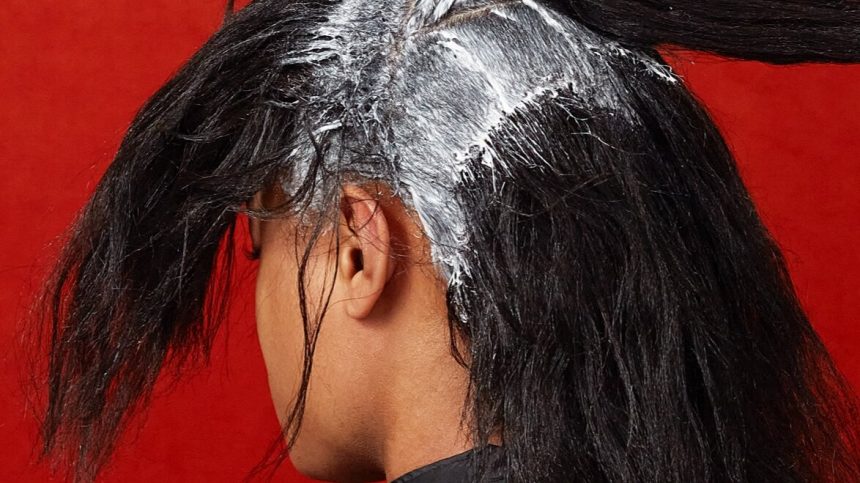
A large majority of Black women, nearly 90%, use chemical hair relaxers to straighten their natural curls. This practice often begins in childhood, with many women using these products every few months throughout their lives. However, recent evidence suggests that these relaxers disrupt the endocrine system, leading to serious health issues such as early puberty and reproductive disorders. Conditions like uterine fibroids, preterm birth, infertility, and various cancers (including breast, ovarian, and uterine) are notably prevalent among Black women, who are disproportionately affected.
The oversight and regulation of these products are minimal, despite their widespread use. Termed “creamy crack” colloquially, these relaxers are marketed aggressively to Black women without adequate safety assurances. Investigative journalist Linda Villarosa embarked on a year-long exploration into the impact of these products, which culminated in a comprehensive report published in The Times Magazine.
During her investigation, Villarosa interviewed a spectrum of stakeholders, from government officials and health professionals to affected individuals and activists. One such person is Jenny Mitchell, who began using relaxers at a young age. In 2018, Mitchell’s desire to start a family was shattered when she was diagnosed with uterine cancer. Her story underscores the potentially devastating health consequences associated with long-term use of chemical hair relaxers.
Black female epidemiologists have been pivotal in driving awareness and research into the health disparities linked to these products. Tamarra James-Todd, a public health professor at Harvard, recalled her own childhood experiences with relaxers, which she now believes posed significant health risks. This personal insight has motivated her and others to push for deeper scientific inquiry into the chemicals used in these products and their impact on reproductive health.
Recent studies have provided compelling evidence of the dangers posed by chemical hair straighteners. A major study spanning over a decade revealed that frequent users of these products faced more than double the risk of developing uterine cancer compared to non-users. This finding aligns with rising rates of aggressive uterine cancer subtypes among Black women over the past two decades.

In contrast to stricter regulations in the European Union, where over 1,300 cosmetic ingredients are regulated, the U.S. FDA has only restricted nine. This regulatory disparity highlights a critical gap in consumer protection. Even products marketed to children, adorned with bright packaging and appealing imagery, contain chemicals banned in other regions due to their potential hormone-disrupting effects.
In response to mounting evidence, thousands of lawsuits have been filed against manufacturers of these products. Despite a growing movement towards embracing natural hair styles among Black women, sales of relaxers to salons remain significant. This ongoing usage perpetuates a preventable public health crisis that demands urgent regulatory action and greater consumer awareness.

The widespread use of chemical hair relaxers among Black women has unveiled profound health risks, particularly concerning reproductive health. The journey to address these risks involves not only scientific inquiry and regulatory reform but also societal shifts towards safer, more informed choices in personal care products.