Kotido, Uganda – In Uganda’s northeastern frontier—where the land is dry and challenges are deeply rooted—a new initiative is offering renewed hope.
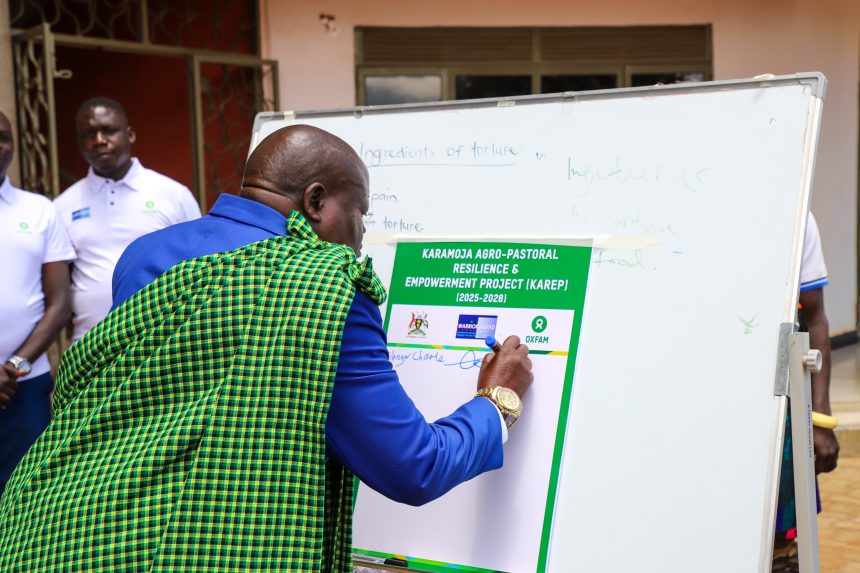
The Karamoja Agro-Pastoral Resilience and Empowerment Project (KAREP) was officially launched in Kotido District at Ateker Hotel, marking a significant step in the region’s fight against food insecurity, climate vulnerability, and economic exclusion.
Funded by the Kane Family and implemented by Oxfam in Uganda, in partnership with the Warrior Squad Foundation, KAREP is a three-year, $1.1 million project designed to transform the livelihoods of smallholder farmers across Kotido.
According to the Uganda Bureau of Statistics and the Integrated Food Security Phase Classification (IPC), the entire Karamoja sub-region is currently classified in Phase 3 (Crisis). Over 600,000 people face acute food insecurity, worsened by erratic rainfall, prolonged droughts, and rising temperatures that threaten both pastoral and agricultural systems.

A Community-Led Vision for Resilience
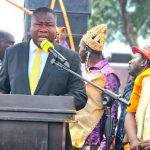
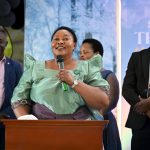
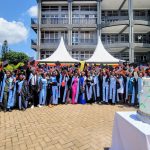
The launch event brought together local leaders, development partners, and community members who described it as a turning point for Karamoja. One of the key speakers, Nakong Night Teddy, Project Officer at Warrior Squad Foundation, captured the spirit of the moment:

“This project is not just about agriculture—it’s about restoring dignity, building resilience, and empowering communities to take charge of their future.”
KAREP will be implemented in the sub-counties of Napupum and Kapeta in Kotido District.
The project’s approach is rooted in community participation. It integrates Village Savings and Loan Associations (VSLAs) into Agricultural Producer and Farmer Field School (APFFS) activities, rehabilitates degraded ecosystems through cash-for-work programs, and supports livestock disease management and rangeland governance.
Given the impact of climate change, the project emphasizes climate-smart agriculture—introducing adaptive techniques that improve soil health, conserve water, and increase productivity without harming the environment.
Prioritizing Women and Youth
One of KAREP’s defining features is its focus on inclusive development. Francis Odokorach, Country Director of Oxfam in Uganda, described the project as a blueprint for locally led, gender-responsive, and climate-smart transformation:
“We are co-creating long-term strategies that empower people to adapt, innovate, and thrive in the face of adversity.”
This focus is especially important in Karamoja, where women and young people often bear the brunt of poverty and climate-related shocks. By equipping them with tools, training, and financial literacy, KAREP seeks to unlock their potential as agents of change.
The project also aims to build institutional capacity among district technical teams, Water User Committees, Community Animal Health Workers, and Producer Marketing Groups—ensuring sustainability beyond the project’s lifespan.
Government Endorsement and Local Ownership
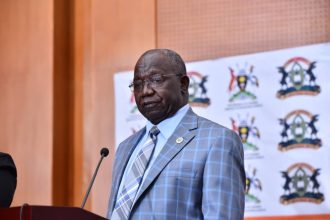
The event was officiated by Charles Ichogor, Resident District Commissioner (RDC) of Kotido, who pledged the government’s full support and emphasized the need for collective action:
“KAREP is more than a project; it is a promise of hope and resilience for the people of Karamoja. I urge all stakeholders to take ownership and work together to protect our environment and empower our communities.”
His remarks stressed the importance of community engagement, accountability, and sustainability—noting that many past development projects in the region failed to achieve long-term impact due to lack of local ownership.
Local leaders echoed his sentiments, calling for transparency, regular monitoring, and inclusive decision-making. Several community members expressed optimism that KAREP’s participatory model would foster trust and ensure that benefits reach those most in need.
A Strategic Shift Toward Long-Term Resilience
KAREP represents a major shift from the emergency relief efforts that have long characterized development work in Karamoja. Rather than offering short-term fixes, the project emphasizes resilience-building, economic empowerment, and environmental restoration.
This shift aligns with global calls for climate adaptation and sustainable development. As Uganda grapples with the realities of climate change, KAREP offers a model for how vulnerable regions can transition from crisis to stability.
Stakeholders hope the project will serve as a catalyst for broader change, inspiring similar initiatives across Uganda and the East African region. By demonstrating the power of locally led, inclusive, and climate-smart development, KAREP could redefine how humanitarian and development actors engage with fragile ecosystems and communities.
A Launch Marked by Celebration and Commitment
The launch event was lively and filled with cultural expression. Traditional dances, poetry, and storytelling brought the community together in celebration and solidarity.
The energy was palpable. For many, KAREP is more than a development project—it’s a symbol of possibility. As attendees left, they carried with them renewed hope and a shared commitment to building a better future for Kotido and beyond.