By Richard Onapatum
Lira City, Uganda – As Uganda prepares its national budget for the 2026/27 financial year, voices from the margins are growing louder. Among them are leaders from Kotido District, who used the recent regional budget consultative workshop in Lira City to spotlight long-standing structural inequalities that continue to hinder service delivery in their region.
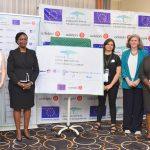
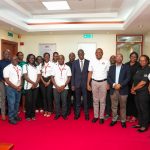
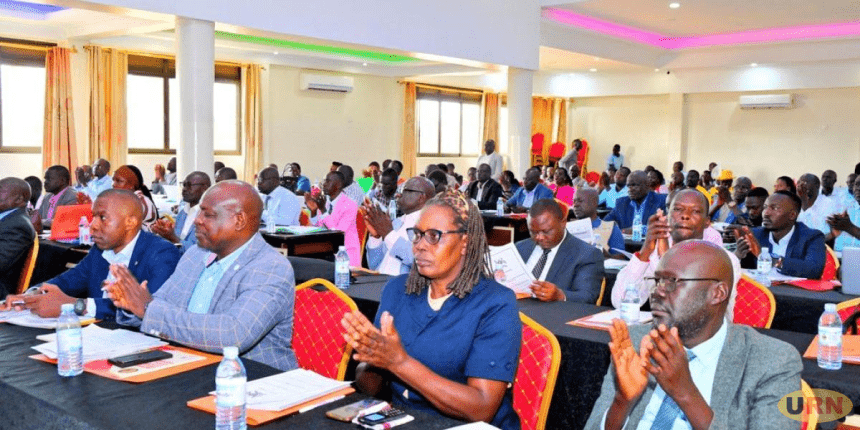
Held at Margarita Palace Hotel, the two-day workshop brought together local government officials from across Northern Uganda. But it was the delegation from Kotido that delivered some of the most impassioned appeals, demanding reforms that go beyond figures and into the heart of governance.
A Mayor’s Frustration
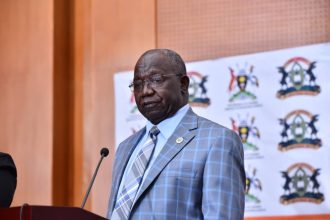
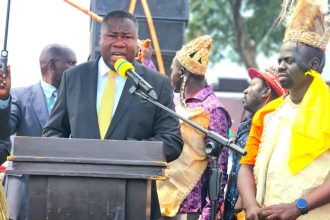
Kotido Municipality Mayor, Peter Abrahams Irar, did not mince words. He condemned the glaring salary disparities within local government, pointing out that mayors earn as little as UGX 700,000, while town clerks—whom they are expected to supervise—take home over UGX 5 million.

“How do you supervise someone who earns seven times more than you?” Lokii asked, visibly frustrated. “If this is the system, we just go to God.”
His remarks struck a chord with many in the room, highlighting a structural imbalance that not only undermines leadership but also fuels corruption and weakens accountability at the grassroots level.

Beyond Salaries: The Bigger Picture
Kotido’s concerns extended beyond paychecks. Officials from the district painted a sobering picture of low staffing levels, with critical departments operating below capacity. They described how the lack of personnel, coupled with limited funding for road maintenance and insufficient vehicles for field monitoring, has left many government programs stalled or poorly implemented.
One district planner noted that while each district receives a uniform allocation of UGX 1 billion for road works, the terrain and infrastructure needs of remote areas like Kotido are far more demanding than those of urban centers.
“We’re not asking for favors,” he said. “We’re asking for fairness. Budgeting should reflect reality, not assumptions.”
Ministry Response and Promises
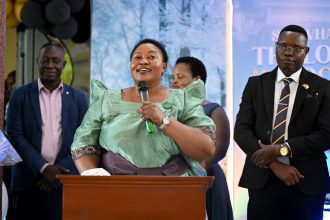
In response, Commissioner Hellen Jenny Owechi from the Ministry of Finance acknowledged the challenges and promised targeted interventions. She announced plans for recruitment drives to address staffing gaps and emphasized the need for districts to align their priorities with the National Development Plan IV.
Owechi also encouraged local governments to strengthen revenue mobilization and improve planning frameworks to ensure that budget allocations are both efficient and impactful.
“This is not just about numbers,” she said. “It’s about making sure services reach the people who need them most.”
A Call for Inclusive Planning
The Kotido delegation’s message was clear: Uganda’s budgeting process must be inclusive, responsive, and grounded in the lived realities of its diverse districts. Their appeal echoed across the workshop, where leaders from Apac, Kole, Kaabong, Dokolo, Alebtong, and Otuke shared similar frustrations.
As the Ministry of Finance continues its nationwide consultations, Kotido’s voice stands as a reminder that equitable development begins with equitable planning—and that no district should be left behind.