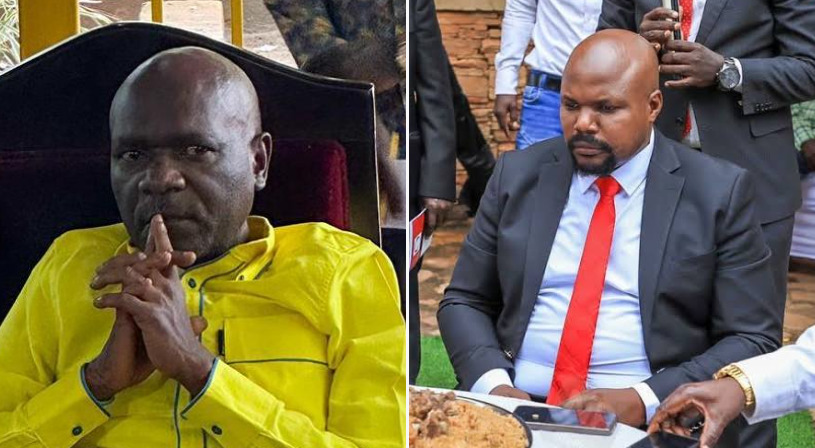
A public clash has erupted over the frequent appearance of the same political commentators on Uganda’s leading television talk shows after former presidential assistant Duncan Abigaba openly criticized NBS Television’s guest lineup, triggering widespread debate about media diversity and viewer fatigue.
The controversy began after Abigaba posted on X (formerly Twitter), directly addressing NBS Television and expressing frustration over the repeated appearance of political analysts Mubarak Munyagwa and Yusuf Nsibambi on popular programmes such as Barometer and Frontline.
“Dear NBS TV, on behalf of your viewers, we are tired of these two faces. They add absolutely zero value to your shows. Thank you for your attention to this matter!” Abigaba wrote.
Dear @nbstv
On behalf of your viewers, we are tired of these two faces. They add absolutely zero value to your shows. Thank you for your attention to this matter! pic.twitter.com/cyKnjpiERa— Duncan Abigaba (@DuncanAbigaba) May 1, 2026
His comments quickly gained traction online, with many social media users agreeing that Uganda’s television political space has become predictable, with the same personalities dominating discussions while newer voices struggle to break through.

Several viewers argued that repeated guest lineups risk making political discourse stale, especially at a time when audiences are increasingly demanding fresh analysis, broader ideological diversity, and more representative public debate.
However, Abigaba’s criticism also sparked sharp pushback from media personalities and supporters of the commentators. TV host and analyst Simon Kaggwa Njala dismissed the criticism, suggesting that replacing familiar commentators requires equally substantive alternatives.

Njala reportedly challenged Abigaba’s credibility, arguing that criticism without offering better options contributes little to improving media standards.
Other defenders, including Ron Kazooba Kawamara, praised Munyagwa and Nsibambi for bringing humor, relatability, and an everyday citizen’s perspective to complex political discussions—qualities they say resonate with many ordinary viewers.
The exchange has reignited a broader conversation about Uganda’s broadcast media landscape, where leading talk shows often rely on recognizable panelists to maintain ratings, but risk criticism for limiting diversity of opinion.
Media analysts note that while familiar faces can build audience loyalty, overreliance on a narrow pool of commentators may create perceptions of editorial stagnation and reduce opportunities for emerging analysts, academics, youth leaders, and regional voices.
The debate also underscores growing public scrutiny of television programming in Uganda, particularly on political and current affairs platforms that shape national conversations.
As Uganda’s media sector becomes more interactive through social media feedback, broadcasters may increasingly face pressure to strike a balance between audience familiarity and the demand for fresh, dynamic voices.