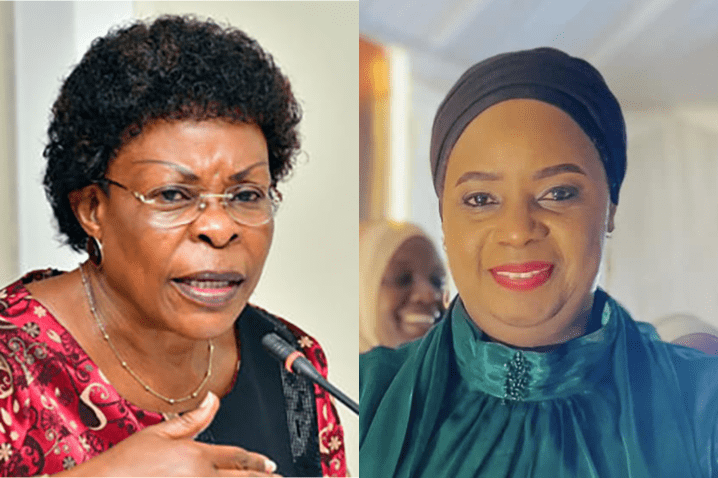
In a significant development in Uganda’s fight against corruption, President Yoweri Kaguta Museveni has appointed Hon. Justice Aisha Naluzze Batala as the new Inspector General of Government (IGG), replacing Hon. Beti Olive Namisango Kamya. The appointment comes as part of the President’s constitutional powers and is subject to parliamentary vetting. The Deputy IGGs, Dr. Patricia Achan Okiria and Mrs. Anne Twinomugisha Muhairwe, have retained their positions to provide continuity in the office.
Beti Kamya’s Tenure
Beti Kamya, a seasoned politician and former presidential candidate, has served as IGG for the past four years. During her tenure, she became a prominent public figure in Uganda’s anti-corruption landscape, advocating strongly against misuse of public resources. While her administration made strides in awareness and monitoring, some critics argued that high-profile prosecutions were limited, leaving a perception of unfinished business in the fight against corruption. Kamya’s term ended quietly, paving the way for new leadership in the Inspectorate of Government.

Profile of Justice Aisha Naluzze Batala

Justice Aisha Naluzze Batala brings a wealth of legal and judicial experience to the IGG office. She currently serves in the Land Division of the High Court, where she has demonstrated integrity and a deep understanding of Ugandan law. Her appointment is seen as a strategic move to strengthen the Inspectorate’s capacity to pursue complex corruption cases and ensure accountability within public institutions.
Deputy IGGs Retained for Continuity
The decision to retain Dr. Patricia Achan Okiria and Mrs. Anne Twinomugisha Muhairwe as Deputy IGGs ensures institutional stability. Dr. Okiria is recognized for her work in human rights and governance, while Mrs. Muhairwe brings extensive experience in public administration. Together, they are expected to provide strong support to Justice Naluzze as she assumes the top leadership role.
Challenges Ahead
Justice Naluzze faces significant challenges in her new role. Public expectations are high for swift action against corruption, particularly cases involving senior government officials. She will also need to enhance transparency, accountability, and efficiency within public institutions, all while navigating legal and political pressures. Additionally, maintaining public trust in the IGG office will require careful balance between firm enforcement and fairness in investigations.
Conclusion
The appointment of Justice Aisha Naluzze Batala as IGG represents a pivotal moment in Uganda’s ongoing efforts to combat corruption. With experienced deputies by her side and a clear mandate, she has the opportunity to restore public confidence in the Inspectorate and lead the institution toward greater effectiveness and integrity. As Uganda watches closely, the success of her tenure will depend on her ability to tackle entrenched challenges while promoting accountability at all levels of government.