It is a long-held principle of constitutional law that a preamble of a constitution is unenforceable and cannot be quoted. This was succinctly highlighted in one of the leading cases on citizenship in East Africa.
However, I must overtly acknowledge the framing of State Objective XXIV on cultural development and the preservation of our heritage, which eventually metamorphosed into the present Article 246. This article gave birth to the current cultural and traditional institutions and their leaders in Uganda. Other notable provisions on customs under the Constitution include Article 37, which allows communities to enjoy and celebrate their culture, and Article 237, which provides for the customary land tenure system.
It is plausible for me to insist that without the current municipal law on the recognition of traditional and cultural leaders, kingdoms such as Buganda would still be having Mr. Ronald Mutebi as a prince and not a king. The same would apply to other hereditary leaders such as those of Bunyoro, Toro, among others—they too would still be referred to as princes, not kings.
The Bamasaaba people would, by all intents and purposes, have no Umukuka. Likewise, Teso, Lango, and Acholi would have no kings without the present enabling laws.
As already stated above, without the current legal provisions, we wouldn’t have the Umukuka or any other traditional leader recognized and gazetted by the government.

To further validate my submission and insistence on the relevance of the present law on traditional and cultural institutions: while I was growing up in the early 1990s, we had never heard of the Umukuka until the introduction of the presidential law on Bukuka.
Both traditional and cultural institutions, therefore, have the fundamental task of uniting their people. Any cultural institution glossing over this should be reprimanded. Cultural and traditional institutions exist to unify their communities. That is our singular task. We are custodians of the culture and customs of our people and must ensure we preach unity and hard work, including the preservation of morality and heritage.

The formal rebirth of Bukuka—or traditional leadership—in Uganda begins with the 1995 Constitution (of course, if we discount the previous constitutions of the 1960s). Buganda and others like Bunyoro have leadership histories dating back centuries.
The majority of cultural institutions—about 95%—are a creation of the NRM government. In subsequent editions, we shall interrogate why the government fronted the idea of communities having their own cultural leaders.
We salute the government for fulfilling its political promises. Sometimes, such promises made by leaders ought to be applauded, as many politicians have often glossed over promises made to their compatriots.
Cultural institutions and their leaders in Uganda have no excuse not to mobilize their citizens in appreciating the government for the various programs available.
Cultural leaders are equally clothed with cultural authority to guide their communities on many matters of culture and general direction. They see far and, as such, are able to act as the Northern Star by offering guidance to their people.
Uganda currently has about 18 traditional and cultural institutions. The Constitution allows every community to have a cultural leader if they can meet the set minimum criteria.
The Bamasaaba have so far had three cultural leaders reigning since 2010.
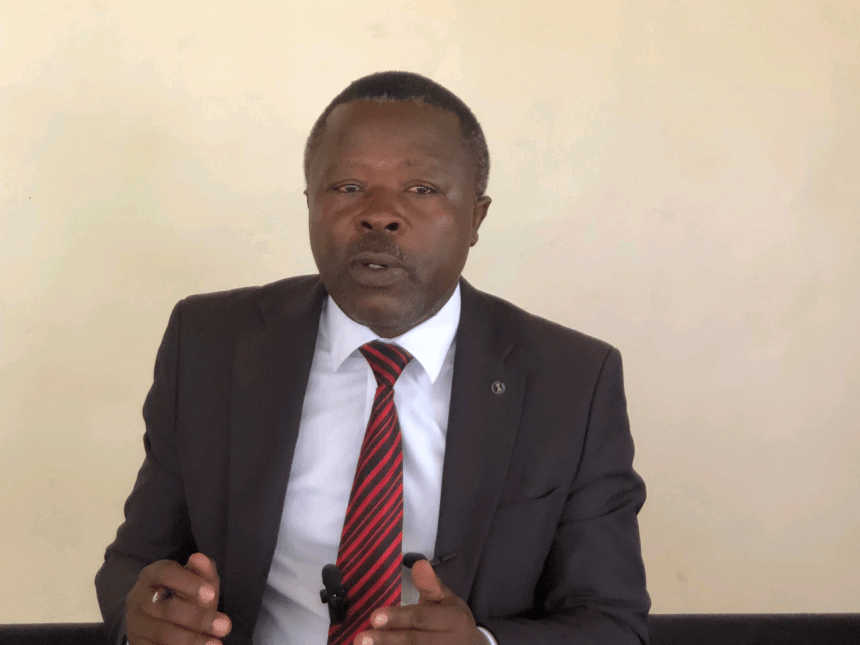
The writer is a lawyer and spokesperson for the Bugisu Cultural Institution. Tel: 0782231577.