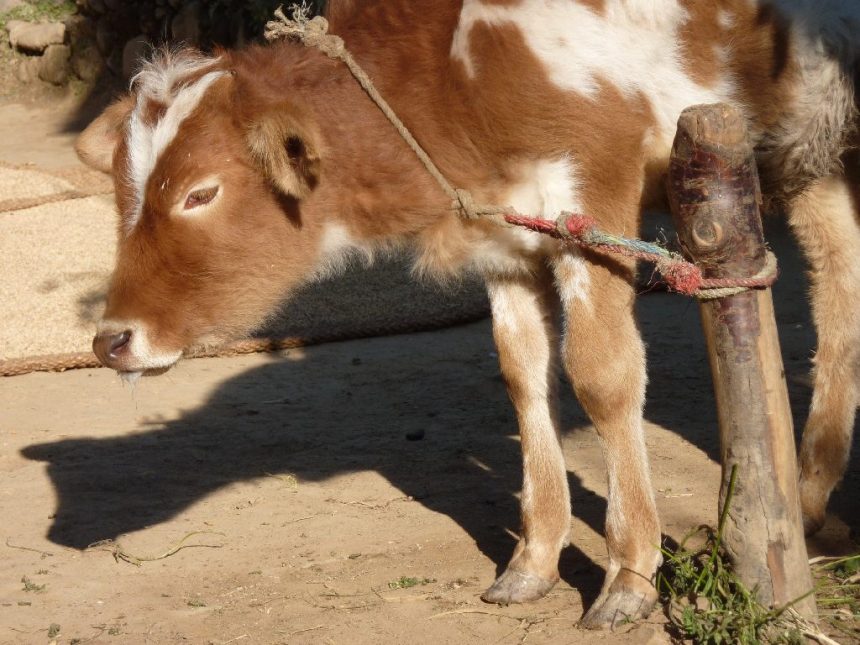
NTUNGAMO, Uganda — Livestock farmers and traders in Ntungamo District are facing mounting economic uncertainty after authorities imposed a sweeping quarantine following a fresh outbreak of Foot-and-Mouth Disease (FMD), disrupting one of the region’s key economic lifelines.
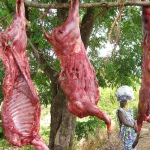
The suspension of all livestock and animal product markets has effectively frozen trade in cattle, goats, sheep, pigs, milk, and meat, leaving farmers, transporters, butchers, and dairy operators grappling with heavy losses.
District leaders say the drastic measures are necessary to contain the highly contagious disease, which has already been confirmed in Ngoma Sub-county and poses a major threat to livestock production across the district and neighboring Rukiga.
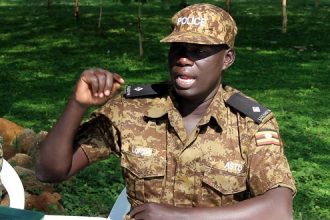
Resident District Commissioner Mariam Kagaiga Mugisha, who chairs the district disease surveillance committee, announced that no animals or related products will be allowed to move within or outside Ntungamo until the quarantine is lifted. The restrictions also extend to slaughterhouses, butcheries, dairies, milk cooling plants, and meat roasting businesses, while hotels have been temporarily banned from serving animal products until May 27.
Officials say the quarantine is designed to break the chain of transmission, especially during the dry season when outbreaks are more frequent due to increased animal movement and grazing pressures.

District Veterinary Officer Dr. Yaake Basulirwa warned that the outbreak could worsen if farmers fail to comply with movement controls, adding that strict enforcement and surveillance are now underway.
For many households in Ntungamo, where livestock farming is a major source of income, the restrictions mark a painful setback just months after markets had reopened following previous disease-control interventions.

Authorities are now urging farmers and traders to prioritize disease prevention over short-term profit, insisting that strict compliance is the fastest path to restoring normal trade.
As quarantine measures take hold, Ntungamo’s livestock-dependent economy now waits anxiously for containment success, balancing public veterinary safety against the livelihoods of thousands.