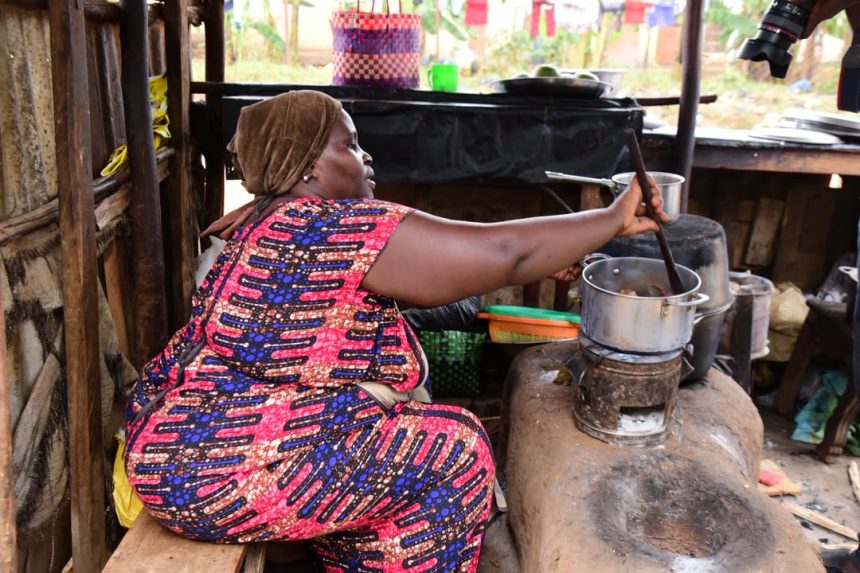
For decades, millions of Ugandan households have relied on firewood and charcoal for cooking, exposing families to harmful smoke, increasing household expenses, and contributing to environmental degradation. Today, however, fuel-efficient eco-stoves are quietly transforming lives across rural Uganda, particularly for women who bear the burden of cooking and fuel collection.
Uganda continues to face a significant household energy challenge. An estimated 96 percent of rural households depend on biomass fuels such as firewood and charcoal, while nearly 90 percent lack access to clean cooking technologies. As a result, indoor air pollution from smoky kitchens contributes to approximately 19,700 deaths annually, while the growing demand for firewood accelerates deforestation.
Yet a growing number of families are embracing eco-stoves, a cleaner, safer, and more affordable alternative that is improving health, reducing fuel costs, and empowering women economically.
For Florence Nabutsebi, a mother of five and grandmother of seven from Busamaga West Constituency in Mbale District, cooking was once a daily struggle.
“The traditional stoves were inefficient in cost, durability, and usage,” she recalls.
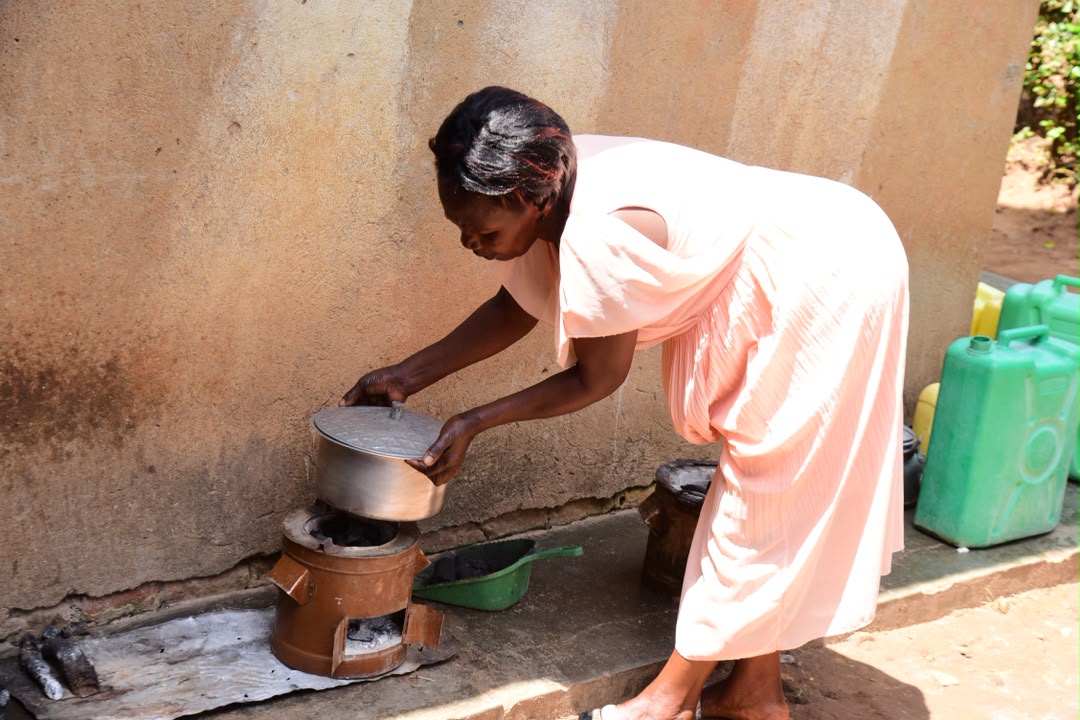

Her fortunes changed when a local cooperative introduced eco-stoves to her community. Though initially skeptical, she quickly discovered the benefits.
“In the past, I used a sack of charcoal for one month, but with this stove it lasts about two and a half months,” Nabutsebi says. “We now use very little firewood, just a few sticks, and cooking takes less time.”

The reduction in fuel consumption has enabled her family to save money that can now be spent on food, education, and other household needs. Equally important, the cleaner-burning stove has significantly reduced smoke in her kitchen, creating a healthier environment for her family.
The benefits of eco-stoves are not limited to households.
Fatimah Nanfuma, a restaurant owner in Namatala, Mbale City, says the technology has dramatically lowered her operating costs.
Previously, she spent between Shs85,000 and Shs100,000 on charcoal every three weeks. Today, the same amount of charcoal lasts up to three months.
“This is a truly cost-effective initiative,” Nanfuma says.
The savings have increased her profits and improved the sustainability of her business. Some users have gone a step further by producing fuel briquettes from sawdust, charcoal dust, and organic waste, creating additional income streams while helping to protect the environment.

Traditional cooking methods expose women and children to dangerous levels of smoke for extended periods, increasing the risk of respiratory diseases, eye problems, and burns.
Eco-stoves significantly reduce smoke emissions, improving household health and reducing the risks associated with indoor air pollution. They also reduce the amount of time women and girls spend collecting firewood. The time saved can be redirected toward education, farming, childcare, and other productive activities that improve family welfare.
Beyond individual households, widespread adoption of eco-stoves is helping to curb deforestation by reducing the demand for firewood and charcoal.
The growing adoption of eco-stoves has been supported by initiatives such as the Results-Based Financing (RBF) Program, a partnership between Equity Bank Uganda and GIZ Energizing Development (EnDev) Uganda. The program provides incentives to suppliers, helping to lower costs and expand distribution to underserved communities.
Through local vendors and community outreach programs, some eco-stove models are now available for as little as Shs10,000, making clean cooking solutions accessible even to low-income households.
According to beneficiaries, peer influence and visible results have played a major role in accelerating adoption.
“I have convinced many of my neighbors to buy these eco-stoves because they see the benefits,” says Nabutsebi.
Recent projects have distributed more than 600,000 improved cookstoves across Uganda, with locally manufactured models becoming increasingly popular. Rising fuel prices and growing awareness of environmental conservation have further increased demand.
Under its environmental sustainability agenda, Equity Bank continues to support initiatives that promote clean energy solutions and improved livelihoods across Uganda.
While eco-stoves may appear simple in design, their impact is profound. They reduce household expenses, improve public health, conserve forests, empower women economically, and strengthen small businesses.
For thousands of families across rural Uganda, the transition to cleaner cooking is more than a technological advancement. It represents a pathway to healthier homes, stronger incomes, greater economic opportunities, and a more sustainable future.