When Polland Food Centre opened its doors in 2025, customers were welcomed by the aroma of freshly prepared meals. Behind the scenes, however, the restaurant was grappling with a challenge common to many growing food businesses: rising fuel costs and inefficient cooking systems.
Like many restaurants that rely on traditional charcoal stoves, Polland Food Centre found itself spending heavily on fuel while contending with smoky kitchen conditions and safety concerns. Despite serving a wide range of local and continental dishes, the restaurant struggled to balance increasing demand with soaring operational costs.
“We were spending between Shs40,000 and Shs50,000 every day on five to seven basins of charcoal,” said Muhuza John Bosco, Head Chef at Polland Food Centre.
The financial burden was compounded by other challenges. Traditional charcoal stoves lost significant amounts of heat, requiring frequent refueling. Thick smoke filled the kitchen, affecting both staff comfort and health. Workers often ended their shifts exhausted, while the risk of burns and other kitchen accidents remained a constant concern.
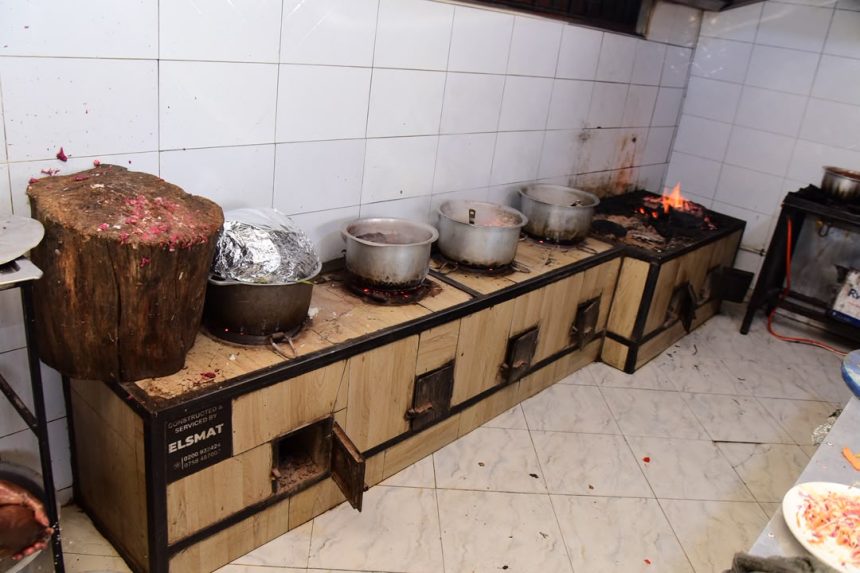
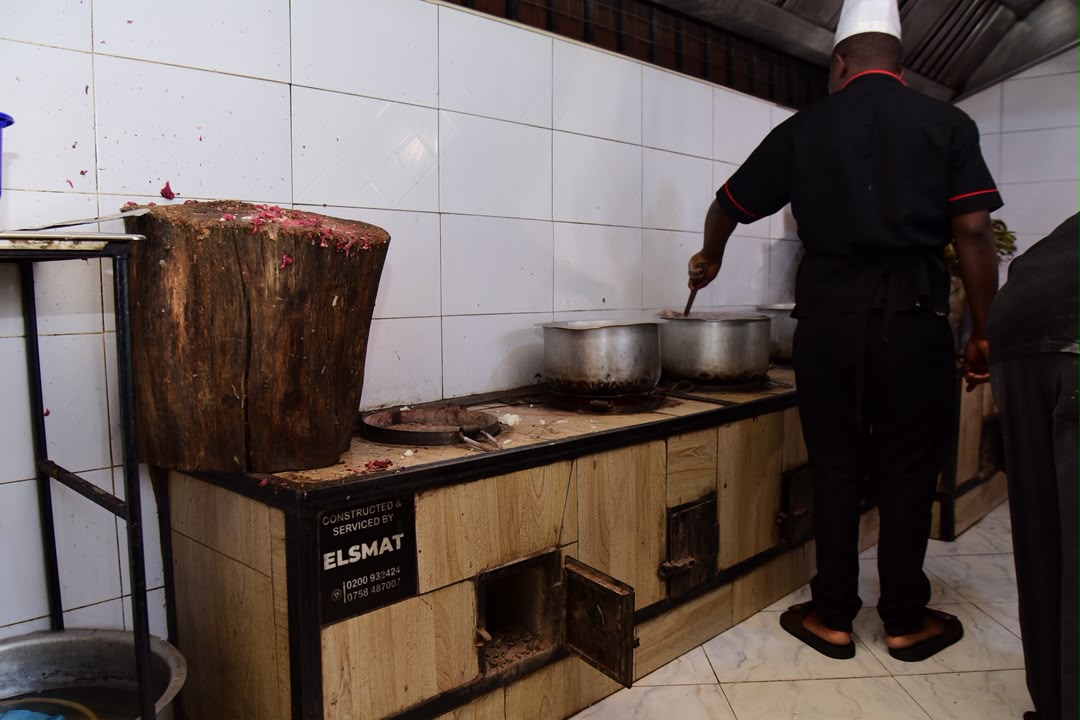
Recognizing the need for a sustainable solution, Polland Food Centre partnered with Elsmart Conservation Technologies to install built-in Ecostoves specifically designed for high-volume commercial kitchens.

Unlike conventional charcoal stoves, the Ecostoves use high-density honeycomb briquettes that burn longer and cleaner. The stoves are also insulated, helping to conserve heat and reduce fuel consumption while maintaining consistent cooking temperatures.
The results were immediate and impressive.

Daily fuel expenses dropped from approximately Shs50,000 to just Shs20,000, representing a 60 percent reduction in energy costs. For a restaurant operating throughout the week, the savings quickly translated into improved profitability and greater opportunities for growth.
“Previously, we spent between Shs40,000 and Shs50,000 on charcoal every day. Now we spend only Shs20,000 on briquettes to prepare food for the entire day,” Muhuza explained. “The stoves are cost-effective. We cook faster, and the insulation preserves heat, keeping food warm throughout the day without requiring additional fuel. Since we started using them, we have not recorded a single accident.”
Beyond the financial savings, the Ecostoves have transformed the restaurant’s working environment. Reduced smoke has created a cleaner and healthier kitchen, while improved heat management has shortened cooking times and enhanced efficiency. Food remains warm for longer periods, reducing the need for reheating during peak service hours.
The improved working conditions have also boosted staff morale and productivity.
With lower operating costs and increased efficiency, Polland Food Centre is now serving more customers while maintaining quality service. The savings generated from reduced fuel consumption are being reinvested into business expansion, menu development, and customer experience improvements.
Encouraged by the success of the initiative, the restaurant’s management is planning to acquire additional Ecostoves to further expand kitchen capacity. Plans are also underway to establish a second branch equipped entirely with energy-efficient cooking technology.

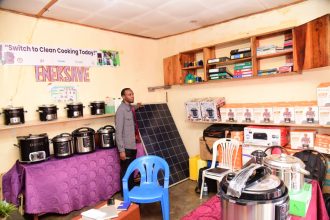
According to Virginia Semakula, Manager for Energy, Environment and Climate Change at Equity Bank Uganda, the adoption of clean cooking technologies is helping businesses across the country improve efficiency while reducing dependence on traditional fuels.
“The impact has been significant. Through our partnership with GIZ, we have expanded access to clean cooking systems and solar technologies across different communities,” Semakula said. “Businesses have reduced dependence on charcoal, firewood and kerosene by adopting cleaner cooking solutions. Salons, households, retail shops and farms have also embraced solar-powered systems, enabling them to operate longer hours while reducing energy costs.”
For Polland Food Centre, the transition to energy-efficient cooking has proven to be more than an environmental initiative. It has become a strategic business decision that has transformed a major operating expense into a competitive advantage.
In an industry where profit margins are often tight and fuel prices remain unpredictable, Polland’s experience demonstrates how innovative energy solutions can reshape not only kitchen operations but also the long-term sustainability of businesses.