Uganda’s push to end HIV/AIDS by 2030 is facing growing pressure from shrinking donor funding, with experts now calling on the private sector and community leaders to take a more active role in sustaining the national response.
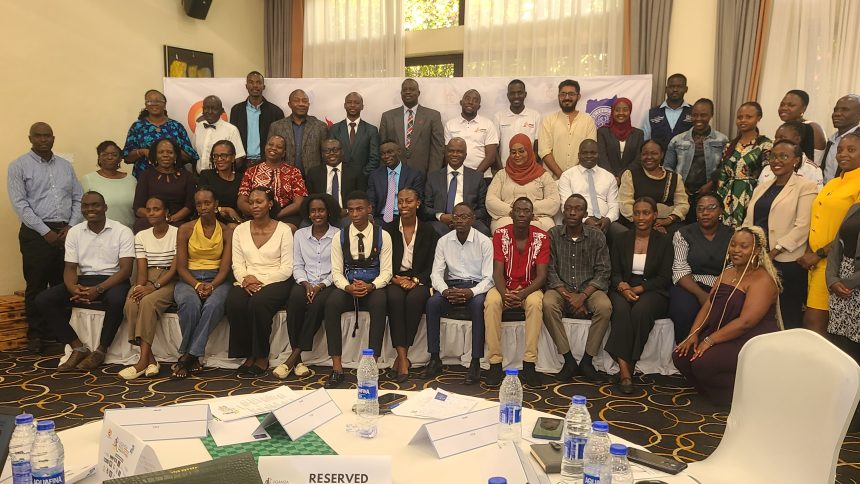
This emerged during a panel discussion at Protea Hotel Kampala, where stakeholders from health, government and business sectors gathered to explore practical solutions to the country’s HIV burden.
The discussion brought together Dr. Sabrina Kitaka, CPA Arnold Ahereza, Dr. Robert Ntumba and Dr. Nelson Musoba, with organization by Village Journeys Africa.

A key concern raised was Uganda’s heavy dependence on external funding to sustain HIV programmes.

“About 85% of HIV and AIDS financing in this country is donor-funded,” said CPA Arnold Ayereza, a team leader at Haddonfield Group. “That tells you there is a big opportunity for the private sector to step in and make a meaningful contribution.”
Ahereza noted that as global funding tightens, organisations implementing HIV programmes are already feeling the strain, making local investment more urgent than ever.
Beyond financing, speakers emphasized that leadership at all levels will determine whether Uganda meets its 2030 target.
Dr. Robert Ntumba from the Ministry of Health Uganda said strong policies alone are not enough.
“Uganda is not short of policies, but implementation remains a challenge,” he said. “Leaders in communities must fully understand that HIV is still a problem and take ownership.”
He pointed out that Uganda continues to register about 100 new infections daily, warning that behaviour and low risk perception are driving the trend.
“HIV is predominantly a behavioural disease. At the end of the day, people choose,” Ntumba said, urging religious, cultural and political leaders to use their platforms to influence change.
Health experts also stressed the need to address vulnerable groups, particularly adolescents, who face unique challenges in prevention and treatment.
Dr. Sabrina Kitaka, a senior lecturer at Makerere University College of Health Sciences and specialist at Baylor College of Medicine Children’s Foundation Uganda, said gaps in care systems and social barriers continue to affect young people.
“If you do not plan specifically for adolescents, you will miss them,” she said, calling for more targeted interventions.
She also highlighted stigma, fear and gender-based violence as key barriers to disclosure and adherence to treatment.
Meanwhile, Dr. Nelson Musoba of the Uganda AIDS Commission underscored the need for a coordinated national response that brings together government, partners and communities.
As Uganda works toward the 2030 goal, the message from the Kampala meeting was clear: without stronger domestic financing, active private sector participation and accountable leadership at community level, progress against HIV/AIDS could stall.