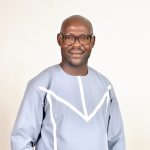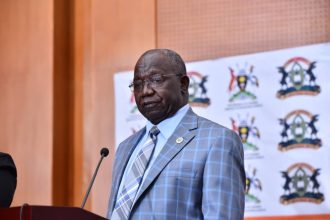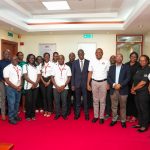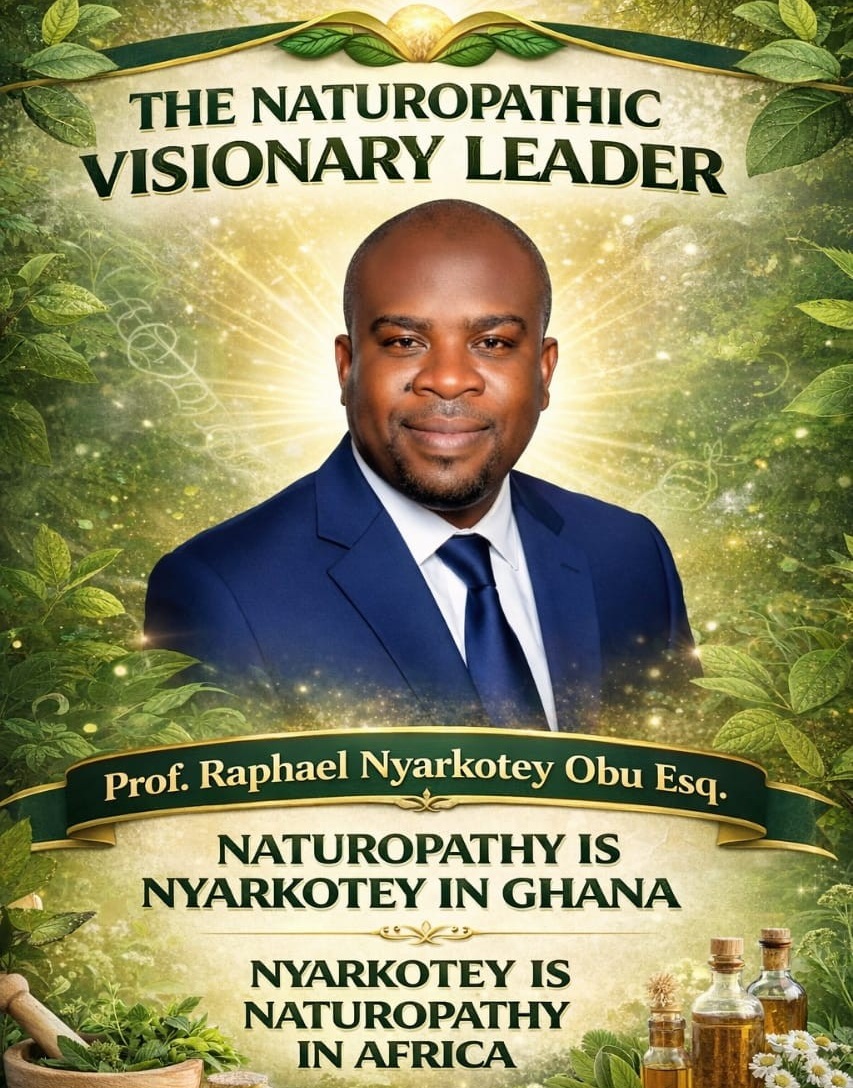
Across Africa’s evolving healthcare landscape—where indigenous healing systems intersect with modern regulation and scientific inquiry—few figures embody this transformation as profoundly as Prof. Raphael Nyarkotey Obu, ESQ. A naturopath, academic, Chartered Health Economist, Chartered Management Consultant(ChMC), Chartered Education Planner, Chartered Public Health Analyst, legal practitioner, policy advocate, and institutional reformer, Prof. Nyarkotey Obu has emerged as one of the continent’s most visible champions of naturopathic medicine and traditional healing systems.
His journey, however, has not been one of quiet professional advancement. Rather, it has been marked by legal battles, regulatory confrontations, institutional reforms, and continental advocacy, positioning him as both a visionary and a reformer within Africa’s natural medicine movement.
A Rare Fusion of Law and Natural Medicine
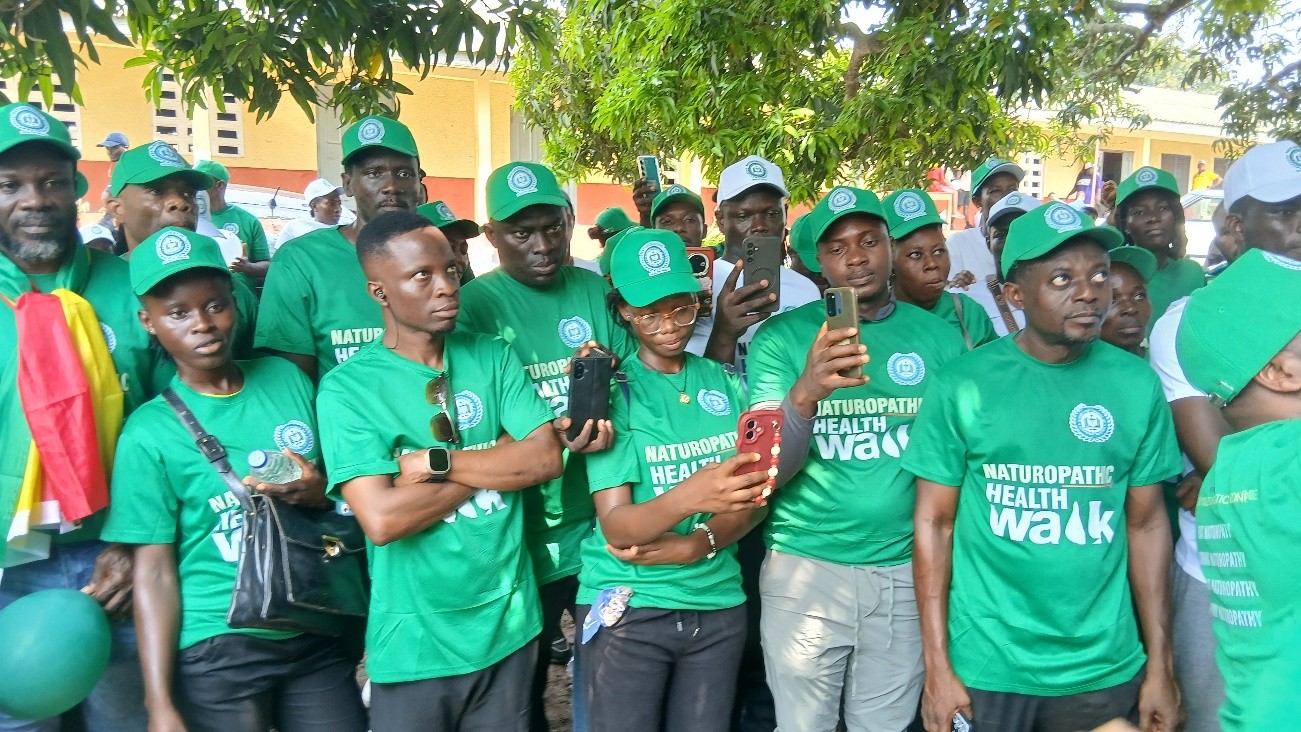
Prof. Nyarkotey Obu occupies a rare professional intersection: naturopathy and law. Recognized as the first naturopath in Africa to qualify as a lawyer and be called to the Bar in The Gambia, he represents a new generation of practitioners capable of defending natural medicine not only clinically but also within legal and policy frameworks.
This dual expertise has allowed him to address complex issues often facing naturopathic practitioners across Africa, including:
- Professional recognition
- Regulatory authority
- Medical negligence disputes
- Legal frameworks governing traditional and complementary medicine
His legal training has transformed him into a policy strategist for natural medicine, advocating reforms that bring regulatory clarity while protecting practitioners from institutional overreach.
Regulatory Battles in Ghana

Prof. Nyarkotey Obu’s advocacy has also placed him at the center of one of Ghana’s most significant regulatory debates surrounding complementary and alternative medicine (CAM).
The dispute revolves around the jurisdiction of the Ghana Alternative Medical Practitioners Association and the Traditional Medicine Practice Council, the statutory body under Ghana’s Ministry of Health responsible for regulating traditional medicine.
Prof. Nyarkotey Obu has publicly challenged the council’s claim of jurisdiction over complementary and alternative medicine, arguing that its mandate under Ghanaian law primarily covers traditional medicine rather than broader integrative systems such as naturopathy.
This challenge has sparked:
- Institutional controversies
- Policy debates within the health sector
- Legal questions regarding regulatory interpretation
The disagreement ultimately led to a pending court matter seeking judicial interpretation of regulatory authority between GAMPA and the TMPC.
During the height of these tensions, reports also emerged of attempted enforcement actions involving security agencies, including efforts to arrest him in connection with regulatory disputes involving his institution. Supporters describe these events as attempts to silence advocacy, while critics view them as enforcement of regulatory oversight.
Regardless of perspective, the episode underscored the deep structural tensions surrounding the governance of natural medicine in Ghana.
Building Naturopathy in The Gambia
While his work in Ghana has attracted significant public attention, Prof. Nyarkotey Obu’s influence has also extended strongly into The Gambia, where he has contributed to the development of naturopathy within the country’s emerging traditional and complementary medicine framework.
During his time studying law at the Gambia Law School, he actively engaged with practitioners, policymakers, and traditional healers on the importance of modernizing the regulatory environment for natural medicine.
He played a notable advocacy role supporting discussions surrounding the Traditional, Complementary and Alternative Medicine (TCAM) Bill, encouraging practitioners to organize and professionalize their field.
Through mentorship and professional collaboration, he helped inspire several Gambian practitioners to transition into naturopathic practice, offering scholarship opportunities and academic pathways for formal training.
These efforts contributed to the formation of the Gambia Society of Naturopathy, a body created to promote naturopathic practice and education in the country.
In recognition of his role in this transformation, many practitioners in the Gambian naturopathic community refer to him as “the Father of Naturopathy in The Gambia.”
Mockery and Resilience
Prof. Nyarkotey Obu’s unconventional professional path—combining traditional medicine with legal training—did not come without social resistance.
During his time at law school in Banjul, some colleagues reportedly mocked his background as a herbal and natural medicine practitioner, referring to him dismissively as “Mallam,” a term often used in West Africa to describe traditional spiritual healers.
Yet rather than retreating, he embraced the moment as a symbol of the deep cultural tensions between orthodox legal training and traditional healing systems.
Today, supporters view that experience as emblematic of his resilience and determination to challenge long-standing prejudices against natural medicine practitioners.
Regional Influence: Supporting Practitioners in West Africa
Beyond Ghana and The Gambia, Prof. Nyarkotey Obu has also engaged with natural medicine practitioners in Togo, providing mentorship, advocacy support, and guidance on professional organization.
His work in the region emphasizes the need for regional collaboration among practitioners to strengthen the credibility and development of naturopathic medicine across West Africa.
These efforts are part of a broader strategy to build continental networks of practitioners, educators, and policymakers.
Toward a Continental Naturopathic Federation
Recognizing the fragmented nature of naturopathic practice across Africa, Prof. Nyarkotey Obu is currently championing the creation of a continental federation for naturopathy.
The proposed organization aims to:
- Harmonize naturopathic education standards across Africa
- Promote research in African herbal medicine
- Provide legal defense frameworks for practitioners
- Advocate for supportive regulatory policies
- Facilitate collaboration among national naturopathic associations
If realized, the initiative could represent one of the most significant institutional developments in the history of African naturopathy.
Institutional Builder and Author
Alongside his legal and policy work, Prof. Nyarkotey Obu continues to build academic infrastructure through the Nyarkotey College of Holistic Medicine, an institution dedicated to training the next generation of naturopathic and holistic health practitioners.
He is also a prolific author whose writings explore topics such as:
- African naturopathic philosophy
- Herbal medicine and indigenous plants
- Public health and integrative medicine
- Biblical perspectives on natural healing
Through these publications, he seeks to document Africa’s healing traditions while integrating them with contemporary health science.
A New Model for Natural Medicine Leadership
What distinguishes Prof. Nyarkotey Obu is not only his advocacy but also his strategic understanding of power structures in healthcare governance.
By combining clinical knowledge, academic leadership, and legal expertise, he represents a new model of leadership for natural medicine in Africa—one capable of navigating complex regulatory environments while advancing professional recognition.
His journey illustrates a broader transformation taking place across the continent: the emergence of practitioners who are not only healers but also policy architects, legal defenders, and institutional builders.
A Vision Still Unfolding
As debates over the future of traditional and complementary medicine continue across Africa, Prof. Raphael Nyarkotey Obu remains one of the movement’s most visible—and sometimes controversial—figures.
Supporters see him as a pioneer fighting for recognition and justice for natural medicine practitioners. Critics see him as a disruptor challenging established regulatory frameworks.
Yet even critics acknowledge one reality: his work has forced important conversations about who regulates natural medicine, how practitioners are trained, and how indigenous knowledge should be integrated into modern health systems.
For many within the naturopathic community, his legacy is already taking shape—not merely as a practitioner or academic, but as a continental architect of naturopathic medicine in Africa.