The Deputy Resident District Commissioner of Rubirizi District, Robina Mirembe, has called on parents and teachers to stop subjecting learners to harsh corporal punishment, saying the practice has contributed to rising cases of suicide attempts, school dropouts, and emotional trauma among children.
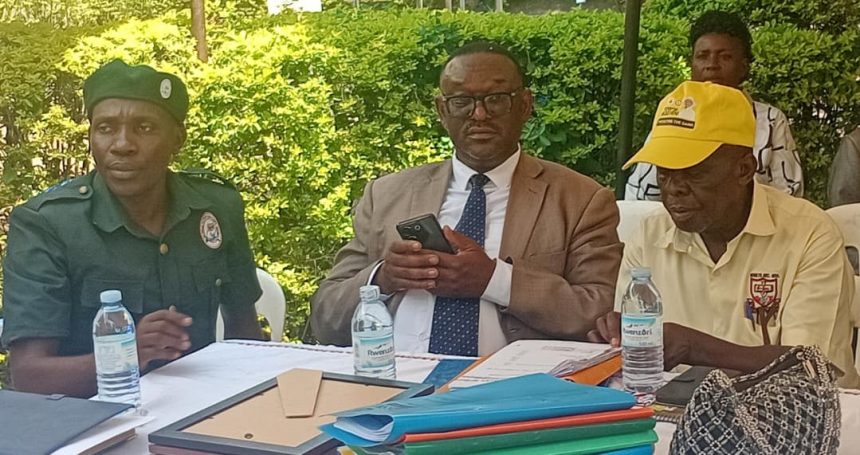
Speaking during a parents’ and teachers’ meeting held at Ndekye Senior Secondary School in Nyakasharu Sub-county, Mirembe warned that excessive punishment both at school and at home has left many learners depressed, forcing some to join bad peer groups, engage in risky sexual behaviour, and even attempt suicide.
At the same meeting, the Rubirizi District Education Officer, Biiru Stivin Warufu, urged teachers and parents to strengthen guidance and counselling services in schools. He emphasized the need to show learners love, care, and positive guidance while protecting their rights.
Warufu said the district is committed to reducing stress among learners, preventing self-harm, and curbing the increasing number of school dropouts. He warned that anyone found torturing learners through unlawful corporal punishment would face prosecution, noting that the Education Act discourages such practices. He called for mediation, forgiveness, and reconciliation instead of violence.
He also appealed to young people to seek help whenever they face emotional challenges rather than attempting suicide or abandoning school. Warufu encouraged learners to confide in parents, teachers, religious leaders, relatives, or trusted friends so they can receive proper guidance and counselling.

He revealed that the district education department has launched a sensitization campaign across schools and communities to educate parents and learners on the dangers of self-harm, drug abuse, and domestic violence. The campaign also aims to promote career guidance and counselling to restore learners’ confidence and encourage them to stay in school.
Meanwhile, the Archdeacon of Ndekye Archdeaconry, Rev. Canon Yorokamu Tayebwa, attributed the increasing cases of self-harm among learners to excessive academic pressure, fear of failure, family conflicts, lack of parental love, and harsh corporal punishment.

Rev. Tayebwa also cited substance abuse, alcohol consumption, untreated emotional struggles, and depression without counselling as major contributors to suicide cases among young people. He urged parents, teachers, religious leaders, and the community to work together in creating a supportive environment where children feel safe, valued, and free to seek help.