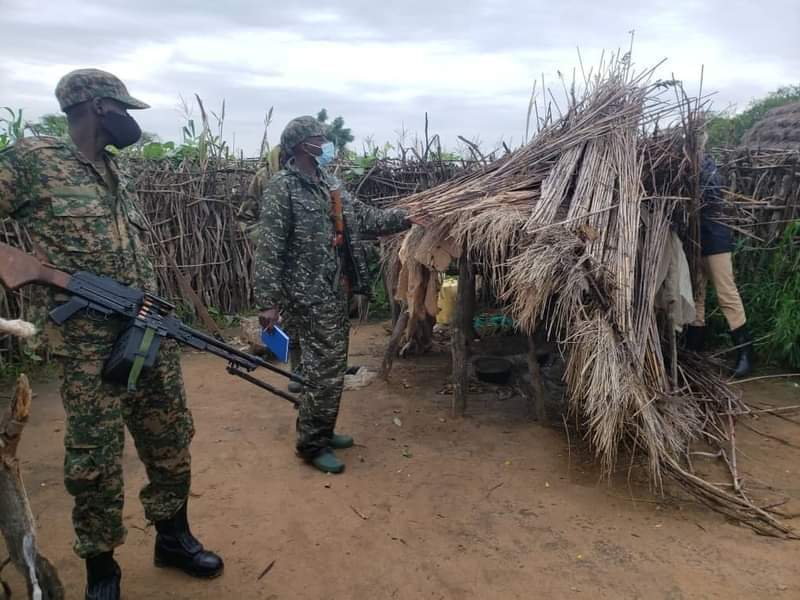
Karamoja, Uganda — During the disarmament exercise in Karamoja, the Karimojong and the UPDF soldiers were not seeing eye to eye. The Karimojong had regarded the UPDF as enemy number one, and seeing anyone in army uniform, even without a gun, would be the end of that person.
On the side of the UPDF, they were not bothered by that because their interest was to get rid of guns and bring peace to Karamoja.
As time went on, the relationship between the Karimojong and the UPDF kept improving slowly, as the army continued showing good behaviour towards the Karimojong, proving that their interest was the guns.
Today, as we speak, the relationship between the UPDF and the Karimojong has reached its highest peak, with many local patients now preferring to seek medical services in UPDF-established health units rather than going to government hospitals in the region.
Looking at the attendance of patients, especially in the outpatient department (OPD) in the army health units under the 3rd Division command, shows an increasing number of patients receiving treatment from these health units compared to government-established hospitals.

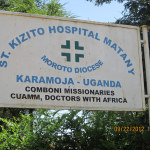
Records from the outpatient book for Matany 403 Army Health Centre III Brigade in Napak District show that in a week, this facility receives 600 to 700 patients. Nakapiripirit 407 Army Brigade Health Unit receives 560 to 700 inpatients and outpatients, while Nakapelimoru 405 Army Brigade Health Unit in Kotido District receives between 300 and 400 patients weekly.
At the division headquarters hospital, it receives about 700 to 800 patients every week.

You realise that most of the patients are from communities neighbouring the established brigades.
When you look at the records from the regional referral hospital, it shocks you, and the question is why civilians prefer getting treatment from military hospitals rather than public government ones.
One expectant mother I met at Matany Army Brigade Health Unit, by the name of Ms Betty Angolere, could not hide anything. She said they preferred going to seek health services at the army detachments because of the humanitarian heart exhibited towards patients by medical soldiers.
According to her, in the army-established health units, there is no harassment of patients by the soldiers working there. Medical soldiers treat everyone, whether civilian or soldier, the same way without discrimination.
One medical soldier working as a nurse at Matany Army Unit, who preferred to speak on condition of anonymity because they are not authorised to speak about services at the health unit, said most cases they register from patients include malaria, cough, and deliveries.
“When we have a mother with complications, we call for our military ambulance and refer her to a well-equipped government hospital for proper management,” she said.
I met again Gladee Nakiru, another mother who had taken her child for treatment at Nakapelimoru Army Brigade Unit. She said that in army health units, even if a patient does not have a medical book, the soldiers working at the health facility will always find ways of attending to the patient, which she said is not possible in government hospitals.
Nakiru confirmed that soldiers may use a tough voice while carrying out security operations, but when they are receiving patients, their tone changes to a friendly one, and this makes them love coming there for treatment.
With all this, the Ministry of Health now has a task to see why patients are running away from government hospitals and getting flooded into army health units. Yes, this can be a good gesture because the public now trusts the men and women in uniform, acknowledging that they are just our brothers and sisters; the only difference is their uniforms.