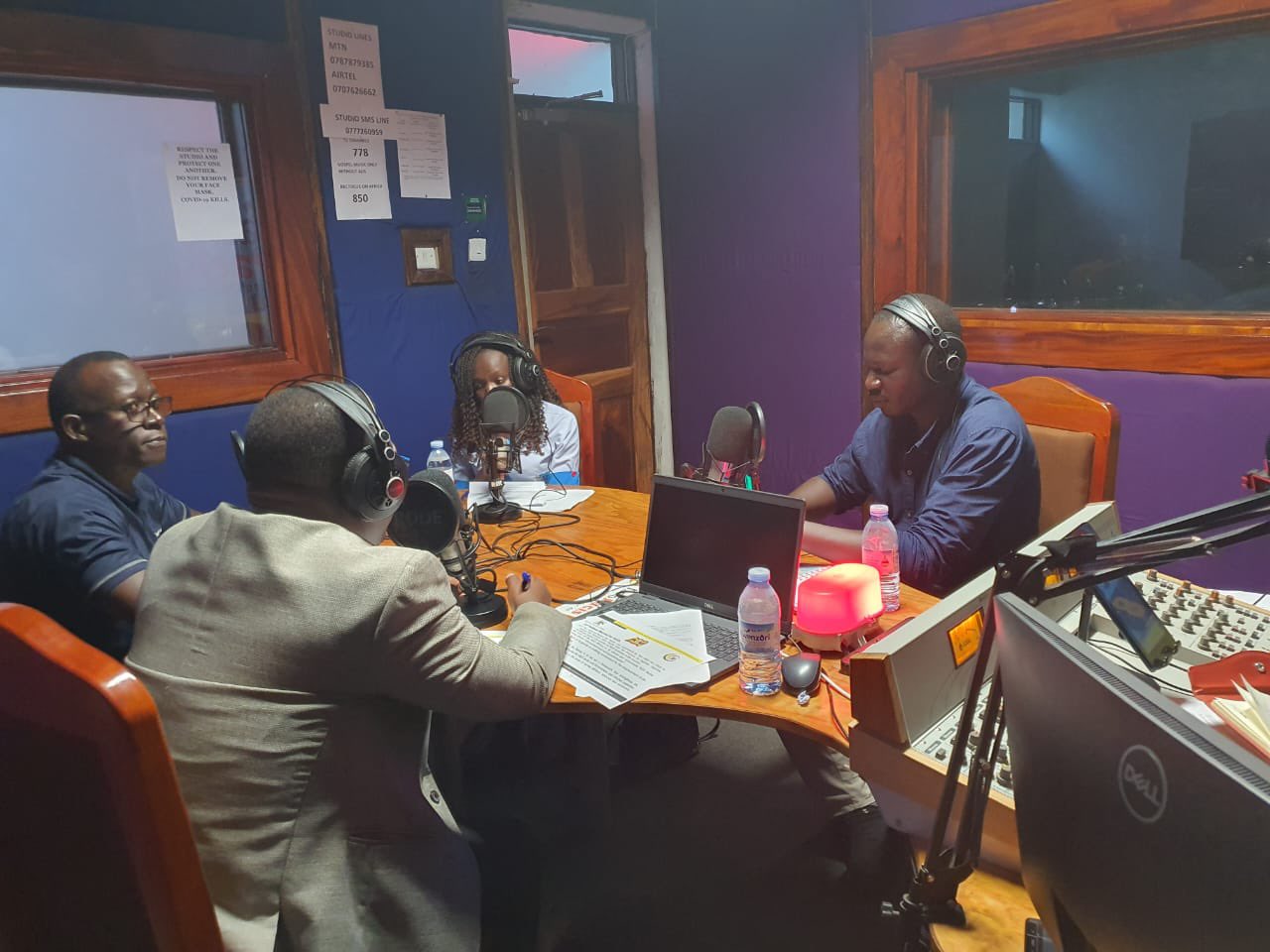
(West Nile) – Despite national trends showing a rise in television as a primary source of information, many residents in West Nile insist that radio remains their main medium. This sentiment follows the recent release of the 2024 National Population and Housing Census report by the Uganda Bureau of Statistics (UBOS), which indicated that television use in Uganda has doubled since 2014.
According to the report, 14 percent of Ugandans now use television as their primary source of information, a significant increase from previous years. Conversely, radio use has decreased from 55 percent in 2014 to 38 percent in 2024. The census also revealed that while 41 percent of Ugandans own radios, only 23 percent own televisions.
Despite acknowledging the findings, many West Nile residents argue that radio continues to be the most accessible and reliable source of information for them. Wilson Sanya, the mayor of Koboko Municipality, noted that the region’s unique challenges, particularly regarding electricity access, have kept radio at the forefront. He explained that many people can only access essential information through radio, especially in areas where televisions are not feasible.
The limited ownership of televisions in West Nile can be attributed to several factors, including the high costs associated with service fees and subscriptions, as well as the lack of consistent electricity. Godfrey Anguyo, a male councillor from Ayivu North in Arua City, highlighted that only one percent of the population in his area has access to electricity, suggesting that the census data may reflect conditions in more affluent regions of Uganda.
Sanya emphasized that youth often watch television in trading centers, primarily for sports and entertainment, rather than as a reliable source of news. “Most of the youth access TVs from trading centers where they watch football or at betting centers, which are focused only on entertainment,” he said.

Freda Janet, a local journalist, illustrated the disparity in her village, noting that only a few wealthy families can afford homes that allow for electricity connections. She attributed the low television ownership to both economic factors and community attitudes.
According to the Twaweza Sauti za Wananchi survey conducted in 2021, a similar trend is observed across East Africa, with radios serving as the primary source of information. The survey indicated that 52 percent of households in Uganda owned radios, while only 23 percent had televisions.

In Yumbe District, education officer Rasul Luriga stated that radio remains vital for disseminating important information, reaching over 95 percent of their target audience through this medium. He pointed out the financial barriers to television access, including subscription costs, as factors limiting its use.
Some younger residents acknowledge the trends reported by UBOS. Irene Keji, a South Sudanese refugee living in Arua City, noted that younger people prefer to watch live events, while older generations still lean toward radio. Joy Gie Rama, a Senior Two student from Springs Secondary School in Arua District, agreed that the youth of today prefer visual content over audio, reflecting a shift in how information is consumed.
Statistics from Twaweza Sauti za Wananchi from 2020 support this view, indicating that radio was the main source of information for 60 percent of Ugandans at that time. Television usage stood at 34 percent, while other sources like word of mouth, public meetings, social media, and newspapers occupied smaller portions of the information landscape.
© The Ankole Times. All rights reserved.
No part of this publication or its digital content may be reproduced,
distributed, published, broadcast, rewritten, or redistributed in whole
or in part without prior written permission from The Ankole Times.
For inquiries, contact: [email protected]
Stay informed and ahead of the curve! Follow The Ankole Times on WhatsApp for real-time updates, breaking news, and exclusive content.
Join The Ankole Times WhatsApp News Channel