Karenga District – For many families in Karenga, drought is no longer just an environmental challenge. As harvests fail and household incomes shrink, a growing number of girls are facing increased risks of school dropout, child marriage, and teenage pregnancies.
Across the district, climate change is intensifying existing social and economic pressures. Families struggling with food insecurity are often forced to make difficult choices, with girls frequently bearing the heaviest burden. In some cases, this leads to early school dropouts, early marriage arrangements, and heightened vulnerability to exploitation.
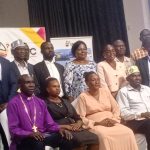
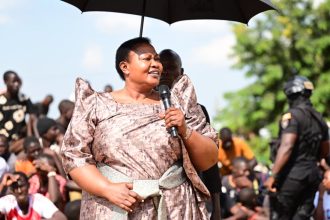
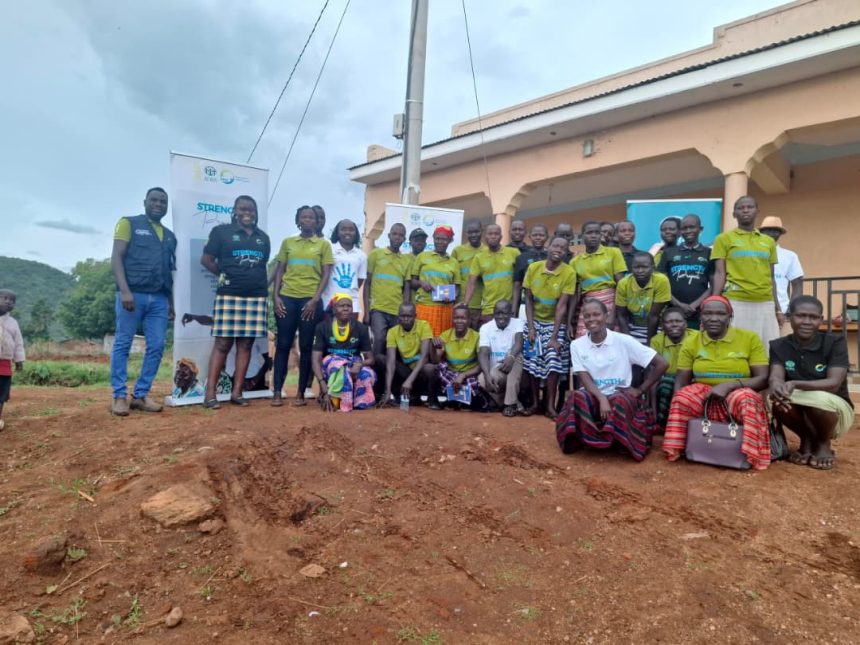
It is this growing intersection between climate change and child protection that formed the focus of a Community Baraza organized by Reproductive Health Uganda (RHU) in Kangole Parish, Karenga Town Council. The dialogue was conducted under the STRENGTH Project (Strengthening Community-Based Climate Adaptation in Uganda and Sudan) and brought together community members, local leaders, security officials, and development partners.
Speaking during the Baraza, RHU District Focal Person Florence Anero noted that climate-related shocks are deepening risks for vulnerable girls and young women in the district.
“When families lose their livelihoods due to climate-related challenges, girls are often the first to suffer. Through community dialogues, village savings groups, on-farm training, and awareness campaigns, we are empowering communities with knowledge and promoting actions that protect girls and support their education,” Anero said.

Participants identified poverty, poor parenting, alcoholism, child neglect, school dropout, peer pressure, child labour, and limited access to guidance and counselling services as key drivers of child marriage and teenage pregnancies in the district.
Community members said these challenges are increasingly linked to worsening economic conditions, which are weakening household stability and traditional protection systems for children.

Among the participants was Nakiru Esther, a community group leader, who credited Reproductive Health Uganda (RHU) for improving awareness and understanding of sensitive social and health issues in the community.
“Before RHU came to our community, many of us lacked knowledge about sensitive issues such as teenage pregnancy, child marriage, and sexual and reproductive health rights. We did not have enough information to guide our children and young people properly. Through the trainings and awareness sessions provided by RHU, we have gained valuable knowledge and understanding,” she said.
She added that the trainings have empowered community members and leaders to openly discuss these issues and support those in need of sexual and reproductive health services.
“We are now better equipped to educate others, protect our children, and promote healthier and safer communities. We appreciate RHU for the support and knowledge they have brought to our community,” Nakiru said.
Speaking on behalf of the LCV Chairperson, Karenga District Speaker Samson Olum commended RHU and its partners for providing a platform that enables communities to openly discuss sensitive issues affecting children and families.
“These discussions must lead to practical solutions that improve the lives of our children. Communities understand their challenges best and should actively participate in identifying sustainable solutions,” Olum said.
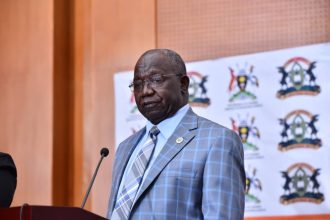
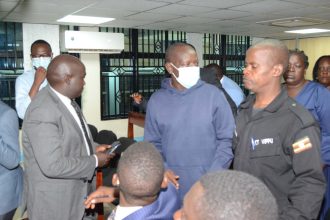
The Baraza also emphasized the need for stronger community action in reporting child abuse cases. District Internal Security Officer Edwin Kukundakwe urged residents to report defilement, child abuse, and other crimes promptly, stressing that timely information is critical for justice and prevention.
Meanwhile, Resident District Commissioner Kedi Ronald called on parents and community leaders to take greater responsibility in protecting children.
“Society itself is partly responsible for the persistence of child marriage and teenage pregnancies through neglect and failure to report offenders. Parents must know where their children are, guide them properly, and report perpetrators without fear,” Kedi said.
He also condemned the practice of giving alcohol to children and warned against illegal discos and other activities that expose minors to exploitation.
Participants noted that despite increasing awareness, some families still view girls as a source of wealth through bride price, a practice that continues to fuel early marriages and limit girls’ access to education.
By the end of the Baraza, community members agreed on a range of actions, including strengthening enforcement of child protection laws, improving reporting systems, supporting school retention, expanding adolescent-friendly health services, and promoting economic empowerment initiatives for vulnerable families.
The dialogue underscored a growing reality in Karenga: climate change is not only an environmental crisis but also a social one. As drought conditions persist and livelihoods become more fragile, protecting girls requires coordinated action from communities, government, and development partners.
In Karenga, efforts to address child marriage and teenage pregnancies are increasingly becoming part of a broader push to build climate-resilient communities where children can grow up safe, educated, and empowered to reach their full potential.