Uganda has been urged to place water resource management at the centre of its trade and industrialisation strategy, with experts warning that without reliable and sustainable water systems, the country risks undermining its export competitiveness.
Speaking during the 9th Uganda Water and Environment Week 2026 in Luzira, Oscar Kamukama, a director at the East African Business Council, said water should no longer be treated solely as a social service but as a critical economic asset.
“Without sustainable water systems, industries cannot operate efficiently, and this directly affects Uganda’s competitiveness in regional and international markets,” he said.

The five-day forum, held under the theme “Water and Environment for an inclusive and prosperous Uganda,” brought together policymakers, private sector players and development partners to explore investment opportunities in water, sanitation and climate resilience.
Mr Kamukama noted that sectors such as agro-processing, manufacturing and fisheries, which are central to Uganda’s export-led growth ambitions, depend heavily on a consistent and affordable water supply. He added that climate-resilient infrastructure is increasingly necessary to shield businesses from disruptions caused by extreme weather conditions.


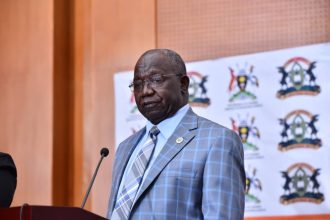
The discussions were also attended by David Bahati, who held engagements with private sector stakeholders as part of efforts to align trade policy with infrastructure development.
Mr Bahati said government is prioritising investments that support industrial expansion, noting that access to reliable water is essential for reducing production costs and improving product quality.

“We are looking at water as a strategic enabler for industrialisation and trade. Our policies must support sectors that depend on it if we are to achieve sustainable economic transformation,” he said.
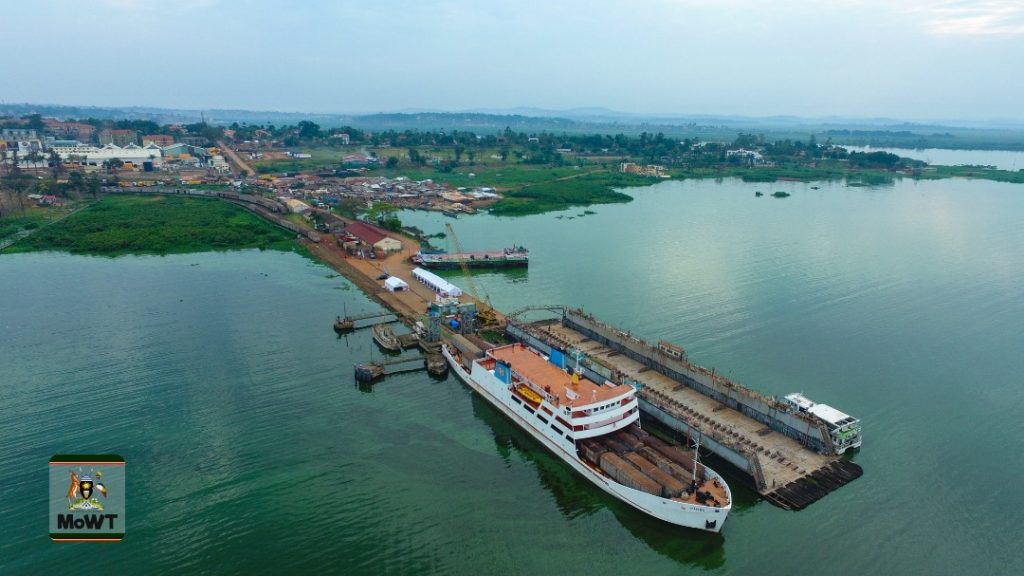
Stakeholders at the forum emphasised that improved water systems could attract more investors into Uganda’s industrial parks while strengthening regional value chains within the East African Community.
Ahead of the conference, the Ministry of Water and Environment signed partnership agreements with financial institutions, non-governmental organisations and private sector actors aimed at mobilising financing for water and sanitation projects. The partnerships are expected to enhance public-private collaboration and unlock funding aligned to environmental, social and governance standards.

Experts also warned that rapid urbanisation and industrial growth are placing increasing pressure on existing water infrastructure, calling for coordinated investment to meet rising demand.
As the forum concluded, participants agreed that aligning water investments with trade and industrial policy will be critical in positioning Uganda as a competitive player in the regional market, underscoring a growing consensus that water is a foundational pillar for economic transformation rather than merely a public utility.