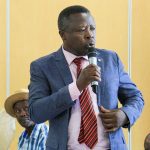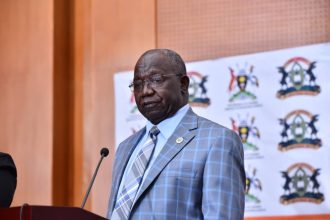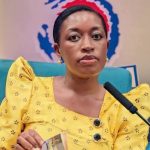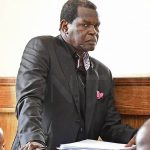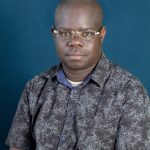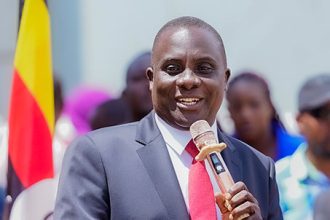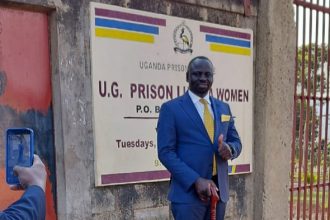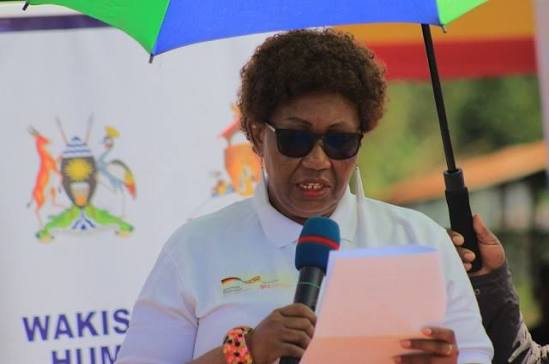
Three members of the Uganda Human Rights Commission (UHRC) have openly challenged their Chairperson, Mariam Wangadya, creating a standoff that has drawn significant public attention. The dispute intensified after Wangadya granted a media interview in which she detailed the difficulties she has faced while working with some commissioners and alleged that they are backed by MPs she previously reported to the President over corruption allegations.
Speaking to journalists on July 3, 2026, Wangadya revealed that she was warned about potential problems even before taking office in 2021. She said that shortly after her parliamentary vetting, two MPs escorted her out and one cautioned her that a commissioner she would work with was determined to frustrate her leadership and damage her reputation.
According to Wangadya, the warning quickly proved accurate. She recalled that her first encounter with the commissioner left her convinced that she was heading into a difficult working relationship, as the commissioner allegedly boasted about having previously influenced the removal of former Energy Minister Irene Muloni through a report submitted to the President.
The UHRC Chairperson said she had never experienced such hostility throughout her professional life. She alleged that the commissioner repeatedly told her that security agencies such as the Internal Security Organisation (ISO) and Chieftaincy of Military Intelligence (CMI) had several files concerning her.
Despite those claims, Wangadya said she remained calm because she knew she had conducted herself professionally throughout her public service career. She emphasized that since joining government service in 1996, neither her integrity nor her loyalty to Uganda had ever been questioned.
She further claimed that she was constantly reminded that she was not born in Western Uganda and was repeatedly told that she would not survive her full six-year term as Chairperson of the Uganda Human Rights Commission.
Wangadya also accused some commissioners of fueling reports suggesting that she was under investigation. She described the allegations as part of a coordinated campaign intended to discredit her and undermine her leadership at the Commission.
According to her, the campaign is being financed by politicians whom she previously accused of soliciting bribes. She argued that the commissioners alone could not have sustained the level of media attacks she says have been directed at her over an extended period.

The Chairperson specifically alleged that one MP against whom she testified in court has played a central role in supporting the campaign against her. She also claimed that a certain media organization has actively amplified negative coverage targeting her.
Wangadya said that although President Yoweri Kaguta Museveni eventually forgave the MPs involved in the earlier corruption case, they have never forgiven her for reporting the matter. She maintained that she merely carried out her duties and did nothing wrong.
During the interview, she appealed to the Director of Public Prosecutions (DPP) to reopen a case in which she was the complainant. She noted that she had already testified and was willing to be cross-examined so that the truth of her claims could be fully tested in court.

She argued that if the prosecution cannot be revived, she should be allowed to release an audio recording connected to the matter so that the public can better understand the origins of the hostility she continues to face.
Wangadya also used the opportunity to address the issue of appointments to the Uganda Human Rights Commission. She emphasized that the Commission is entrusted with protecting and promoting the rights of Ugandans and therefore requires leadership composed of credible and competent individuals.
Referring to the Constitution, she noted that commissioners are expected to be persons of high moral character and proven integrity. She expressed concern that some members of the Commission may not meet the standards envisioned by the law.
The Chairperson highlighted her own record in public service, pointing out that she has served for 30 years, including eight years as Deputy Inspector General of Government and a period as Acting IGG. She said she consistently rejected bribes and resisted pressure from powerful individuals seeking favors.
She concluded by dismissing allegations that she misappropriated funds at UHRC, arguing that the institution operates with limited resources. Wangadya maintained that if she were the corrupt official some critics portray her to be, she would have accumulated wealth long before joining the Commission. She urged media organizations to verify allegations through the Inspectorate of Government and to report responsibly and accurately on the ongoing controversy.