

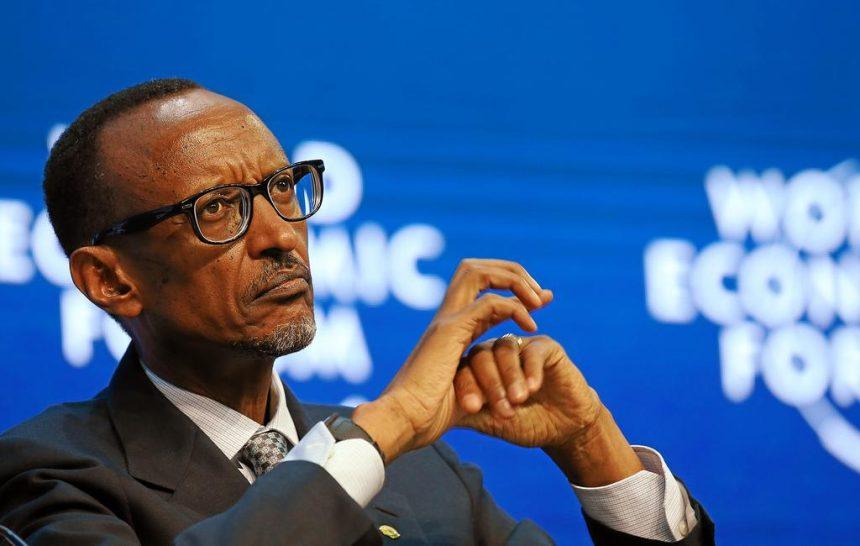
Rwandan President Paul Kagame has sparked widespread alarm with remarks about religion and Christian communities in the country. In a recent conversation with Rwandan media personality Oswaki, Kagame dismissed churches as “full of criminals” and suggested that Rwandans should “go farm and pray on your phones” instead of attending services. He also criticized African Christians for being influenced by colonialism, hinting that more church closures could be on the way.
These statements follow years of restrictions on religious practice in Rwanda. Thousands of churches have been shut down, often after spending large sums of money to meet government-imposed building regulations. Even when churches comply, many remain closed without transparency or due process, leaving believers frustrated and disenfranchised.
Supporters’ Perspective:
Some voices defend Kagame’s stance, arguing that religion in Africa has historically been used as a tool of oppression, keeping communities in cycles of dependency and underdevelopment. They contend that encouraging people to focus on practical work while maintaining personal faith—such as “praying on your phones”—could help shift attention to economic and social progress, rather than hierarchical church structures.
Concerns for Religious Freedom:

Despite these arguments, critics say Kagame’s remarks are a direct attack on freedom of worship—a fundamental human right. By mocking believers and controlling where and how they pray, the government risks undermining the spiritual identity of millions of Rwandans. Human-rights defenders, religious leaders, and the international community warn that the repression of churches in Rwanda is systematic and dangerous. Leaders have no authority to criminalize worship or dictate how people practice their faith. Respect for religious freedom remains essential to human dignity, and global attention is needed to address this growing hostility toward faith communities in Rwanda.












Good morning Rwanda and Africa at large, I write with deep concern about especially the way our brother, president Paul Kagame is handling the issue of worship in Rwanda.
The mear fact that our brother holds the name Paul is an automatic message for Christianity, Paul’s Epistles in the New testament are foundational ethics for religious chronology and Christianity.
So the questions for argument are ;
_exploitation by church heads, as extortion.
_betterment of economy by not going to church buildings rather pray on radio.
_make space for work than wast time in worship houses.
This Prescidence is against freedom norms of worship, it is a direct infringe on the rights that churches must enjoy given the subscription levy that is duely met .All power comes from God, leadership, grace, mercy, peace, love, patience, the list is endless.
Which man can judge praise and worship with human nature ? Leave the things of God for God. It is God who can discipline the the things of God, not man.
Those in the names of ” being exploited are mature enough to determine their future.
If there is no political instability caused by worship or church houses, then leave the rest to the creator of the heavens and the earth, for they and we belong to Him.
Love you all.