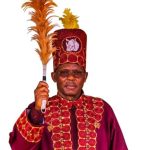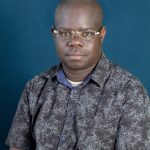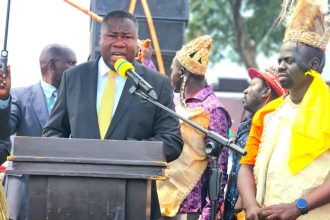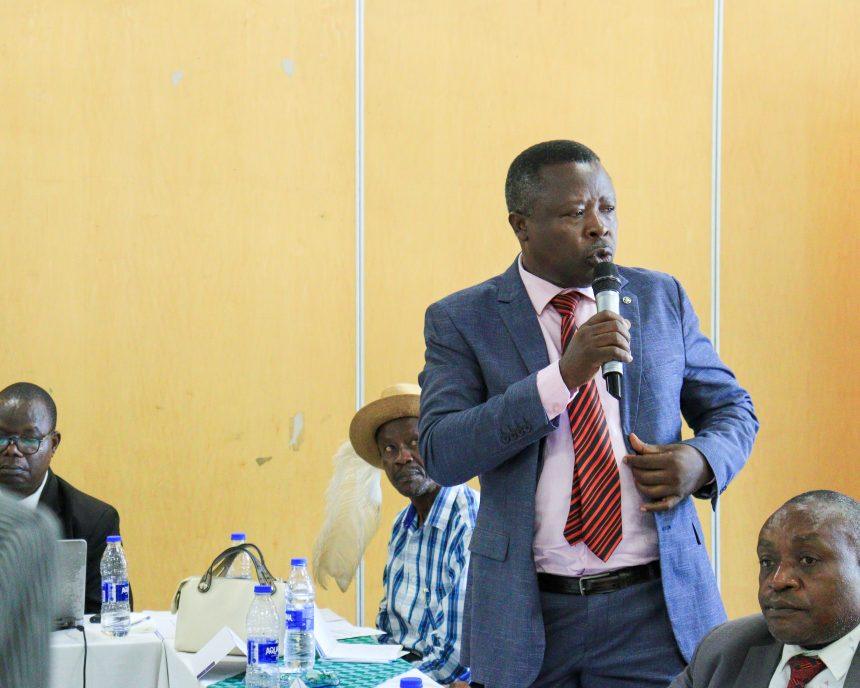
The Spokesperson of the Bugisu Cultural Institution, Steven Masiga, has issued a detailed response to recent submissions by Prof. Oweyegha Afunaduula concerning governance, Parliament, the Judiciary, and traditional institutions in Uganda.
Masiga, who describes himself as an interdisciplinary legal scholar from Bugisu, said he was compelled to respond after Prof. Afunaduula’s article circulated widely across media platforms, raising concerns about alleged tribalism, parliamentary interference in court rulings, subordination of the Judiciary, digital surveillance, suppression of intellectual life, and the status of traditional institutions under the NRM government.
On Tribalism and Migration
Masiga argued that migration in Uganda dates back approximately 500 years and that no group can claim exclusive aboriginal status. He cautioned against framing political discourse along tribal lines, noting that Uganda’s communities have evolved through continuous migration and interaction.
On Parliament and Court Rulings

Responding to claims that Parliament alters court decisions, Masiga cited Article 92 of the Constitution, which discourages interference with court rulings. However, he questioned which specific decision had allegedly been altered.
He emphasized that Article 79(2) of the Constitution grants Parliament authority to make laws for the peace, order, development, and good governance of Uganda. He referenced the UPDF Act as an example of legislation enacted under constitutional mandate.

Masiga further noted that institutions such as the Court Martial are created by Parliament for specialized military trials and have been recognized by superior courts. He maintained that legislative authority derives from the Constitution and cannot be usurped.
On Traditional and Cultural Institutions
Addressing claims that the NRM government restored traditional institutions but rendered them powerless, Masiga argued that executive authority in modern constitutional democracies is vested in elected governments, not monarchs.
He cited comparative examples, including constitutional monarchies such as the United Kingdom, where executive authority rests with Parliament and the Prime Minister.
Masiga also recalled that traditional institutions in Uganda lost executive power during colonial rule and were formally abolished under the 1967 Constitution before later being restored under constitutional limitations. He said their roles are properly defined as cultural rather than executive or legislative.
On the Independence of the Judiciary
On allegations of judicial subordination, Masiga pointed to Article 128(1) of the Constitution, which guarantees the independence of the Judiciary and prohibits interference by any authority.
He noted that judicial officers themselves bear responsibility for safeguarding that independence within the constitutional framework.
On Intellectual Freedom and Digital Surveillance
Masiga dismissed claims of intellectual suppression, arguing that the very existence of public criticism and academic debate demonstrates space for intellectual engagement.
Regarding digital surveillance, he stated that sovereign states retain authority to enact laws regulating conduct for security and public order purposes. He emphasized that Parliament’s legislative mandate flows directly from constitutional provisions.
“Uganda remains a sovereign constitutional democracy where Parliament exercises legislative authority as provided by the Constitution, cultural institutions operate within defined limits, and the Judiciary is protected by constitutional safeguards” Said Masiga
He called for debates on governance and constitutional matters to remain grounded in legal interpretation and historical context.