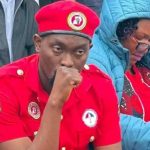
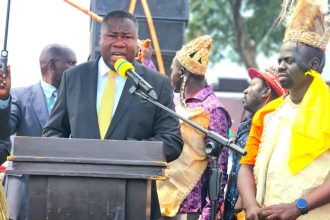
Bugisu Cultural Institution has formally appealed to Hon. John Nambeshe, the Member of Parliament for Manjiya County, urging a cessation of his public criticisms and inviting private dialogue to resolve their differences.
In a detailed letter dated July 11, 2025, the Institution’s Spokesperson, Steven Masiga, expressed concern that the legislator’s use of radio stations and public forums to challenge the leadership of His Highness Jude Mike Mudoma, the Umukuka III, has been damaging to the cultural body’s image.
The communication strikes a tone of respectful admonishment, acknowledging Nambeshe’s past support while stating that his recent stance is “very troubling.” The Institution deliberately chose to write a private letter rather than engage in a public media battle to avoid any perception of interfering with the MP’s 2026 parliamentary aspirations, adhering to the legal principle of audi alteram partem (hear the other side).
The letter meticulously outlines the Institution’s constitutional mandate, citing Uganda’s Constitution Article 246 and the Cultural Leaders Act of 2011, which prohibit cultural institutions from political involvement and restrict their role to preserving cultural values and promoting development for all community members regardless of political affiliation.
This legal framework, the letter notes, was the basis for the Umukuka’s welcoming reception of Nambeshe and his principal, Bobi Wine, during a previous festival visit—an event the Institution described as unplanned and lacking proper clearance but permitted in a spirit of inclusivity.

Addressing the core of the MP’s criticisms, the Institution mounted a robust defense of the use of the name “Bugisu,” countering claims that it represented an recent change.
The spokesperson provided historical, legal, and anthropological context, referencing pre-independence documents, the works of historical scholars, and the names of established entities like the Bugisu Parliamentary Caucus.

The letter argued that recent governmental recognition of these names was a lawful affirmation of existing custom, not an innovation.
The Institution declared all prior internal disputes resolved through Alternative Dispute Resolution and extended an open-ended invitation for dialogue to all MPs from the region. It reaffirmed that allegiance to the cultural institution is voluntary but requested that detractors maintain peace and decorum.
The letter was signed with the traditional closing, “Linda Lukoosi” (I remain watching over the homeland), and copied to the Umukuka, the Prime Minister, and the Minister for Culture of Bukuka.