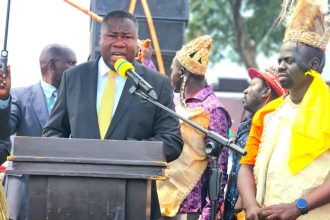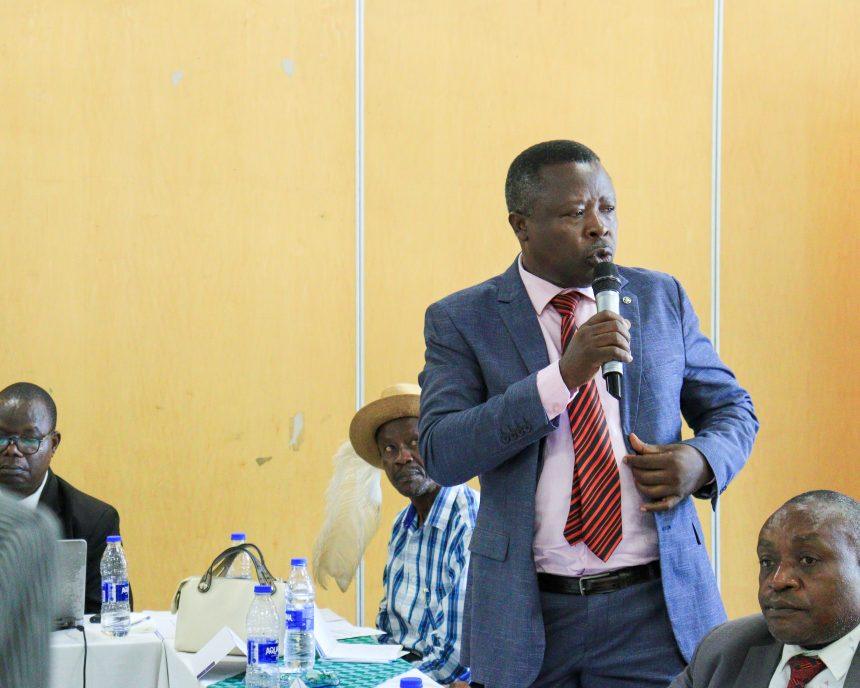
Mbale City, Uganda — Lawyers in the Bugisu region and across Uganda have been urged to respect court processes and uphold the sanctity of the judiciary. This caution was issued by the spokesperson of the Bugisu Cultural Institution, Steven Masiga.
Masiga made the remarks today on behalf of the Bugisu Cultural Institution at the Court of Appeal Civil Division session currently taking place in Mbale City, which is scheduled to run throughout the week.
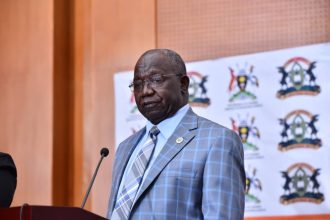
The Court of Appeal is holding its regional sessions in Mbale, and spokesperson Bukuka was among the notable speakers at the function. Other dignitaries in attendance included the RCC Mbale City, Hon. George William Wopuwa; the RDC Mbale District, Mr. Bayole Stanley; the Regional Police Commander, Mr. Samuel Asimwe; and the Regional CID Elgon, Mr. Johnson Monday Agaba.
Masiga cautioned lawyers against infringing on constitutional provisions, particularly Article 128, which guarantees the independence of the judiciary. He noted with concern that some lawyers issue “cease and desist” letters even when matters are already before court.
“Which law schools did they attend?” he questioned, emphasizing that once a matter is before a competent court, advocates should only make formal applications for court orders rather than attempt to usurp judicial authority.

He stressed that only judicial officers have the mandate to issue court orders, not lawyers. He further urged advocates to distinguish clearly between lawful court orders and ordinary legal correspondence, noting that many people often confuse notices of intention to sue with official court documents.
“I therefore invite all advocates present here to clearly distinguish between lawful court orders and lawyers’ letters. I also alert my people in Bugisu to be on the lookout,” Masiga emphasized.

Quoting the realist school of thought, Masiga said that the law is not fully known in advance until courts of law pronounce themselves on specific matters. He highlighted the central idea of legal realism, stating that “the prophecies of what courts will do is what I mean by law.”
He concluded by advising lawyers to exercise patience and wait for court decisions before determining the actual legal position.
Masiga also welcomed Justice Kiryabwire’s promotion of Alternative Justice Systems within cultural institutions, particularly in addressing land disputes and other community matters.
The judicial panel at the session includes Justice Kiryabwire, Court Administrator of the Court of Appeal; Justice Nakachya; Justice Dollo; Mbale High Court Resident Judge, Justice Dr. Farooq Lubega; Justice Kabisibayo of the High Court Mbale; and the Deputy Registrar of Mbale High Court, His Worship Fred Waninda.