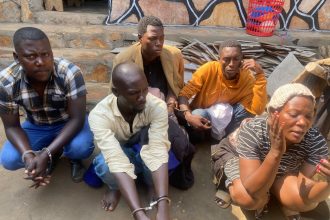
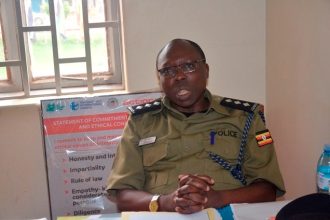
Uganda’s Ambassador to Malaysia, Betty Bigombe, has confirmed the release of twenty-three out of more than thirty Ugandans held captive in Myanmar. The victims were freed after three months of intense negotiations with rebel group leaders in Myanmar’s ongoing conflict against the military rulers. The insurgency began in February 2021, leading to the formation of the Three Brotherhood Alliance, uniting ethnic armed bands.
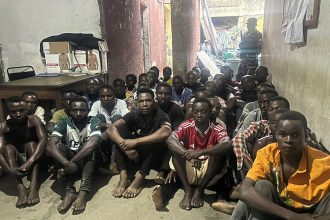
Initial reports indicated that about 34 Ugandans had been lured to Myanmar under false promises of lucrative job offers. However, upon arrival, they were subjected to human trafficking schemes orchestrated by criminal cartels in rebel-controlled territories. Contrary to earlier claims suggesting Ugandan involvement in rebel activities, Ambassador Bigombe clarified that the captives were exploited in slave-like conditions, forced to work long hours, and used to perpetrate online scams targeting individuals worldwide.
The freed individuals recounted harrowing experiences of living in squalid dormitories, enduring brutal working conditions for up to 17 hours a day, and facing physical abuse if they failed to comply with orders. Despite the promise of financial gain, they were hardly paid for their labor, a stark betrayal of the hopes they had when they initially left Uganda.
While most of the captives were released, one individual, Yusuf Lukyamuzi, was unexpectedly denied freedom by the captors at the last minute. The reasons behind this decision remain unclear, causing concern among diplomats at Uganda’s mission in Kuala Lumpur, which oversees consular and diplomatic services for Ugandans in several Asian countries.
Efforts are now underway to support the freed individuals as they await processing for their return to Uganda. However, challenges persist due to the limited resources of Uganda’s embassy in Malaysia, which faces financial constraints in responding to diplomatic emergencies.

The plight of Ugandans in Myanmar sheds light on the broader issue of human trafficking in Asia, where criminal syndicates prey on vulnerable individuals from various countries. Reports suggest that thousands of individuals, including Ugandans, are trapped in “scam factories” along Myanmar’s border with Thailand, involved in fraudulent schemes targeting victims worldwide.
Ambassador Bigombe revealed that the criminal cartels demanded ransom for the release of each Ugandan, which Uganda refused to pay. Instead, negotiations, networking, and leveraging past experiences in conflict resolution were instrumental in securing the captives’ freedom.

Despite the successful rescue, concerns remain for the ten Ugandans who declined to share their details, fearing that the rescue efforts would fail. Ambassador Bigombe remains committed to their freedom and continues to advocate for their release.
Uganda has expressed deep concerns to the government of Thailand regarding the issuance of tourism visas to individuals involved in human trafficking. The collaboration between countries and international agencies is essential in combating modern slavery and ensuring the safety and well-being of vulnerable individuals worldwide.