KAMPALA, Uganda – As Uganda grapples with rising cases of house breaking and burglary, the Deputy Resident District Commissioner for Amolatar, Mr. Obonyo Magwar, has called for a radical rethink of architectural designs to integrate home security features directly into building structures.
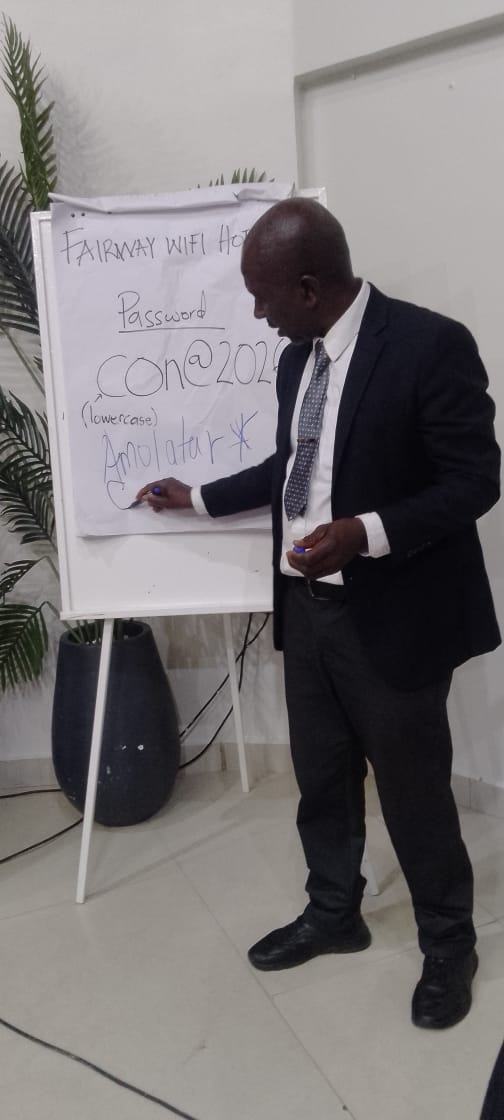
Speaking at the just-concluded 3rd National Cultural Heritage Conference on May 5, 2026, at Kampala’s Fair Way Hotel, Mr. Obonyo argued that well-crafted architectural innovations could help farmers and PDM beneficiaries protect poultry and other valuables without relying on expensive digital security gear or hiring guards.
The conference, held under the theme “Urbanisation without eraser: architectural heritage in Uganda’s changing urban centres,” drew participants from the Ministry of Tourism, Wildlife and Antiquities, the Uganda Physical Planning Association, the Buganda Kingdom Tourism Board, and the Cross Cultural Foundation, among others.
Mr. Obonyo broadened his concerns beyond residential security, challenging the discipline of architecture to take a lead in strategic national planning. He proposed the erection of mass protection bunkers capable of sheltering communities during catastrophes or external armed attacks.

Directing his remarks to Mr. James, chairman of the Uganda Physical Planning Association, the deputy RDC urged that architectural training and practice should actively contribute to national defence infrastructure.
Drawing on cultural heritage, Mr. Obonyo shared stories and photographs of a colonial chief’s safe still intact inside a house in Aputi, now a sub-county in modern Amolatar. He used this example to illustrate how historical designs could inspire contemporary security solutions.

He also revealed that Amolatar district, through the office of the District Community Development Officer, Mr. Otile Patrick, has already begun identifying, documenting, and registering historical sites. One such site is a colonial cotton sorting, storage, and marketing facility on land owned by Amolatar Secondary School.
Mr. Obonyo proposed transforming the facility into a community baraza centre and collection hub for high-value perennial crops such as coffee and cocoa—crops Amolatar’s production office has already embraced for long-term wealth creation.
The deputy RDC took the opportunity to invite participants to visit the centre of Uganda at Abako, a gazetted national asset he described as having potential to become an international tourism hub, with ripple effects of attracting businesses and creating local employment.
The conference ended with a unanimous call from the organisers—the Department of Museums and Monuments—posing the question: “Do we demolish and forget, or adopt and remember our past?”
The message, championed by the current Miss Tourism pageants, will be carried forward to the next major tourism event: the International Museum Day celebration on May 18, 2026, at the Rugby Grounds in Jinja.