KASESE, Uganda — As environmental degradation tightens its grip on Kasese District, religious leaders are stepping beyond the pulpit and into climate action, warning that unchecked destruction of nature is pushing communities closer to disaster.
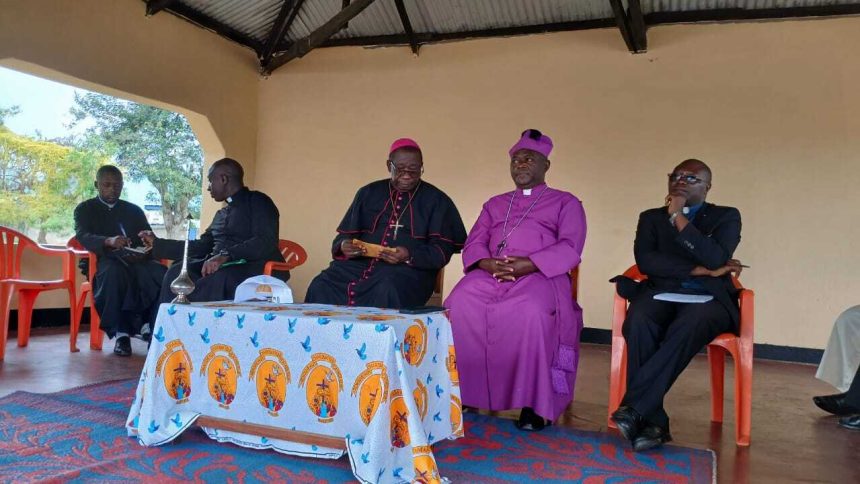
During the launch of a diocesan tree-planting campaign at Uganda Martyrs Nyakasanga Catholic Church in Nyamwamba Division, faith leaders from across Kasese used the gathering to send a strong message: protecting the environment is now both a spiritual and survival obligation.
The campaign, led by the Roman Catholic Diocese of Kasese as part of preparations for the 2026 Uganda Martyrs’ Day celebrations, draws inspiration from Pope Francis’ Laudato Si’ call for environmental stewardship.
Bishop Francis Aquirinus Kibira of Kasese Diocese painted a worrying picture of increasing ecological destruction, particularly the encroachment on water bodies and depletion of vegetation on the Rwenzori Mountains — a region critical to the district’s environmental stability.
He pointed to alarming scenes at Kayanja Landing Site in Nyakiyumbu Sub-county, where plastic waste and poor waste disposal are already altering water levels and pushing them dangerously closer to human settlements.
According to Bishop Kibira, such practices not only degrade the environment but also heighten the risks of climate-related disasters, including flooding, landslides, and water scarcity.

In a bold shift from traditional church practices, Bishop Nason Baluku of South Rwenzori Diocese revealed that the Anglican Church has introduced an environmental requirement for baptism, with parents now expected to plant trees before their children can be baptized.
The move signals a growing trend among religious institutions to integrate environmental conservation into faith practices, using religion as a tool for long-term behavioral change.

Kasese Municipal Senior Environmental Officer Evelyn Mugume reinforced the warning by cautioning residents against wetland destruction, poor garbage disposal, and unsustainable land use, all of which continue to threaten the district’s fragile ecosystem.
Environmental advocates also encouraged residents to plant fruit trees, not only to restore degraded landscapes but also to improve household incomes and food security.
With Kasese frequently affected by floods, mudslides, and changing weather patterns, religious leaders say environmental conservation can no longer be left to government agencies alone, it must become a shared moral responsibility.
Their message is clear: saving the environment is no longer just about nature, but about protecting lives, livelihoods, and future generations.