RUBIRIZI, Uganda — Health officials in Rubirizi District have raised fresh concern after the district recorded 132 new HIV infections in just three months, with alcohol abuse, substance misuse, stigma, untreated sexually transmitted infections (STIs), and risky sexual behavior cited as major drivers behind the rising numbers.
According to district health authorities, Rubirizi currently has more than 5,145 people living with HIV/AIDS out of a total population of 172,982, signaling a significant public health challenge that is increasingly affecting youth, women, and vulnerable communities.
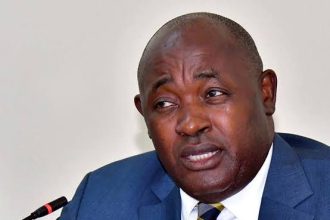
Speaking on the growing crisis, District Health Officer Dr. Aidah Nankyinga urged residents to prioritize regular HIV testing and early treatment, emphasizing that knowing one’s HIV status early can save lives and reduce further transmission.
Dr. Nankyinga warned that new infections remain persistent, particularly among young people and women, and called for stronger community awareness, parental involvement, and open discussions about sexual health to protect future generations.
She stressed that parents must take a more active role in educating children and adolescents about HIV prevention, sexual responsibility, and the dangers of stigma.

Rubirizi health officials revealed that women continue to bear the heaviest burden of infection, with 3,224 females living with HIV compared to 1,789 men. Data also shows that infection rates are highest among adults aged 30 and above, with 1,595 cases recorded among those aged 30–39 and 2,429 among people aged 40 and above.
Children and adolescents remain affected as well, with 64 children aged 0–9 and 195 adolescents aged 10–19 currently living with HIV in the district.

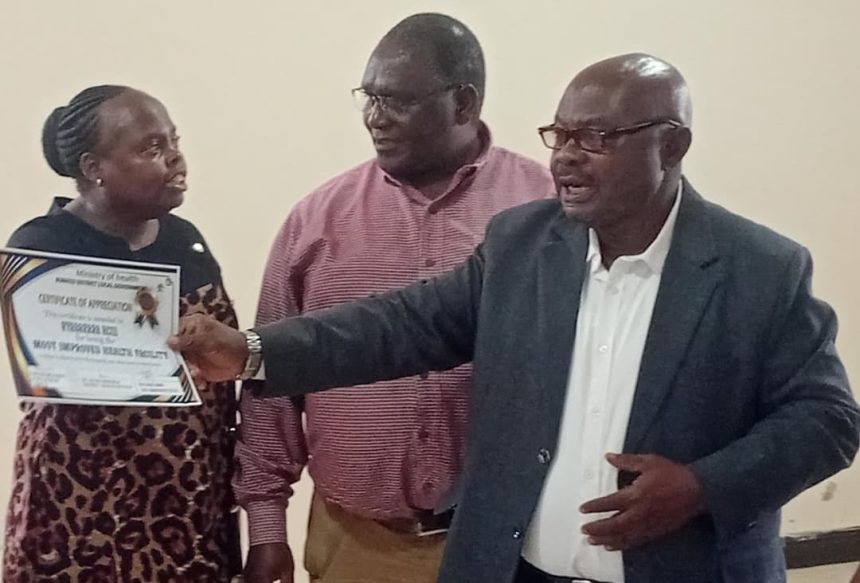
Dr. Nuwamanya Primu, the In-Charge of Rugazi Health Centre IV, said the facility alone is caring for over 2,118 HIV patients “about 41 percent of all HIV cases in Rubirizi District” making it one of the district’s largest treatment centers.
The most affected areas include Katunguru Sub-county, Kicwamba Sub-county, and Rubirizi Town Council, where positivity rates remain particularly high.
Health experts also linked the spread of HIV to poverty, transactional sex, cross-generational relationships, domestic violence, and limited access to economic opportunities, especially for women and youth.
Officials are now calling on government agencies, community leaders, parents, and development partners to prioritize economic empowerment programs, HIV awareness campaigns, and access to treatment services to curb new infections.
As Rubirizi battles rising HIV numbers, health leaders insist that ending stigma, promoting responsible behavior, and strengthening prevention efforts will be critical in reversing the trend.