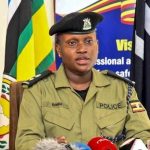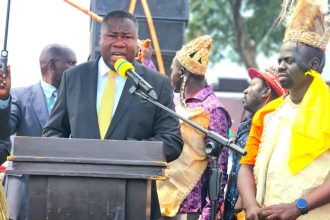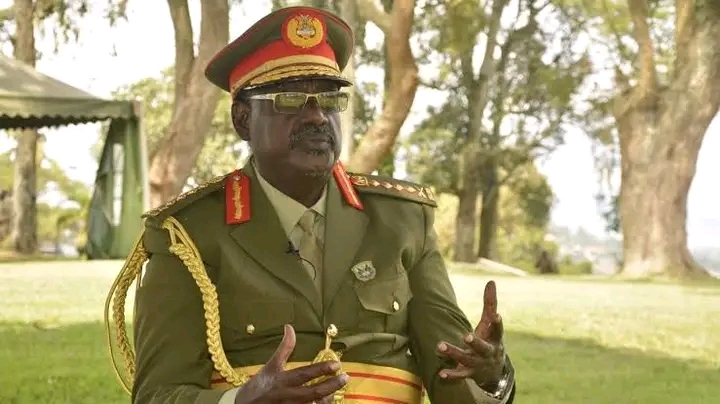
Former intelligence chief Gen. David Sejusa, once known as Tinyefuza, has called for a constitutional change to allow the president-elect to be sworn in just one week after the declaration of election results.
Sejusa argues that the current gap between the announcement of results and the inauguration creates what he describes as “an absentee government,” leaving citizens without visible leadership during a critical transition period.
Under Uganda’s current Constitution, the president-elect is usually sworn in within 30 days of results being declared by the Electoral Commission. This transition period is meant to allow for formal handovers and legal preparations, but critics say it can sometimes leave a noticeable vacuum in government presence.
Gen. Sejusa highlighted the issue with a recent example: when the Kabaka of Buganda, Ronald Muwenda Mutebi, visited victims of a fire at a cultural market in Katwe, Kampala, it was seen as a gap in government action. According to him, despite the capital having several Members of Parliament, ministers, a Lord Mayor, and local councillors, no government officials were immediately present to assist the affected citizens.
He says shortening the time between the results announcement and the swearing-in could ensure the government is more visible and responsive to urgent issues, avoiding situations where traditional leaders or other figures end up filling roles that should be handled by official government representatives.
Sejusa’s proposal has sparked discussions about balancing the need for orderly transitions with the desire for more immediate government engagement after elections. How the idea might be implemented would require formal amendments to the Constitution, which would need parliamentary approval and public debate.
Currently, Ugandan law allows up to 3 month for the official handover, a window that supporters of the current system argue ensures stability, while critics like Gen. Sejusa argue it leaves citizens in limbo.