Health authorities in Kitagwenda District have confirmed an outbreak of Anthrax after laboratory tests verified three positive cases out of ten suspected infections reported earlier this month.
The District Health Officer, Dr. Irene Kahimakazi, said the suspected cases were first identified on April 2, 2026, at Ntara Health Centre IV, where patients sought medical attention with a range of alarming symptoms.
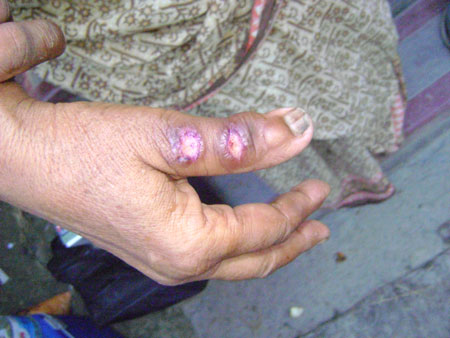
According to Dr. Kahimakazi, the affected individuals presented with skin ulcers on the hands and legs, headaches, general body weakness, nausea, vomiting, abdominal pain, cough, and the distinctive black skin lesion known as eschar—a key clinical sign associated with anthrax infection.
“Laboratory results later confirmed three of the cases as anthrax, and all the confirmed patients are male,” she noted, adding that the patients are currently receiving treatment in isolation as health teams monitor their condition.
Preliminary investigations into the source of the outbreak suggest that the infections may be linked to the handling of carcasses of animals that died under unclear circumstances. Authorities believe this exposure could have facilitated the transmission of the disease to humans.

In response, district health teams have launched an emergency community sensitization campaign aimed at raising awareness about the dangers of handling dead animals and promoting early reporting of suspected cases. Residents are being urged to avoid contact with animal carcasses and to seek immediate medical attention if they develop symptoms.
The World Health Organization describes anthrax as a serious bacterial infection caused by Bacillus anthracis, which primarily affects herbivorous animals but can be transmitted to humans through contact with infected animals or contaminated animal products.

Local authorities say surveillance has been intensified across the district, with rapid response teams deployed to contain the outbreak and prevent further spread.
The situation remains under close monitoring as health officials race to contain the disease and protect communities from further infections.