A visit to Mbarara Regional Referral Hospital (MRRH) reveals that the Physiotherapy Division stands out as a bustling unit with a high volume of patients. Established in the 1980s by the late Godwin Kasaija Apuli, this unit has seen exponential growth, with 30 to 50 patients attending daily and numerous success stories recorded.
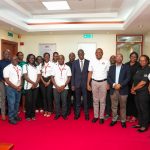
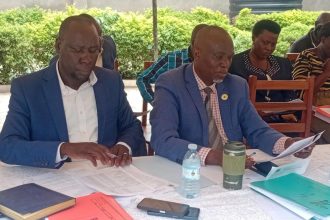
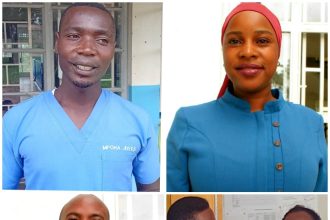
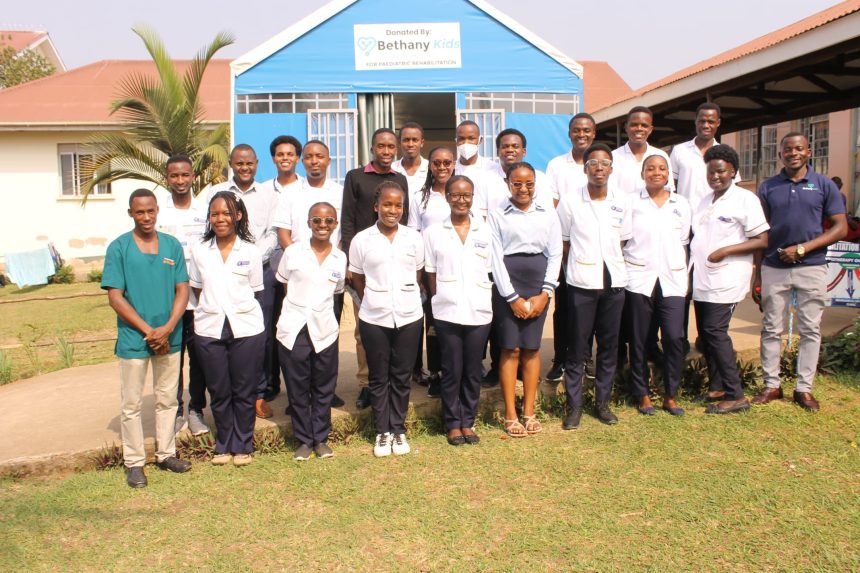
To commemorate World Physiotherapy Day, the Hospital Administration and Physiotherapy Division held a mini-event attended by physiotherapy staff, students, and Halson Kagure, the Hospital Public Relations Officer, who represented the administration.
Ms. Night Atwongyeire, Senior Physiotherapist, highlighted the high demand for physiotherapy services, catering to both inpatients and outpatients.
A notable success story is that of 65-year-old Lubega Kakooza, a survivor of a bathroom fall. Six months ago, Kakooza, a resident of Biharwe Division—one of Mbarara’s leafy suburbs—was brought to the hospital in a helpless state and was recommended for physiotherapy. Despite initial reluctance, his family enrolled him, and he has now regained mobility, even driving himself.
Atwongyeire explained that physiotherapy treats conditions unresponsive to medication or complements other treatments, with outcomes dependent on the severity and duration of the condition. Patients range from children to fistula patients, stroke patients, and accident survivors.

However, delayed physiotherapy can hinder recovery, and some patients arrive with complications from traditional bone setters, potentially prolonging recovery or costing lives.
She stated that time and again, they have seen patients who have come from traditional bone setters with poorly managed bones, exposing them to long recovery periods or further complications.

Many times, Dr. Deus Twesigye, Acting Director, has urged city authorities to regulate traditional bone setters who deceive patients into abandoning hospitals.
Halson Kagure, Public Relations Officer, says the administration has intensified patient engagement and routine sensitization to empower the public with accurate information.
Kagure also mentioned the Traditional and Complementary Medicine Act, 2019, which the government put in place to control and regulate the practice of traditional and complementary medicine. He added that those with traditional herbal knowledge should work closely with government-established research institutions like Mbarara University to improve their concoctions through research.
“It is very sad. When you go to the surgical ward, you find some patients who have been evacuated from these people with totally deformed limbs,” Kagure stated. “The funny bit is that these are patients who were once here but were deceived by some unruly traditional bone setters. They went to their makeshift clinics and only returned after the situation went from bad to worse.”
Whereas World Physiotherapy Day is celebrated every September 8, this year’s national celebrations were held in Gulu District, with various activities aimed at promoting mobility among the aging.
This year’s theme focuses on healthy aging, preventing falls, and reducing frailty—highlighting physiotherapy’s role in creating awareness. The growing demand for physiotherapy services at Mbarara Regional Referral Hospital underscores the importance of integrating physiotherapy into comprehensive patient care.