MBARARA, Uganda – Mbarara Regional Referral Hospital (MRRH) has raised concerns over the increasing number of homeless people seeking refuge at the facility.
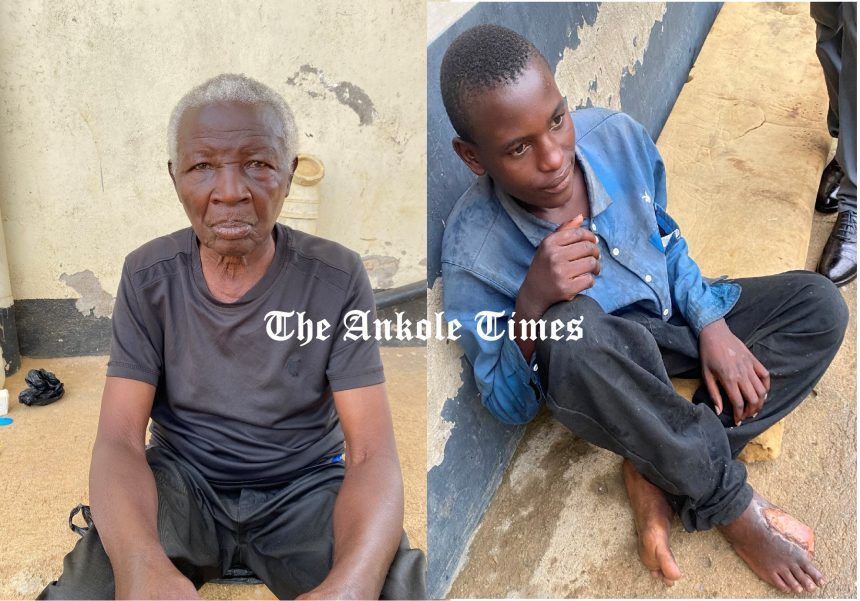
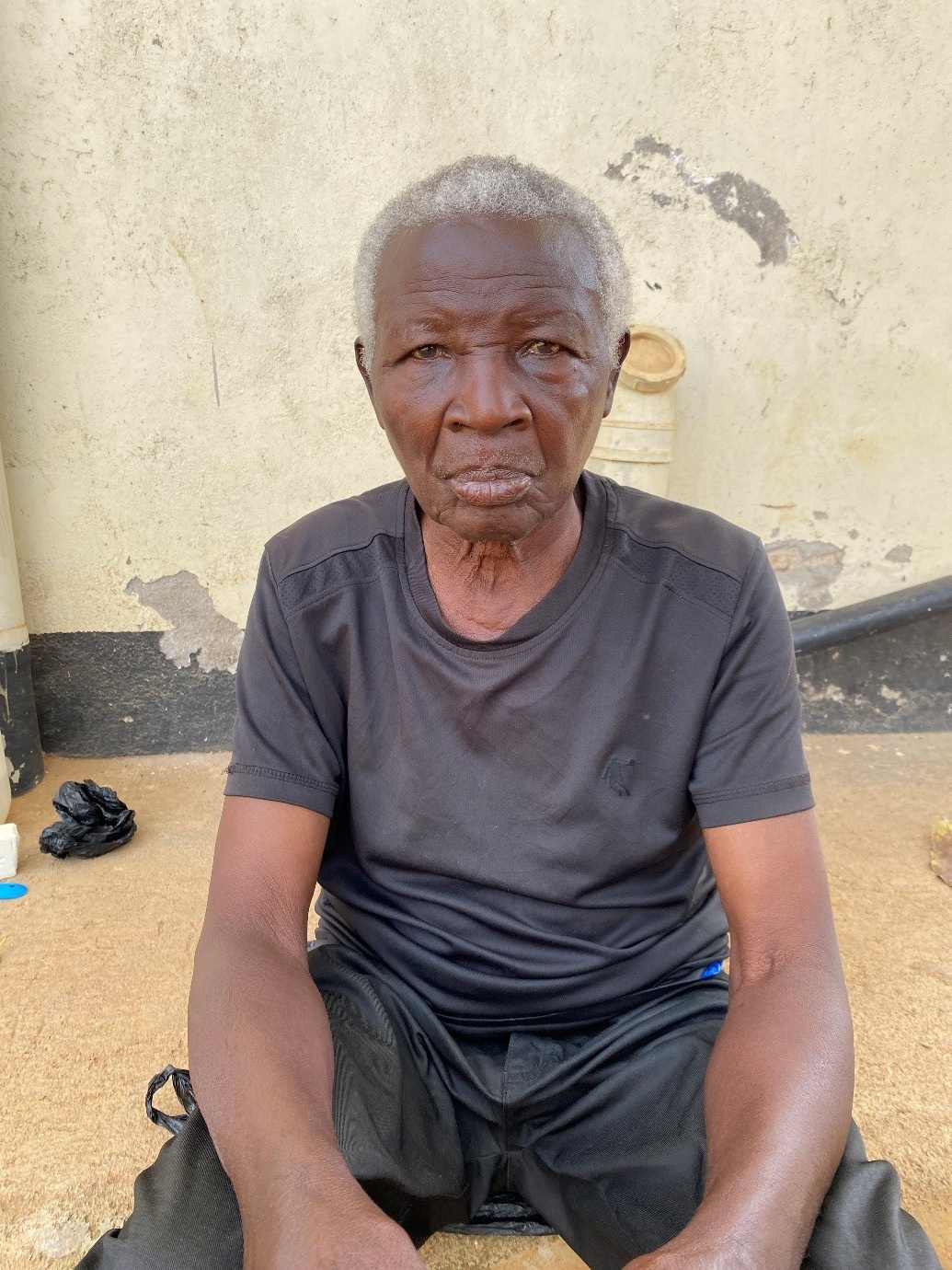
It has been established that many of them are brought in by police officers, good Samaritans, or arrive as self-referrals. Eighty-year-old Vincent Sselungo, a resident of Mityana Village in Mubende District, is among those who have been staying at western Uganda’s largest referral facility since mid-November 2025.
He was initially treated in Lyantonde District for prostate hyperplasia, a non-cancerous enlargement of the prostate gland. However, his place of residence remains unclear, with conflicting claims that he comes from either Mubende or Mityana District.
Due to his medical condition, Sselungo urinates through a catheter inserted in his abdomen. Although his condition no longer requires hospital admission, he says he has nowhere to go.
“I don’t know where to start because all my family members abandoned me,” he said. He currently sleeps on a donated mat and survives by begging passersby for food.

Another case is that of Shaban Ahimbisibwe, 40, from Masha Sub-county in Isingiro District. Currently admitted to the medical ward, Ahimbisibwe, who is of Rwandan origin, is being treated for tuberculosis (TB), a contagious infection that primarily affects the lungs.
Previously, Ahimbisibwe was living in Kakoba Division, a suburb of Mbarara City, where he survived by digging in people’s plantations in exchange for food. He was brought to the hospital by a neighbor after falling sick and spending months at home without medical attention. He is yet to be discharged.

“By the time I left Rwanda, all the contacts I had were lost from my phone. Whenever I call my wife, who stays in Isingiro, she hangs up on me,” he narrated.
His situation mirrors that of 15-year-old Emmanuel Mugisha, a resident of Kajaho in Isingiro District, who survived an accident at the Mbarara bus park. Mugisha, who says he has been living on the streets of Mbarara City, has been admitted to the surgical ward since January 2026.
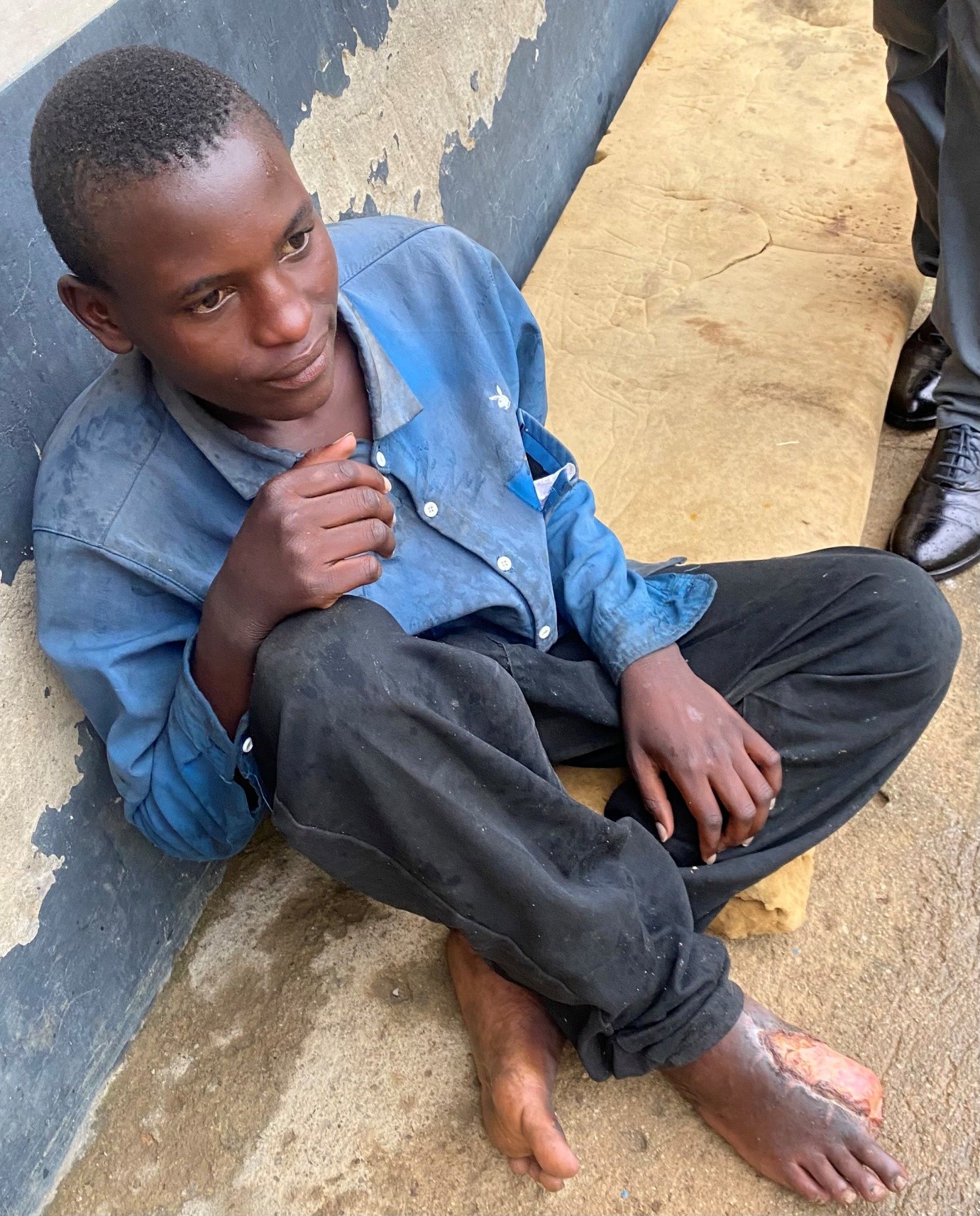
“I was collecting bottles when a bus ran over my feet, shattering them. The bus management gave me money and I came here for an operation,” he said.
Mugisha dreams of returning to school but left home in search of food after his mother fell ill. He remains in the surgical ward under post-operative care and has no caretaker.
Hospital authorities have decried the rising number of destitute cases, noting that they place a financial burden on the facility. On average, more than 10 destitute individuals require resettlement each month.
The hospital’s Public Relations Officer, Halson Kagure, said that while some homeless individuals are cared for until they are fit for discharge, the hospital is not a shelter.
He urged communities to work with authorities to trace missing persons through the police. The hospital also collaborates with partners to help resettle individuals who are unable to reconnect with their families.
Authorities have called on anyone who can identify the individuals mentioned to contact the hospital on 0753034506 as efforts continue to address the growing trend.
Victory Twesigyemukama, is a Journalism and Communication Student at

Bishop Barham University currently pursuing his internship at

Mbarara Regional Referral Hospital Communication and Public Relations Unit