OBONGI, Uganda – In a compelling address to key development partners, Obongi District leadership has issued a heartfelt appeal for sustained and increased off-budget support to address the persistent humanitarian challenges in health and nutrition, particularly among refugee and host communities.
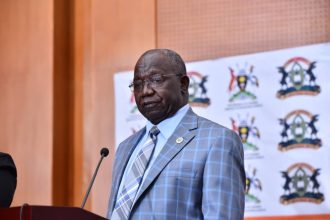
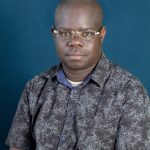
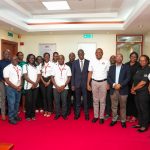
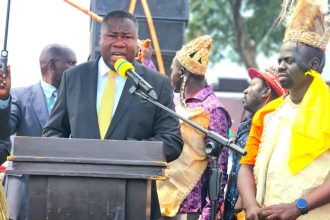
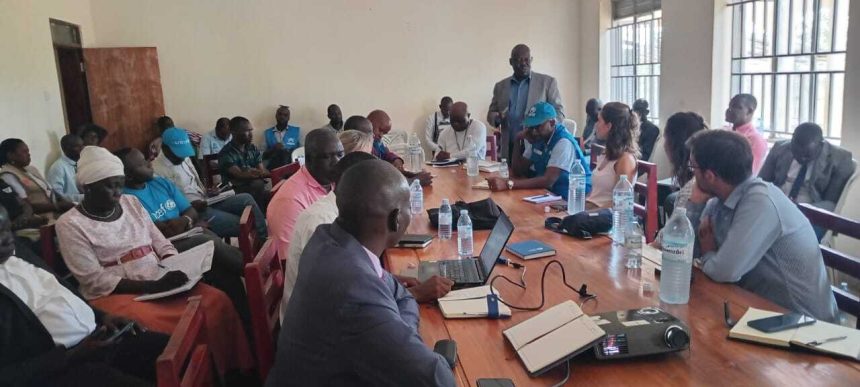
The appeal was delivered by Mr. Komech Robert Obina, the Assistant Resident District Commissioner (ARDC), during a high-level district engagement meeting focused on the humanitarian response in Obongi. Mr. Obina was representing the Resident District Commissioner, Mr. Hashaka Samuel Mpimbaza.
Speaking on behalf of the district, ARDC Obina extended sincere gratitude to major partners including UNICEF, UNHCR, the UK’s Foreign, Commonwealth & Development Office (FCDO), and the Office of the Prime Minister for their “continued commitment.”
“Your partnership has significantly contributed to the improvement of health and nutrition services in our district,” Obina stated, acknowledging the positive strides made in strengthening health systems and supporting vulnerable populations.
However, the ARDC was quick to highlight the ongoing pressures facing the district. He emphasized that Obongi’s status as a refugee-hosting area comes with “unique challenges,” placing immense strain on health facilities, nutrition programs, and social services due to the growing demand.

“This requires sustained and increased off-budget support from our development partners,” Obina urged. “We therefore appeal for continued collaboration and enhanced support to bridge existing gaps.”
A central theme of the address was a call for improved coordination and transparency. Obina directly urged all implementing partners to consistently share their detailed work plans and budgets with the District Local Government.

“Proper coordination and transparency will help us avoid duplication of interventions, ensure equitable service delivery, and maximize the impact of available resources,” he explained, signaling the district’s desire for a more streamlined and efficient partnership.
Despite acknowledged progress, the meeting highlighted that malnutrition remains a critical concern. Obongi continues to grapple with a high burden of malnutrition among children and pregnant women.
In response, ARDC Obina called for “intensified community sensitization, improved nutrition practices, and strengthened maternal and child health services.” He also issued a directive to all local leaders—from district to village levels to mobilize communities to embrace health facility deliveries as a key strategy for reducing maternal mortality and improving child survival.
Concluding his remarks, Obina called for unity and focus: “Let us remain united, coordinated, and focused as we work together to improve the health and wellbeing of our people.”
The meeting underscores the critical balancing act faced by refugee-hosting districts in Uganda: navigating the delicate task of appreciating international support while advocating for more targeted, well-coordinated, and sustained interventions to meet the overwhelming needs on the ground.