LIRA, UGANDA – As the electoral drumbeats grow louder in Erute South Constituency, the political landscape is showcasing a classic contest between vocal representation and entrenched incumbency.
The incumbent Member of Parliament, Mr. Jonathan Odur of the Uganda Peoples Congress (UPC), is gaining significant momentum in his bid to retain the seat, riding on a record that his supporters say speaks for itself.
Analysts and voters point to a clear dichotomy: Odur’s national platform as a top parliamentary performer versus the financial muscle and local networks of his main challenger, the National Resistance Movement’s (NRM) Sam Engola.
Parliamentary Prowess as a Foundation
A key pillar of Odur’s re-election campaign is his recognised performance in the legislative chamber. Parliamentary records for the 11th Parliament ranked Odur as the second-best debater in the entire House, a testament to his active and articulate advocacy on national issues. This, his supporters argue, is not mere talk but a critical tool for putting Erute South on the national map.
“A silent MP is a useless MP,” said Ms. Agnes Acan, a local council official in Itek Sub-county. “When Odur speaks in Parliament, the whole country listens. That voice brings respect and attention to our constituency’s needs. You cannot lobby if you are mute.”
The Development Question: A Central Battlefield

The campaign has ignited a fierce debate over the true meaning of “development.” Critics aligned with the NRM challenge, including Engola himself, have accused Odur of prioritising speech-making over tangible constituency service. However, Odur’s campaign has mounted a vigorous counter-narrative.
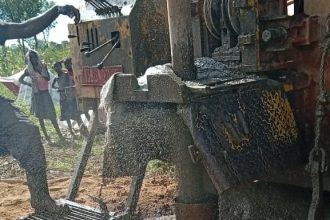
They list a series of lobbying successes, including improved funding for rural health centres, the facilitation of several community water projects, and interventions in the agricultural sector. “Development is not just about bricks and mortar laid by an MP’s hand. It is about influencing policy, securing government programs, and holding the executive to account. Hon. Odur excels at this,” argued Mr. Charles Obong, the UPC District Chairperson.
Conversely, the campaign of Sam Engola, MP for the constituency from 2011 to 2016, is banking on a legacy of personal patronage and a promise to return to “silent but effective service.” Supporters of Odur, however, label Engola’s previous term as notably quiet in Parliament, questioning the effectiveness of such an approach.
The Politics of Patronage Versus Persuasion
A fascinating dynamic on the ground is the interaction between money and votes. Engola, a former State Minister, is widely acknowledged for a campaign heavily reliant on financial resources and material donations. Yet, in a twist that defines the complexity of Ugandan politics, many voters confess to a pragmatic approach.
“We eat Engola’s money, it is true. He is a wealthy man, and the election period is hard,” shared a boda boda rider in Ogur Trading Centre, who asked for anonymity. “But when I enter the booth, I think about who has been my voice. I will take the money but vote for Odur. We need both survival today and a voice for tomorrow.”
This sentiment underscores Odur’s challenge: to convince voters that his long-term advocacy outweighs the immediate, tangible benefits dispensed by his opponent.
Verdict from the Ground
As the race tightens, the momentum appears to be with the incumbent. Odur has managed to frame the election as a choice between a visible, national-level advocate and a return to a quieter, more financially-driven representation.
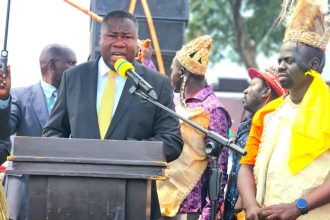
“My record is open for all to see,” Odur stated at a recent rally in Adwari Sub-county. “I have spoken for you in the highest forum of this land, and I have delivered programs through proper channels. We are not against development gifts, but we must choose sustainable development driven by policy,