LANGO SUB-REGION – A group of outgoing Local Council III (LC3) chairpersons in the Lango sub-region has called on the government to introduce retirement packages for sub-county leaders who leave office after elections, arguing that years of dedicated community service should not go unrecognised or uncompensated.
The leaders, who spoke to our reporter ahead of the 2026 transition, proposed practical measures including allowing outgoing chairpersons to retain official motorcycles and increasing monthly salaries to at least one million shillings. They further suggested the establishment of a contributory security fund similar to Kenya’s model, where local leaders save small monthly amounts to support themselves after leaving office.
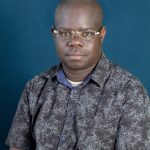
Mr Tommy Otanga, outgoing LC3 Chairperson of Agikdak Sub-county in Amolatar District, said the current system leaves many local leaders financially vulnerable after electoral defeat, despite their critical role in grassroots governance.
“When a Member of Parliament loses an election, they walk away with a car, but for us at the sub-county level we are sent away with nothing,” Otanga said. “We are not asking for the same benefits as MPs, but at least some recognition for the years we dedicate to public service.”
Otanga proposed that government allow outgoing LC3 chairpersons to retain the motorcycles provided during their tenure, describing them as essential tools used to monitor government programmes and serve communities across vast rural areas.

“LC3 chairpersons are the link between the community and the district leadership. We implement government programmes and address the daily concerns of our people, yet when we lose elections we have nothing to show for our service,” he added.
Mr Philips Ogile Jackyao, outgoing LC3 Chairperson of Abok Sub-county in Oyam District, highlighted the disparity between the heavy responsibilities of the position and the current remuneration.

“LC3 chairpersons have a lot of work because they are the political heads of the sub-county and they oversee the implementation of government programmes. However, the salary is very small,” Ogile said.
He urged government to increase monthly salaries to at least one million shillings and to provide structured exit packages for departing leaders. Ogile also appealed for similar support to be extended to LC1 chairpersons, who receive little or no remuneration despite playing vital community leadership roles.
Mr Terrence Omwonya, outgoing LC3 Chairperson of Kamdini Sub-county in Oyam District, suggested Uganda could adopt a system similar to Kenya, where local leaders contribute small monthly amounts to a security fund that supports them after leaving office.
Omwonya noted the absence of a specific law providing welfare support for local leaders, including LC1, LC3 and LC5 chairpersons.
“There should be a law passed by Parliament to support local leaders when they leave office or even when they are serving,” he said.
He called on Members of Parliament to identify legal gaps and champion legislation that would improve the welfare of grassroots leaders.
Mr Felix Odongo, outgoing LC3 Chairperson of Akokoro Sub-county in Apac District, emphasised that local leaders remain the first point of contact for communities seeking government services.
“Local leaders are always on the ground helping communities access services, but the salary we receive is too small and when we lose elections we remain with nothing,” Odongo said.
He joined his colleagues in appealing for permission to retain official motorcycles, noting these would support their mobility and livelihoods after leaving office.
The collective appeal from the outgoing sub-county leaders highlights growing recognition of the need to motivate grassroots administ