The unified front presented by the President of Uganda, H.E. Yoweri Kaguta Museveni, the Central Executive Committee (CEC), and the General Secretary in seconding Rt. Hon. Anitah Among and Rt. Hon. Thomas Tayebwa for the Speakership and Deputy Speakership respectively is a profound masterclass in political cohesion within the National Resistance Movement (NRM) and a testament to Pan-Africanist solidarity.
This alignment is not merely a procedural formality; it is a powerful declaration that the party functions as a single, living organism with a shared heartbeat.
When the top leadership speaks with one voice, it sends a clear message to the continent and the world, internal democracy does not equate to internal division.
Rather, it demonstrates a disciplined commitment to a collective vision, ensuring that the legislative arm of government is led by individuals who embody the core values and long-term revolutionary goals of the movement.
The act of seconding a candidate reflects deep-rooted respect for the hierarchy and institutional wisdom of the party’s organs.

By harmonizing the interests of the executive leadership with the administrative engine of the General Secretary, the party safeguards itself against the fragmentation that often plagues modern political entities.
It reinforces the idea that the “Big Push” for national development and African integration requires leadership that is vetted, trusted, and backed by the full weight of the party’s ideological foundation.

This level of synergy provides a stable platform for the Speaker to execute their duties, confident that they carry the mandate of a united house.
Ultimately, such political discipline is the bedrock of Pan-Africanism, which thrives on the principle of Umoja—unity. It serves as an inspiration to younger cadres and neighboring nations alike, proving that a party can remain vibrant and robust while maintaining a singular, unbreakable direction.
By prioritizing the collective strength of the party over individual ambitions, the leadership ensures that the aspirations of the people, as enshrined in the Constitution, are protected by a legislative leadership perfectly attuned to the party’s mission.
The National Objectives and Directive Principles of State Policy provide the legal foundation for this alignment. Objective II specifically outlines the “Democratic Principles” of the nation, stating that the state shall be based on democratic principles which empower and encourage active participation of all citizens at all levels of governance.
It further ensures that all Ugandans have access to leadership positions, making government reflective of the diverse aspirations and will of the people.
This objective acts as a mandate for the legislature to create laws that are not only technically sound but also socially relevant to the Ugandan context.
To transform these aspirations into actionable reality, Article 8A of the 1995 Constitution of Uganda explicitly mandates that governance be based on national interest and the common good, as enshrined in the National Objectives and Directive Principles.
This article bridges the broad goals of the preamble with actionable legal requirements that the government must strive to achieve.
When the President, the CEC, and party leadership second a candidate for Speakership, they are aligning the machinery of the state with these constitutional commands.
By ensuring the Speaker is a custodian of these core values, the party guarantees that legislation passed in the August House reflects the collective aspirations of the people.
This unity is the ultimate shield against external interference and the surest path toward a self-sustaining, sovereign future.
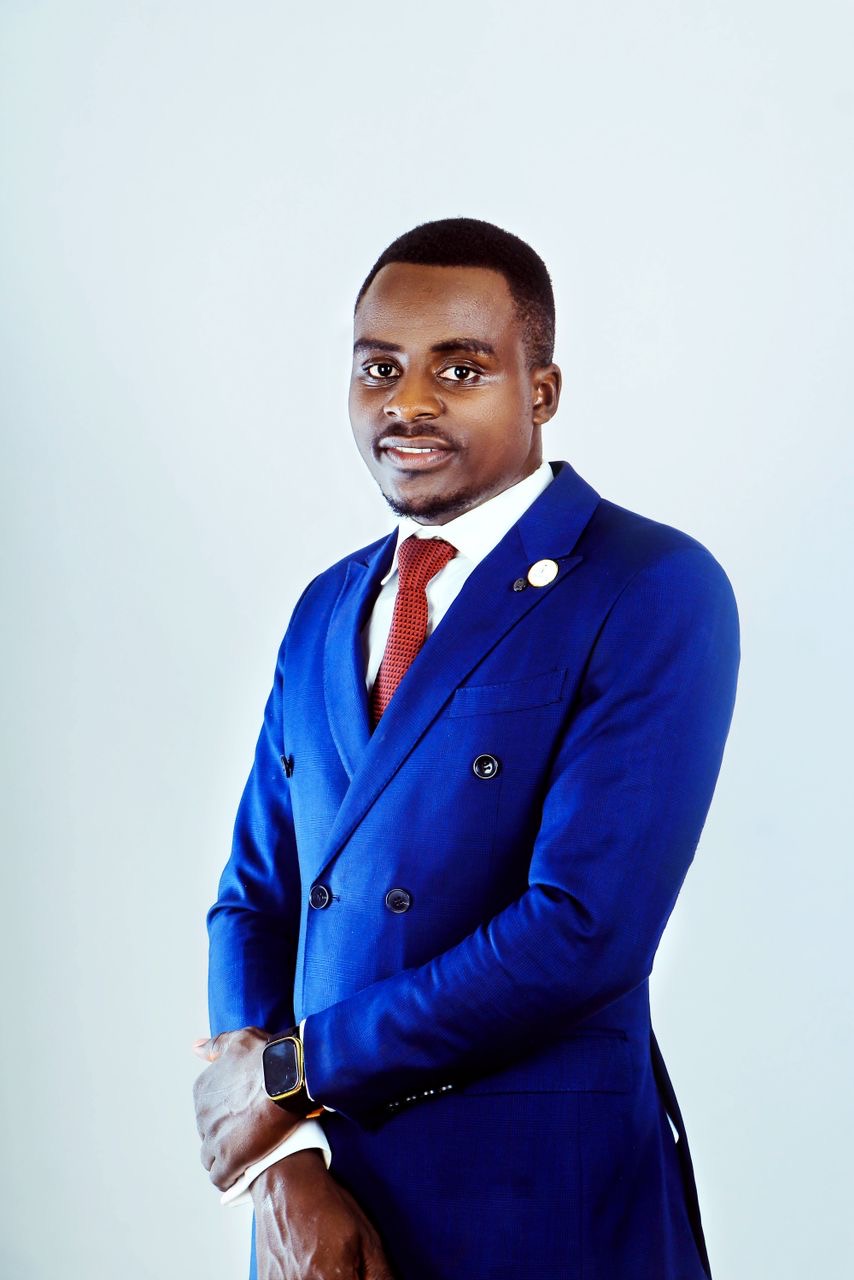
By Lukyamuzi Ali, NRM Commissioned Cadre and Legal Scholar