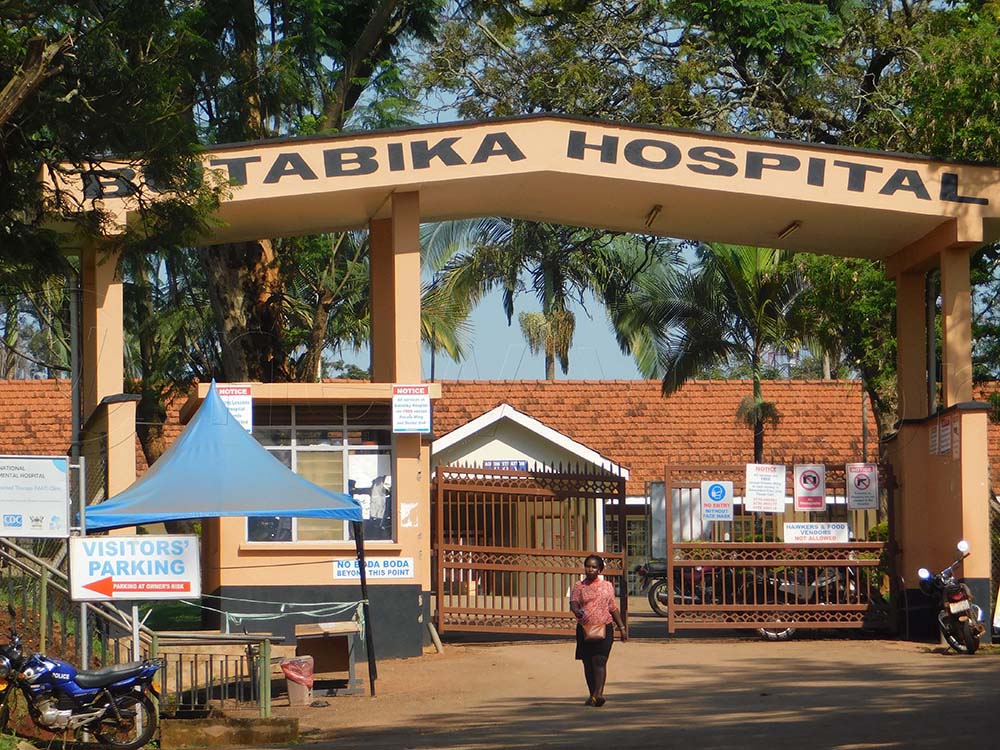

KAMPALA, Uganda — Mental health services in Uganda are under mounting pressure as the number of patients seeking treatment rises sharply, particularly among young people. The surge has left Butabika National Referral Mental Health Hospital operating beyond its capacity.
Dr. Juliet Nakku, the hospital’s Executive Director, said the facility currently lacks adequate space and beds to accommodate the growing number of patients.
“The hospital is too full due to the rising number of people with mental health conditions. Most of the patients are youths,” Dr. Nakku said. “Right now, we do not have enough space. The beds in the facilities are not enough, yet the patients are many.”
She attributed the increase in cases largely to the rising use of alcohol and other substances, which she described as one of the leading drivers of mental health disorders.
“The use of alcohol and other substances is on the rise and has now become an epidemic,” Dr. Nakku said. She also noted that treatment for alcohol addiction is currently centralized at Butabika, further straining the hospital’s resources.
Dr. Nakku called on the government to expand mental health infrastructure across the country.
“We ask government to provide more beds for patients and extend Butabika’s capacity nationwide so that people can access mental health services wherever they are,” she appealed.

She warned that the growing number of young people struggling with mental health challenges could have significant economic implications.
“If a large number of people in their productive age are affected by mental health conditions, it is likely to impact the country’s economic growth,” Dr. Nakku cautioned.
The Fourth National Development Plan (NDP IV) includes a proposal to establish specialized treatment centers in regional referral hospitals. According to Dr. Nakku, the Minister of State for Health has approved the proposal, and efforts are underway to secure funding.
Mental health remains a major public health concern in Uganda, with experts estimating that about 32% of the population is affected by some form of mental illness. The burden has worsened in the post-COVID-19 period, fueled by stigma, economic hardships, and limited access to services. Depression and anxiety are among the most common conditions, while severe cases are compounded by under-resourced facilities.