
Uganda’s preparations for the 2027 Africa Cup of Nations are increasingly taking shape beyond stadium construction, with government unveiling a Shs14.24 billion water supply project in Hoima City as part of wider efforts to strengthen infrastructure ahead of the continental tournament.
The project, announced by the National Water and Sewerage Corporation (NWSC), is expected to improve water access in one of Uganda’s designated AFCON host cities while supporting the region’s rapid economic growth driven by oil and gas investments.
For many observers, the development reflects the broader opportunity presented by AFCON 2027 — using a major sporting event to accelerate investments that deliver long-term benefits for citizens.
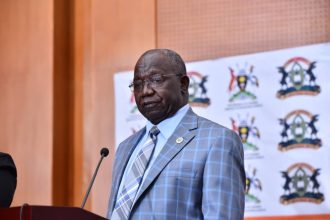
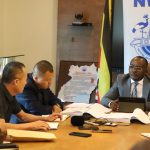
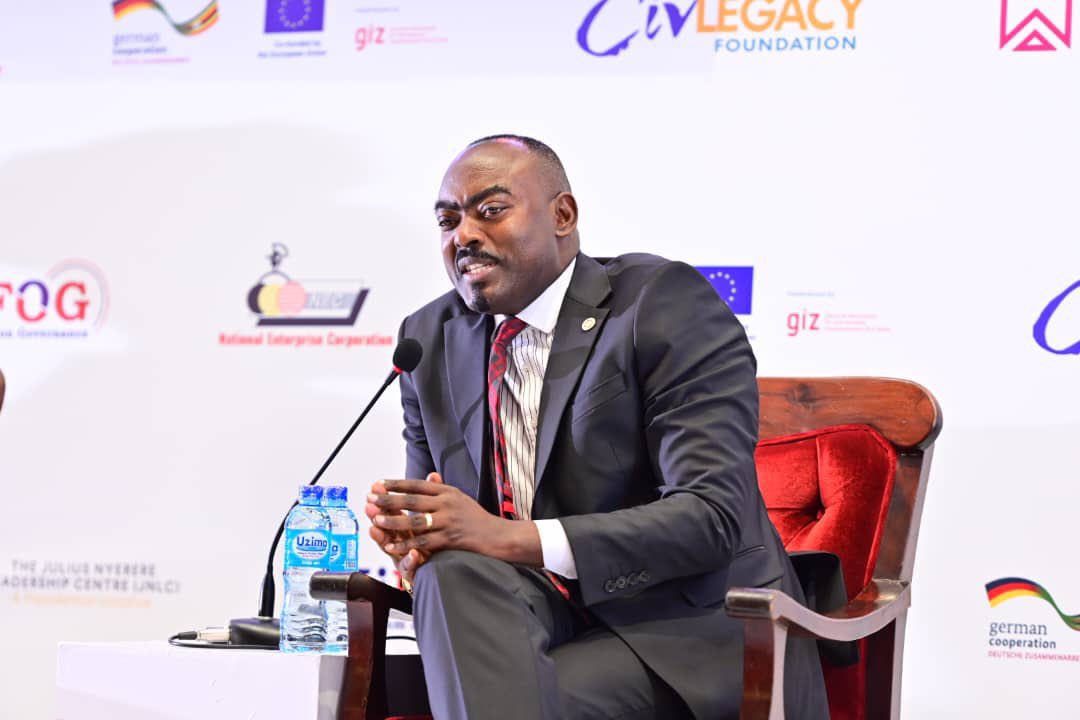
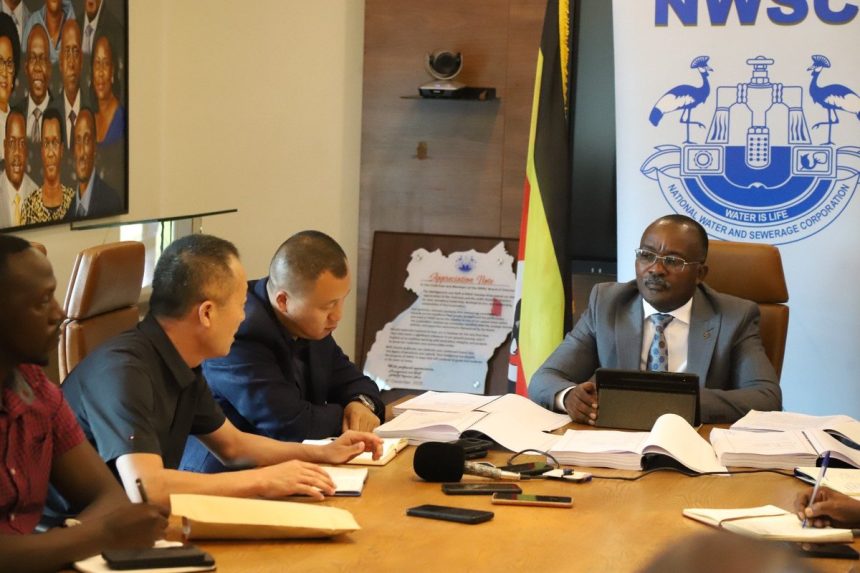
Speaking during a media briefing in Kampala, NWSC Managing Director Dr. Eng. Silver Mugisha said the project was necessary because Hoima’s existing water system can no longer adequately meet growing demand.
“The current system is no longer sufficient to adequately meet the water needs of Hoima City and its surrounding areas,” he said.

The new Hoima 2 Water Supply System will draw water from River Kafu in Kikuube District and transport it to Hoima through a bulk water transfer network. The project includes a conventional treatment plant with a production capacity of 2,000 cubic metres per day, approximately 25 kilometres of transmission and distribution pipelines, and a 300-cubic-metre elevated reservoir at Musaijamukulu Hill.
The project is jointly funded by the Government of Uganda and NWSC and is expected to be completed within eight months.

Hoima’s selection as an AFCON host city has placed renewed attention on the area’s infrastructure needs. Beyond accommodating football fans and tournament officials, the city is expected to continue attracting investment as Uganda’s oil and gas sector expands.
As a result, reliable access to water has become increasingly important for households, businesses, hotels, health facilities and industrial establishments.
Dr. Mugisha said the Hoima 2 project is part of a broader strategy to secure the city’s future water needs. He revealed that designs for the larger Hoima 3 Water Supply System are nearing completion and called for timely funding to enable its implementation.
“Timely investment in Hoima 3 will secure the long-term water future of Hoima City and support Uganda’s broader economic transformation agenda,” he said.
The project will be implemented by Zhonghao Overseas Construction Engineering Company Limited, whose officials pledged to complete the works on schedule and utilise local labour during construction.
Dr. Mugisha, however, made it clear that delays would not be tolerated.
“Time delays will not be acceptable,” he said.
As Uganda counts down to AFCON 2027, investments in water, transport, accommodation and urban services are becoming as important as the stadiums themselves. While the tournament will last only a few weeks, the infrastructure being developed today is expected to serve communities and businesses for decades.
The Hoima water project therefore offers a glimpse into what many hope will become the lasting legacy of AFCON 2027 — stronger cities, improved public services and infrastructure capable of supporting Uganda’s next phase of economic growth.