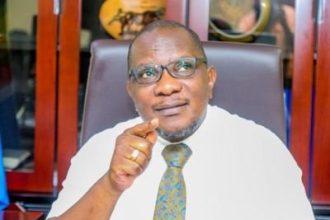
This is not just another political commentary. It is a reflection from a man who has walked a long journey, seen his country rise, fall, and rise again. At 68, born and raised in Kamwenge, I have lived through the storms that shaped Uganda—storms many young people today only hear about in passing.
Every election season in Uganda comes with tension, uncertainty, and loud voices promising this and that. But beyond the noise are memories—real memories—of what it means to live in a country without peace. For those who are younger, peace is something they found already in place. But for some of us, peace is something we earned through survival.

I have lived through the years when Uganda was unpredictable. Years when travelling from one town to another felt like gambling with your life. Years when gunshots were as common as birdsong. Years when leaving your home at night was a risk too big to take. When I look at Uganda today, regardless of our disagreements and complaints, I see something priceless: stability. And I cannot pretend it is ordinary.

The truth is simple: peace is the ingredient of everything else. It is peace that allows a child to go to school without fear. It is peace that allows a business to grow. It is peace that allows a farmer to plant, wait, and harvest without worrying about running for his life midway through the season. Whenever I speak to the youth who feel restless and dissatisfied, I tell them—if you have never lived without peace, you will never understand its value.
In fact, one thing that pains many elders today is how some youths respond when the President or the NRM speaks about peace. They say, “We didn’t send you to the bush,” as if the sacrifices made for this country were a personal favour instead of a national rescue. They speak as though peace was handed to them by magic, and not bought through blood, sweat and lives of young Ugandans who believed this country deserved better.
This attitude does not come from wisdom. It comes from forgetfulness. From not knowing how dark Uganda once was. From taking stability for granted. People talk about gold, oil, minerals and land as Uganda’s most treasured resources—but they forget that peace is the foundation that allows any resource to have value at all. Without peace, gold becomes dust and oil becomes a curse. Ask the countries that lost stability and see whether their minerals saved them.
Sometimes I meet young people who speak with frustration, some even saying Uganda needs “resetting” or that they don’t care if chaos returns. Those words do not come from malice. They come from privilege—the privilege of growing up in a nation that has been stable for so long that danger feels like a distant myth.
Travel across Uganda and you will see something many don’t notice: Uganda is home to thousands of people who fled their countries—Somalis, Congolese, South Sudanese, and many more. They are here not because they prefer Uganda’s weather or food, but because their own homes are unsafe. They would love to return to their land, their culture, their families—but they cannot. Their governments did not protect the peace their people needed. That alone should teach us something.
Uganda today is not perfect. No country is. We have inefficiency in some government departments. We have corruption, we have frustrations, we have services that need improvement. To deny these issues would be dishonest. But to ignore the gains made over the years because of these weaknesses would also be dishonest.
The government in power today has one undeniable achievement—Uganda has enjoyed the longest continuous stretch of peace in its post-independence history. Peace that has allowed roads to be built, schools to grow, trading centers to become towns, and villages to get electricity and water. Peace that has given the youth freedom to dream—dreams many of us never had growing up.
Ugandans in urban areas sometimes feel the pressure of life more intensely—rent, fuel prices, job competition—and this often breeds anger. But many who complain passionately have never travelled 20 or 30 kilometers outside their district to see how far this country has come. They see life from a single corner and assume the entire nation looks the same.
This election season, many young people are searching for change. Wanting change is not wrong. It is natural. Every generation dreams of shaping the future. But what worries me is when young people follow leaders who speak from anger instead of wisdom—leaders who mobilise emotion but do not teach understanding. Leaders who want support, not transformation.
One day, President Museveni will also leave this world, like all of us. But the peace and stability Uganda has built must not leave with him. That responsibility falls on all of us—especially the elders. We must tell our children and grandchildren what Uganda used to be. We must explain why protecting peace is not a political message but a national duty.
Uganda belongs to all of us. Whatever decisions we make today determine the country our children will inherit. I am not asking anyone to vote because of my testimony. I am asking Ugandans to think, to remember, to learn from history instead of repeating it.
If my story helps even one young Ugandan understand the value of peace, then speaking it was worthwhile.
Uganda is home. Uganda is ours. And Uganda is worth protecting.