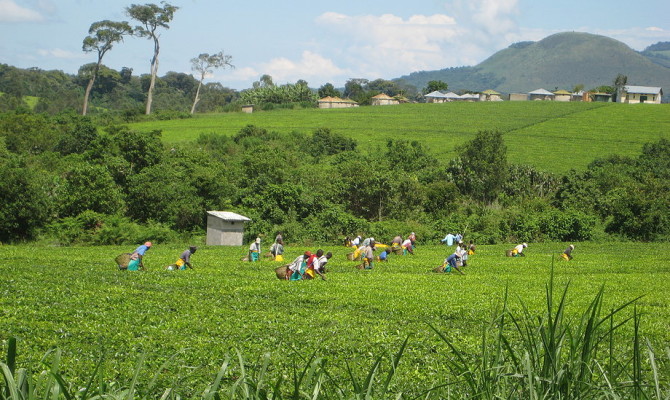
In July 2024, Uganda’s tea industry faced a significant challenge as tea prices fell below $1 per kilogramme. This decline was revealed in the Mombasa Tea Auction Sale number 30, which concluded on July 23. The average price for Ugandan tea was reported at $0.82 (approximately shillings 3,047) per kilogramme. This figure starkly contrasts with the average prices from other countries: Kenya at $2.22 (about shillings 8,250), Rwanda at $2.47 (about shillings 9,179), and Tanzania at $0.74 (about shillings 2,750).
The struggle to keep Ugandan tea prices above the $1 mark has persisted for nearly a year, reflecting deeper issues within the industry. According to Onesimus Matsiko, a tea farmer and sector expert, the average production cost in Uganda is around $1.20 per kilogramme. The current prices present significant problems for the tea sector, as the revenue generated is insufficient to cover production costs.
In the recent auction, Uganda’s contribution dropped to just 7% of the total volume, down from the historical 15%. Matsiko attributes this decline to several factors, including the quiet closure of numerous tea factories. He also highlighted issues such as malnourished and abandoned tea gardens and the replacement of tea with lower-value crops like maize and sugarcane in regions such as Kyenjojo.
The capital-intensive nature of high-value tea production has made it unaffordable for many farmers, leading to reduced investments in tea cultivation. As a result, factories that depend on outgrower leaves have been forced to cut farm-gate prices for green tea leaves. William Mbonigaba, a tea farmer in western Uganda, reported a drastic drop in prices from about shillings 500 to shillings 200 per kilogramme. At the lowest, farm-gate prices have fallen to shillings 130, with harvesters receiving only shillings 100, leaving the farmer with a mere shillings 30. This amount barely covers basic garden maintenance.
In the Mombasa Sale 30, a staggering 63.7% of the teas remained unsold, indicating a significant oversupply in the global market. Matsiko noted that market performance is measured by price earnings and the percentage of offered teas that are absorbed. The Kenya Tea Development Agency (KTDA), known for its high-quality teas from smallholder farmers, offered over 70% of the teas at Sale 30. However, 75% of KTDA teas remained unsold, representing over 90% of the total unsold teas.

Uganda’s tea production has decreased notably, contributing only 7% to Sale 30 compared to 15% in the past. Despite this decline, only 15% of Uganda’s tea remained unsold, making up just 2% of the total unsold teas. This suggests a better absorption performance compared to Kenya’s large-scale tea plantations, which contributed 16% to Sale 30 volumes with 17% remaining unsold.
The poor global performance primarily affects CTC (cut, tear, and curl) black teas, while orthodox tea, including green and specialty teas, remains more stable in terms of absorption and price earnings. Farmers argue that the industry needs short-term, affordable interventions that impact key stakeholders in the tea value chain, including growers and processors.

Mbonigaba proposed that fertilizer interventions could enhance the quality of CTC black tea, leading to a noticeable market improvement within three months. He estimated that a 33% increase in prices could raise average prices from the current $0.79 per kilogramme to $1.05. He also mentioned that the cabinet’s resolution of sh41 billion for tea fertilizers could potentially double Uganda’s foreign exchange earnings from $25 million (shillings 93 billion) to $50 million (shillings 186 billion) in a season.
The government had planned to support tea farmers with subsidized fertilizers starting with the first rainy season of 2024 (March). However, some tea-growing areas have already entered the second rainy season, and there is no sign of fertilizer supply to farmers. Matsiko criticized the government for focusing on free tea seedlings instead of supporting established tea gardens, which could generate income for farmers and foreign exchange for the economy.
Uganda’s tea acreage has increased from 21,000 hectares in 2001 to an estimated 49,000 hectares recently. Despite this growth, current yields are only about 50% of the potential for Uganda’s average tea-growing environment. Farmers believe that fertilizer application could boost productivity by at least 50%, increasing yields from 1,633 kilogrammes of made tea per hectare per year to around 2,500 kilogrammes, though the potential exceeds 3,000 kilogrammes. Improved yields are crucial for reducing high unit costs associated with low productivity.