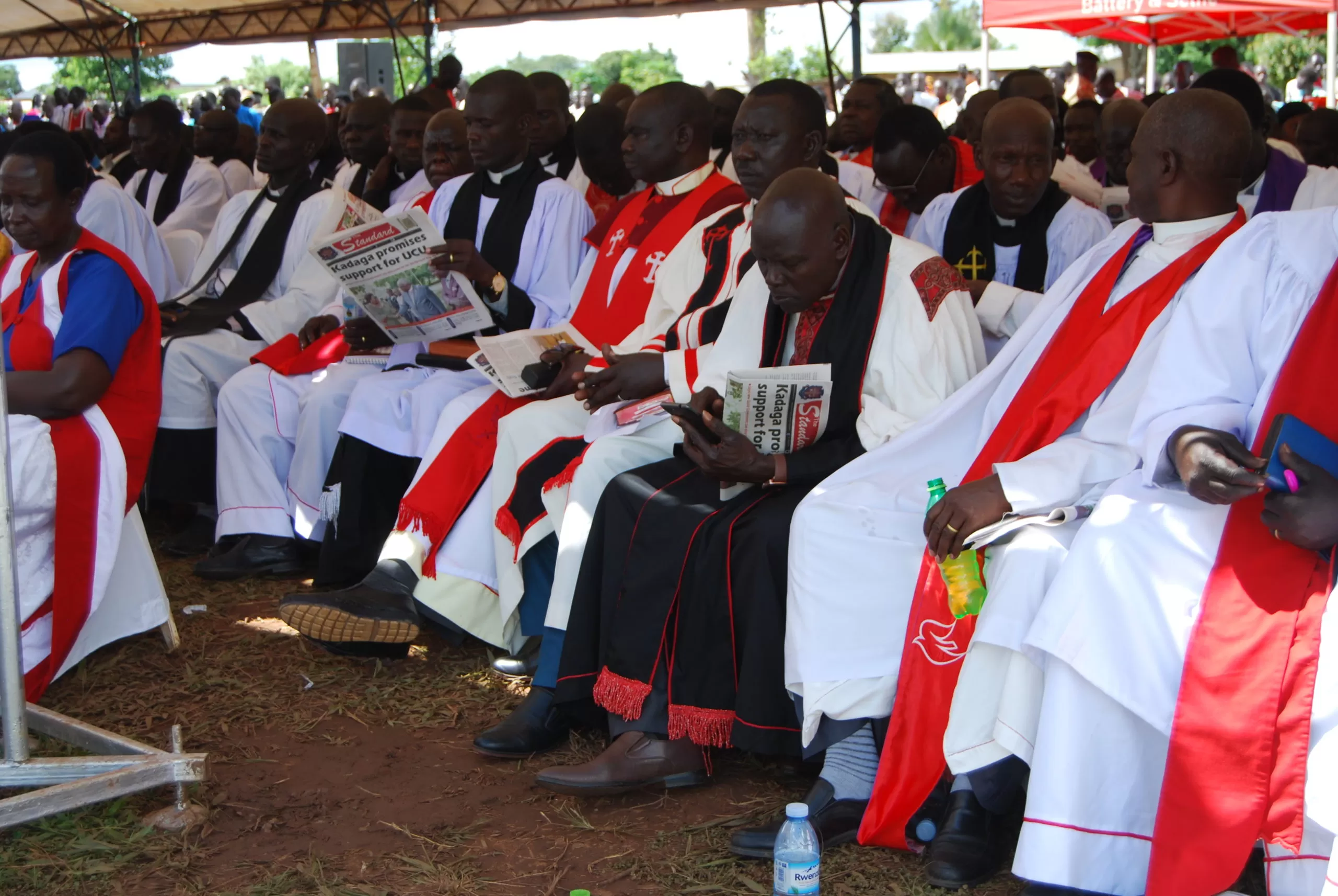
West Buganda Diocese has instituted a ban on conducting funeral prayers for Christians without proof of baptism within the Anglican Church. This directive, issued by Bishop Henry Katumba, is intended to address instances where clergy members have faced conflicts with individuals from different faiths during funeral ceremonies.
Rev Moses Kayimba, the diocesan secretary in Masaka, emphasized that the bishop, as the overseer of faith activities in the diocese, holds the responsibility of guiding Anglicans in accordance with the Church’s doctrines. The decision seeks to ensure that matters of faith are conducted in alignment with established principles, addressing concerns that have arisen from past incidents.
Bishop Katumba has consistently raised concerns about clashes between Anglican clerics and leaders of other faiths during funeral proceedings. Rev Kayimba explained that the ban is a response to a growing trend of individuals adhering to multiple religions, leading to ambiguity when someone passes away, as different faiths may claim the deceased.
Drawing a parallel to citizenship, Rev Kayimba highlighted the issuance of a baptism card to every baptized Christian in the Anglican Church, serving as official proof of membership. Prior to this directive, clerics relied on a letter from the church where the deceased worshipped, but such letters did not provide conclusive evidence of baptism.
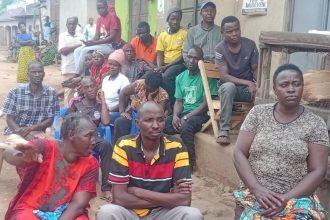
Ordinand Moses Muwulya, parish head of Kitengeesa Church of Uganda, shared experiences of clashes at funerals involving Anglican clerics. He recounted an incident where he was prevented from conducting funeral prayers for a child born to a Muslim man and an Anglican wife, emphasizing the complexities arising from individuals subscribing to various faiths.

The clashes are often attributed to individuals seeking perceived benefits, such as employment opportunities and scholarships, by aligning themselves with multiple religious affiliations. West Buganda Diocese, overseeing nine districts in Greater Masaka Sub-region with over 500 churches, now subjects all Anglican congregations under its jurisdiction to this directive.
© The Ankole Times. All rights reserved.
No part of this publication or its digital content may be reproduced,
distributed, published, broadcast, rewritten, or redistributed in whole
or in part without prior written permission from The Ankole Times.

For inquiries, contact: [email protected]
Stay informed and ahead of the curve! Follow The Ankole Times on WhatsApp for real-time updates, breaking news, and exclusive content.
Join The Ankole Times WhatsApp News Channel