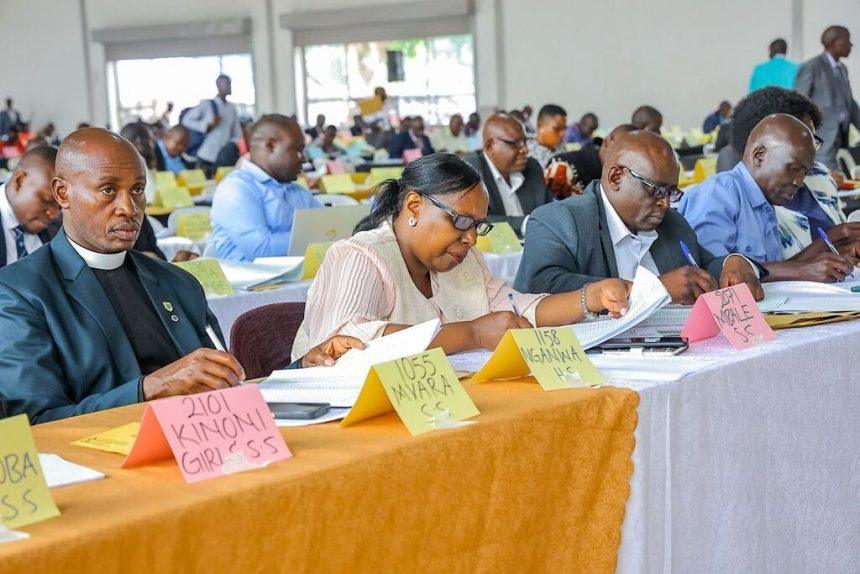
KAMPALA, Uganda: Excitement and anxiety marked the start of the Senior One selection exercise as thousands of candidates who sat for the 2025 Primary Leaving Examination (PLE) began vying for placement in secondary schools across the country. The exercise, being conducted at the UMA Show Grounds Multipurpose Hall in Lugogo, Kampala, will run until Friday, February 13, 2026.
Parents and candidates nationwide are closely following the process as traditional schools review their cut-off points. Some institutions are expected to raise their entry aggregates following strong national performance trends, while others may slightly lower their cut-off points to fill available vacancies.
Cut-off points are largely influenced by overall national performance and individual school capacity. In years of strong results, competition for places in top-tier schools intensifies, pushing aggregates higher.
Last year, traditional schools in Kampala and the metropolitan areas maintained highly competitive cut-off points, with Aggregate 8 serving as the general benchmark. Among the leading schools were Buddo Secondary School (5), Gayaza High School (6), Makerere College School (7 and 8), Nabisunsa Girls’ School (7), St. Mary’s Namagunga (7), St. Mary’s College Kisubi (5), St. Mary’s Secondary School Kitende (5 and 7), Ntare School (7), Trinity College Nabbingo (6), Kawempe Muslim Secondary School (7 and 8), and Kibuli Secondary School (6 and 7).
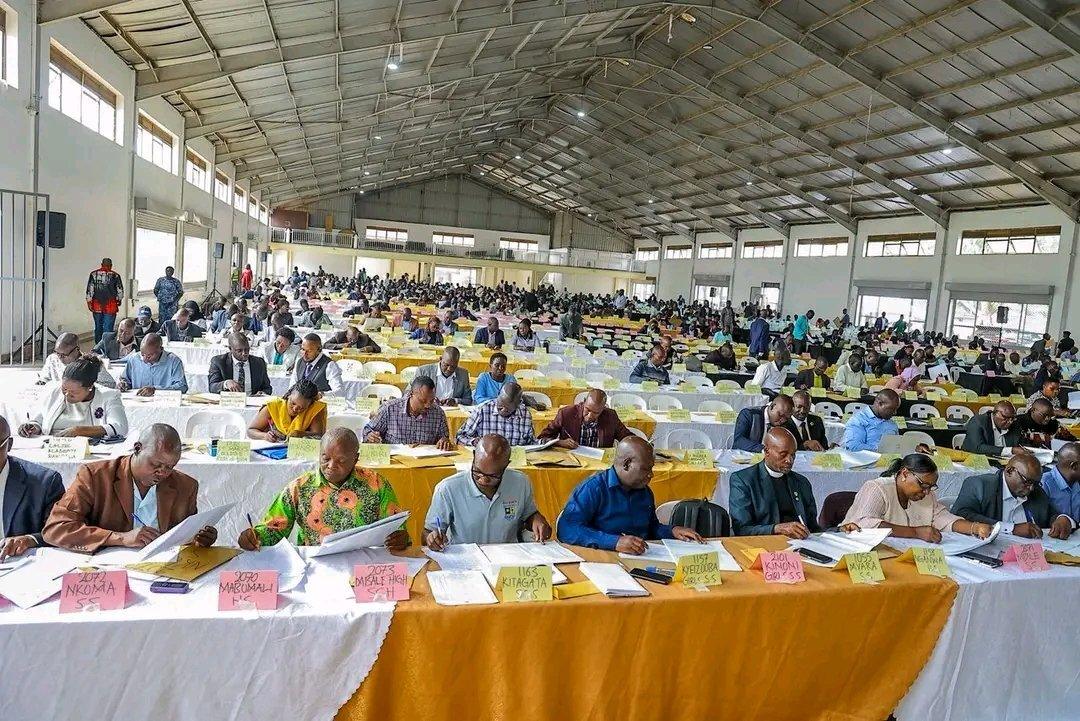

Meanwhile, some rural schools have maintained higher cut-off points to accommodate more learners. The Deputy Head Teacher of Moroto Parents Secondary School in the Karamoja sub-region, Mr Edward Okwi, said their cut-off point would remain at Aggregate 28. “This is intended to allow more learners in the area to access secondary education,” he noted.
The selection process is intended to ensure merit-based placement, particularly in government-aided traditional schools and other highly sought-after institutions. Education authorities say the exercise promotes transparency and fairness in allocating limited spaces.

According to the examination results, 91,990 candidates passed in Division One, representing 11.39 percent of the 807,313 candidates who sat for the exams. A total of 397,589 passed in Division Two, 165,284 in Division Three, and 75,556 in Division Four, while more than 77,000 candidates were ungraded.
With competition expected to remain stiff in the country’s top schools, education stakeholders say the exercise will significantly shape the academic journey of thousands of learners transitioning to secondary education.