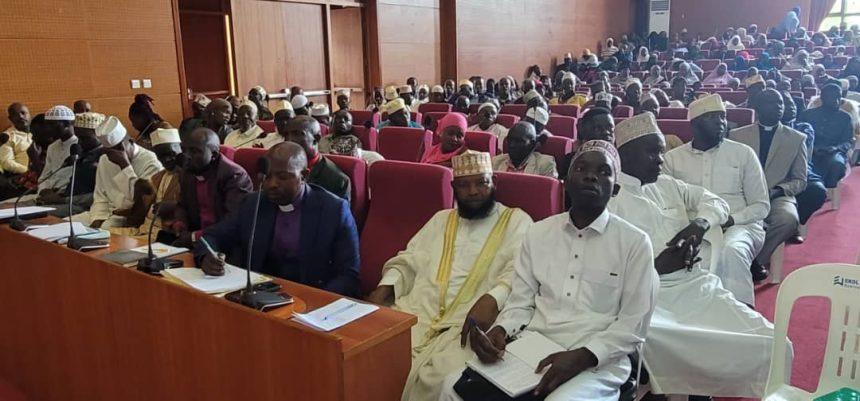
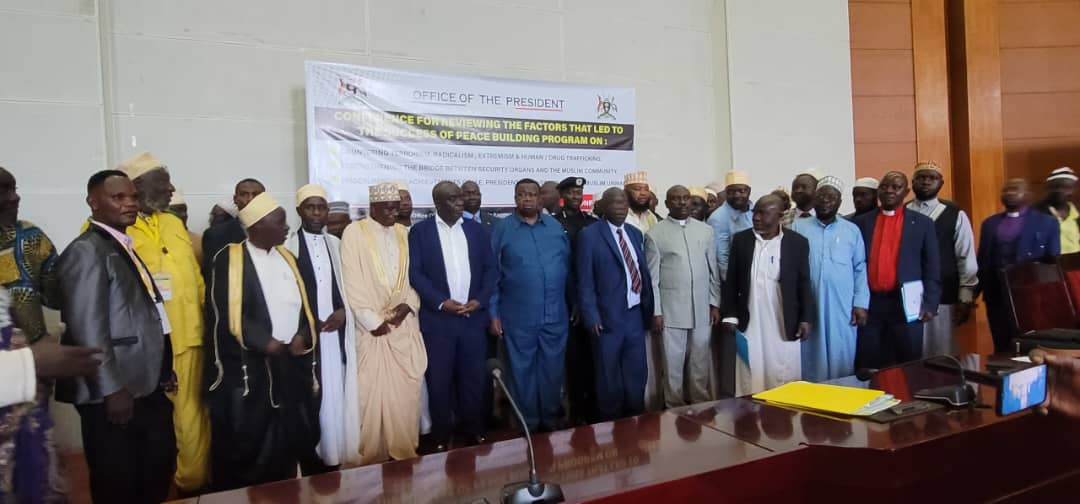
President Yoweri Kaguta Museveni’s long courtship of Uganda’s Muslim community came full circle last Wednesday as hundreds of Muslims converged at the Office of the President to declare him their choice for 2026.
What began as a review of the “Islam is Not Terrorism” programme, a peace-building campaign launched in 2022, quickly transformed into a political endorsement rally, with Muslim leaders crediting Museveni for defending their freedoms at a time when their community was under siege.
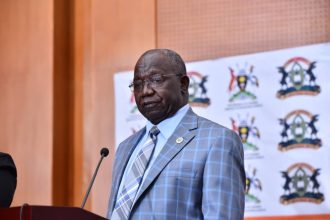
The gathering, however, also spotlighted Hajj Yunusu Kakande, the Secretary in the Office of the President, who was praised as the man that turned Museveni’s directives into reality. For every milestone the campaign had achieved (ending arbitrary arrests, stopping profiling at home and abroad, and easing relations with security agencies) speakers pointed to Kakande’s coordination as the bridge between the president’s vision and its delivery on the ground.
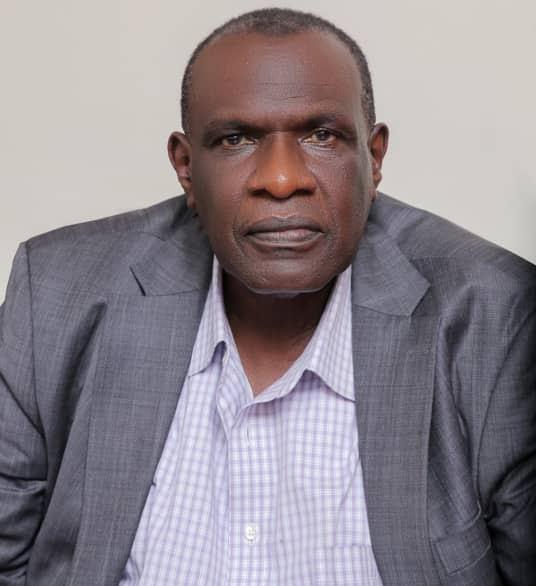
Amb. Abby Walusimbi, Senior Presidential Advisor on Diaspora Affairs, told the audience that Museveni had long been disturbed by reports of Ugandans abroad being unfairly branded as drug traffickers. He explained that it was through Kakande’s interventions, acting on the president’s behalf, that the arrests and harassment of Ugandans in the diaspora finally came to an end.

Similarly, Lt. Col (Rtd) Kibrai Ambako, the Senior Presidential Advisor on Mobilisation, reminded the gathering that Museveni had stood with Muslims in their darkest hours, ordering reforms and relief when the community was most stigmatised. Ambako urged Muslims to now stand firmly behind Museveni in 2026, mobilising massively to ensure his continued leadership.
The architect of the campaign, Ambassador Dr. Asuman Kisuule, traced its success back to 2022 when Museveni directed Maj. Gen. Kahinda Otafire to spearhead a strategy to dismantle the stereotype that Islam equates to terrorism. Kisuule recalled that it was Kakande who provided the coordination that ensured smooth communication between state institutions and Muslim leaders, making the programme both credible and effective.

Maj. Gen. Otafire, who officiated as chief guest, confirmed that the programme had restored trust between Muslims and the state, but cautioned security agencies never to return to the old ways of profiling people by faith. He said Museveni had made it clear from the start that religious freedoms must be protected, and that directive had guided the campaign throughout.
By the time the conference closed, the message was unmistakable. Speaker after speaker reminded the audience of Museveni’s contributions, from sponsoring Muslims on Hajj, to defending mosques from eviction, to providing resources for Islamic education. And in unison, the crowd of over 800 Muslims declared their loyalty, vowing that in 2026 they will repay Museveni at the ballot box.
For the Muslims gathered, it was Museveni who had shielded them when others treated them with suspicion. But for the officials who spoke, it was also clear that the president’s trust in Hajj Yunusu Kakande had been pivotal. Kakande became the quiet hand ensuring Museveni’s orders were carried out, transforming presidential promises into lived realities.