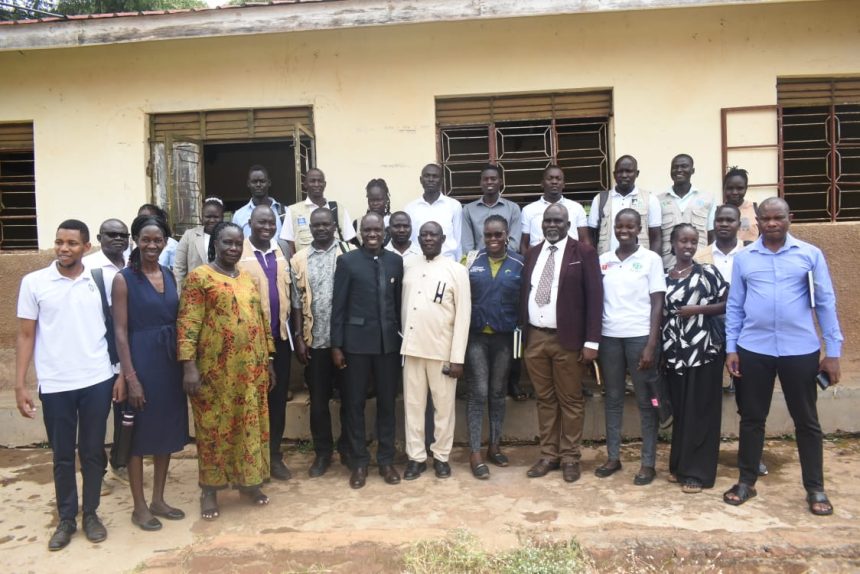
KARENGA DISTRICT — District leaders in Karenga have called for greater accountability, transparency, and coordination among non-governmental organizations (NGOs) operating in the district, urging development partners to align their interventions with local priorities and ensure equitable distribution of projects across all sub-counties.
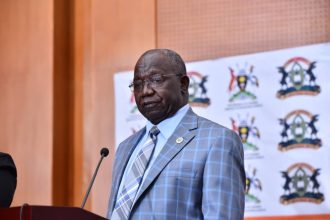
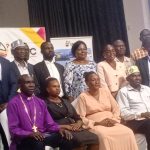
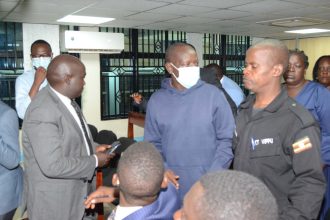
The call was made during a district NGO coordination meeting convened by Karenga Resident District Commissioner Peter Data Taban, bringing together representatives of development organizations, government officials, and technical staff to review ongoing interventions and strengthen collaboration for improved service delivery.
Addressing the meeting, RDC Taban emphasized that effective coordination remains critical to achieving sustainable development outcomes. He directed all NGOs operating in the district to maintain valid Memoranda of Understanding (MoUs), regularly engage district authorities, and submit quarterly reports detailing their activities and achievements.
The RDC further instructed that records of all partner activities be maintained in his office to facilitate monitoring, accountability, and information sharing among stakeholders.
“We must work together if we are to deliver meaningful change to our communities. Development partners are important stakeholders, but coordination and accountability are essential if we are to maximize impact and avoid duplication of efforts,” Taban said.

Chief Administrative Officer Uma Charles Okot challenged development partners to focus on implementation and results, noting that communities expect tangible improvements in their livelihoods. He emphasized the need for balanced distribution of projects across the district to ensure that all sub-counties benefit from development interventions.
“Development should be inclusive and equitable. We need partners to ensure that projects are not concentrated in a few areas while others remain underserved,” the CAO said.

District Chairperson Paul Lopeyok commended development partners for complementing government efforts but urged them to continuously align their programmes with district development priorities. He also called for regular review meetings to assess progress, identify gaps, and strengthen collaboration between government and civil society actors.
The District Internal Security Officer (DISO) emphasized the importance of timely review and renewal of Memoranda of Understanding, noting that proper documentation promotes transparency, accountability, and smooth implementation of projects.
Meanwhile, Deputy RDC Kedi Ronald Ongodia urged development partners to support key government initiatives such as the Parish Development Model (PDM) and Emyooga. He also challenged NGOs and government departments to intensify efforts aimed at ending open defecation through sanitation campaigns and community sensitization programmes.
Ongodia further stressed the importance of pilot projects that can be scaled up to benefit larger populations and reminded partners that the success and sustainability of their interventions would largely determine their continued relevance and presence in the district.
The meeting also highlighted the need for stronger collaboration between the Community-Based Services Department and NGOs to improve coordination, avoid duplication of activities, and strengthen monitoring and evaluation of community interventions.
Representatives from various organizations, including Nakere Rural Women Activists (NARWOA), MADA, GARD, Reproductive Health Uganda (RHU), AFI, ADRA Uganda, and MUCOBADI, shared updates on their ongoing programmes and reaffirmed their commitment to supporting development efforts across Karenga District.
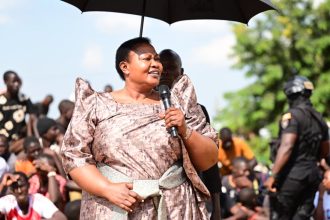
Speaking on behalf of NARWOA, Executive Director Jessica Ruth Ataa raised concerns over delays in the processing and renewal of Memoranda of Understanding, which she said can affect timely implementation of projects.
Ataa called on development partners to work as a team and proposed the formation of an NGO consortium to enhance coordination, resource mobilization, learning, and collective impact.
“We achieve more when we work together. A consortium of partners would strengthen our voice, improve coordination, and enable us to better serve the communities we are targeting,” she said.
She further emphasized the importance of women’s empowerment programmes, noting that empowering women and girls remains critical to improving household incomes, promoting gender equality, and achieving sustainable community development.
Representatives from RHU, ADRA Uganda, MUCOBADI, MADA, GARD, and AFI echoed the need for stronger partnerships, information sharing, and coordinated programming to maximize the impact of development interventions and ensure efficient utilization of resources.
The meeting concluded with a commitment from district leaders and development partners to strengthen accountability mechanisms, share quarterly progress reports, support innovative pilot projects, and work collectively toward improving the welfare of communities across Karenga District.
Participants agreed that transparency, coordination, and mutual accountability will be key to accelerating socio-economic transformation and delivering lasting benefits to the people of Karenga.